THE ADVENTURE COLLECTIVE® · Independent discovery and booking for outdoor travel

Spend an evening under Death Valley’s remarkable dark sky learning how to photograph stars, the Milky Way and long star trails. This beginner-friendly workshop combines a classroom at Furnace Creek Visitor Center with a guided field shoot at Badwater Basin.
Spend an evening under Death Valley’s remarkable dark sky learning how to photograph stars, the Milky Way and long star trails. This beginner-friendly workshop combines a classroom at Furnace Creek Visitor Center with a guided field shoot at Badwater Basin.
Book with Death Valley Natural History Association
Verified experiences and guided adventures in the surrounding area.
Operated by Death Valley Natural History Association · DEATH VALLEY, California
Death Valley’s night sky feels huge and private. This Fall’s Capturing Starlight workshop pairs a one-hour classroom at the Furnace Creek Visitor Center with a 1.5‑hour field shoot at Badwater Basin to teach beginner photographers how to record the galaxy. In the Multipurpose Room the instructor breaks down gear choices, exposure fundamentals, focusing techniques for point‑like stars and practical tips for composing in the dark, then students head out after sunset to test settings on the salt flats. Badwater Basin—North America’s lowest point—offers a literal blank slate: a hard white salt crust that stretches to the horizon and reflects starlight, making astrophotography compositions startlingly clean. The basin’s geometric salt polygons and open horizon reduce light clutter and thermal turbulence that often plagues night shooting, so you’ll see sharper stars and longer star trails without urban glow. The workshop emphasizes hands‑on learning in small groups, with the instructor circulating to help with focus, framing the Milky Way, and dialing in shutter speed, aperture and ISO for the specific night’s conditions. Practical structure matters: arrive at 2:45 PM to check in at the Visitor Center Multipurpose Room for the classroom session, then drive to the field meet-up (participants supply their own transportation) for the guided walk out onto established parking and footpaths—no off‑road travel required. DVNHA runs this program with a strong educational bent; the nonprofit also supports park services and has stepped in to staff the Furnace Creek Visitor Center during difficult periods, underscoring its role in keeping Death Valley accessible. This intro class is ideal if you bring a mirrorless or DSLR camera and tripod; you’ll learn how to focus in the dark, choose lenses, and plan shots around moon phase and ambient lighting. Because the field session happens on flat salt pans, mobility requirements are minimal, but prepare for desert temperatures that drop fast after sunset and for the reflective glare of salt around bright light sources. Why make the trip? The combination of low-elevation clarity, vast salt flats and minimal light pollution produces astrophotography results that are hard to replicate elsewhere. Beyond the technical training you’ll get a feel for reading desert night conditions and a chance to practice in one of North America’s most dramatic geologic basins. Whether you’re pursuing your first Milky Way frame or refining night techniques, this workshop turns a single evening in Death Valley into a school of stars and skill. Participants typically work in groups of ten or fewer, which creates room for one-on-one feedback and tailored troubleshooting; instructors often demonstrate focus stacking, interval shooting for star trails, and strategies for reducing sensor noise. Bring extra batteries and fresh memory cards—cold nights drain power faster than you expect, and a warm hat.
No—this workshop is designed for beginners who own a DSLR or mirrorless camera and want practical, hands-on instruction.
Check-in at 2:45 PM at the Furnace Creek Visitor Center Multipurpose Room; exact field meet-up details are provided in the confirmation email.
Participants are responsible for their own transportation to the field meet-up; all parking is in established lots and the group walks to the shooting location.
Full refunds are available up to seven days before the program; if the outdoor portion is canceled you may receive a 60% discount on the base ticket price per the organizer's policy.
There is no specified minimum age in the listing; the field portion is not wheelchair accessible and involves walking on uneven salt crust.
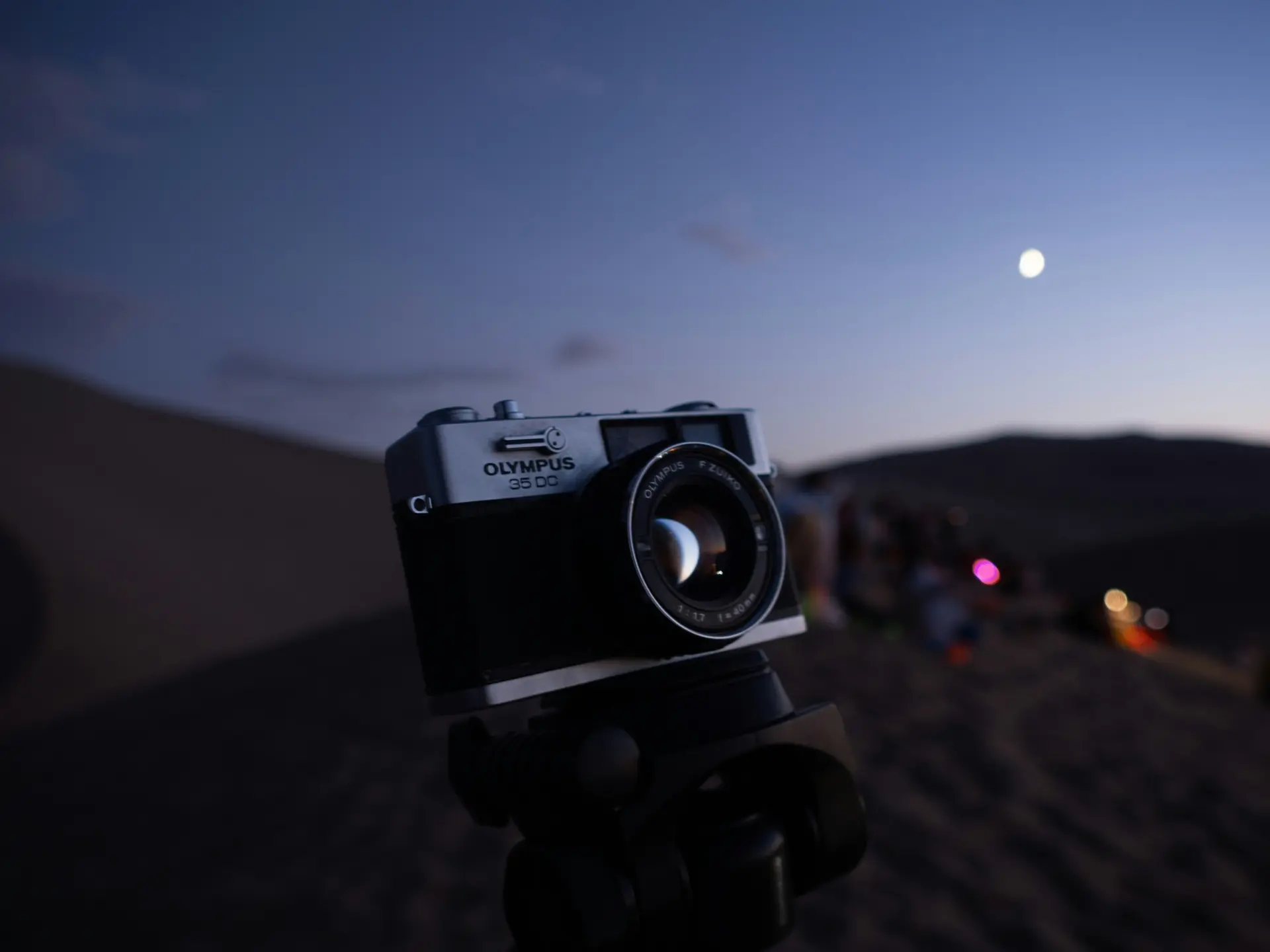
You must bring your own DSLR or mirrorless camera, at least one lens, a tripod, fully charged batteries and memory cards.
Death Valley Natural History Association supports public education and interpretation in Death Valley, California. The association offers guided experiences and educational programs that highlight the park’s natural history. Through hands-on workshops and short interpretive tours, Death Valley Natural History Association connects visitors with the valley’s landscapes, geology, and night skies. The association’s trip offerings include a multi-day photography workshop and a geology-focused field tour. Capturing Visions: A 3-Day Photography Workshop 2026 is an immersive three-day course led by expert instructors, focusing on sunrises, sunsets, and night-sky photography across iconic Death Valley locations. Geo Bites: Of Sand & Water is a concise guided tour that explores Mesquite Flat Dunes, Stovepipe Well, and other geological features while explaining the valley’s formation and surface processes. Programs emphasize accurate natural history interpretation and skill development. Instructors and guides featured in these experiences are described as experts in their fields, providing practical instruction and contextual explanation. Trips operate within Death Valley, California, and are designed for a range of participant skill levels, from beginners to experienced visitors. As a local resource for natural history education, the association provides reliable, park-focused programming that complements visitor learning. Its offerings are suitable for travelers seeking photography instruction, geology insights, or a deeper understanding of Death Valley’s environment. All descriptions reflect the association’s documented program summaries and published trip details. Information and schedules are drawn from published trip summaries and official program materials, ensuring accuracy for prospective participants planning visits or arranging educational outings throughout Death Valley park region.

Book with Death Valley Natural History Association