THE ADVENTURE COLLECTIVE® · Independent discovery and booking for outdoor travel

Drive through Mountain Pine Ridge to the monumental Maya city of Caracol, then cool off at Rio Frio Cave and Big Rock Falls. This full-day trip pairs archaeology with karst caves and a dramatic waterfall plunge pool.
Drive through Mountain Pine Ridge to the monumental Maya city of Caracol, then cool off at Rio Frio Cave and Big Rock Falls. This full-day trip pairs archaeology with karst caves and a dramatic waterfall plunge pool.
The bus eases out of San Ignacio before dawn and the road through Mountain Pine Ridge opens like a wild storyboard—pine forests give way to scarred limestone and, finally, the jungle swallowing ancient stone. You arrive at Caracol beneath a sky that feels improbably large; Caana, the “sky palace,” rises about 141 feet above the canopy and invites a climb that rewards with broad, treetop views of the Cayo lowlands.
Verified experiences and guided adventures in the surrounding area.
Operated by GoMaya Belize Adventures · San Ignacio, Cayo District
The bus eases out of San Ignacio before dawn and the road through Mountain Pine Ridge opens like a wild storyboard—pine forests give way to scarred limestone and, finally, the jungle swallowing ancient stone. You arrive at Caracol beneath a sky that feels improbably large; Caana, the “sky palace,” rises about 141 feet above the canopy and invites a climb that rewards with broad, treetop views of the Cayo lowlands.
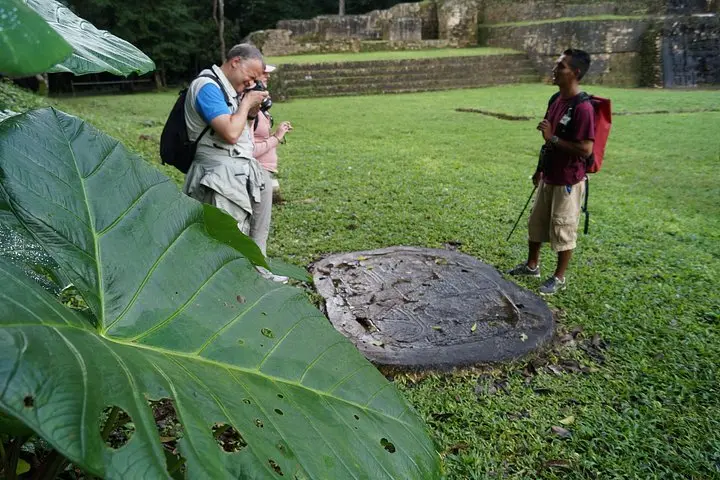
Caracol was a major Maya center from the early first millennium BCE through roughly 950–1050 AD; its plazas, stelae and palaces speak to political reach and ceremonial life. Geologically, the site sits on karst terrain—limestone bedrock pocked with caves and natural sinks—that feeds the cavern systems you’ll see later at Rio Frio. The cave’s twin 65-foot portals pour light into a vaulted chamber where stalactites hang over a stream that forms pools, while Big Rock Falls further into the reserve hurls water off 150-foot rock formations into a round plunge pool that tempts a cool dip.
Practically: plan for an active eight-hour day with some short, steep walks and uneven stone steps; the road itself can be bumpy and wildlife—tapir, peccary, even reports of jaguar—may be glimpsed from the vehicle. Bring sturdy closed-toe shoes, insect repellent, swimwear and a refillable water bottle. National park fees and lunch are typically included; confirm pickup details in San Ignacio and note a two-person minimum for bookings. Move deliberately, respect fragile archaeological features, and let the river and ruins set the pace of the day.
Expect roughly a 1.5–2 hour drive each way on a wildlife-rich road through Mountain Pine Ridge; rough stretches are common.
Yes—Caana is open to visitors and offers panoramic views, but climb carefully as steps are steep and uneven.
Swims are informal and at your own risk; guides can advise on safe spots but there are no formal lifeguards.
The tour is family-friendly but requires moderate mobility; short steep paths and uneven ground may be challenging for very young children or those with limited mobility.
GoMaya Belize Adventures operates guided outdoor trips and adventures with an emphasis on safety, stewardship, and memorable experiences.
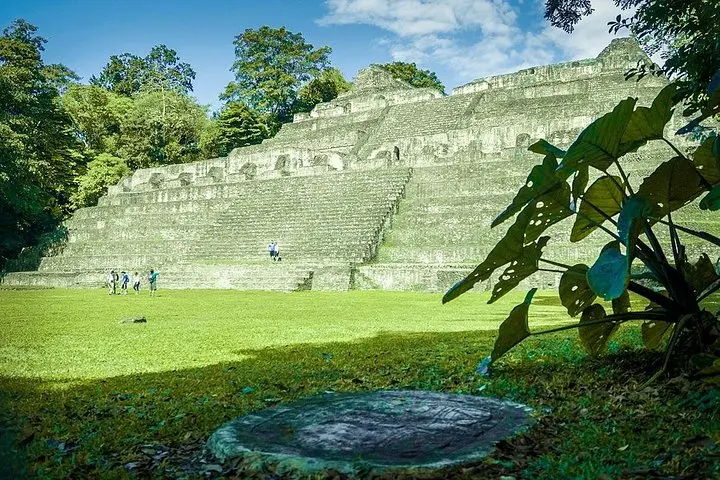
The bus eases out of San Ignacio before dawn and the road through Mountain Pine Ridge opens like a wild storyboard—pine forests give way to scarred limestone and, finally, the jungle swallowing ancient stone. You arrive at Caracol beneath a sky that feels improbably large; Caana, the “sky palace,” rises about 141 feet above the canopy and invites a climb that rewards with broad, treetop views of the Cayo lowlands.
The bus eases out of San Ignacio before dawn and the road through Mountain Pine Ridge opens like a wild storyboard—pine forests give way to scarred limestone and, finally, the jungle swallowing ancient stone. You arrive at Caracol beneath a sky that feels improbably large; Caana, the “sky palace,” rises about 141 feet above the canopy and invites a climb that rewards with broad, treetop views of the Cayo lowlands.
Caracol was a major Maya center from the early first millennium BCE through roughly 950–1050 AD; its plazas, stelae and palaces speak to political reach and ceremonial life. Geologically, the site sits on karst terrain—limestone bedrock pocked with caves and natural sinks—that feeds the cavern systems you’ll see later at Rio Frio. The cave’s twin 65-foot portals pour light into a vaulted chamber where stalactites hang over a stream that forms pools, while Big Rock Falls further into the reserve hurls water off 150-foot rock formations into a round plunge pool that tempts a cool dip.
Practically: plan for an active eight-hour day with some short, steep walks and uneven stone steps; the road itself can be bumpy and wildlife—tapir, peccary, even reports of jaguar—may be glimpsed from the vehicle. Bring sturdy closed-toe shoes, insect repellent, swimwear and a refillable water bottle. National park fees and lunch are typically included; confirm pickup details in San Ignacio and note a two-person minimum for bookings. Move deliberately, respect fragile archaeological features, and let the river and ruins set the pace of the day.