THE ADVENTURE COLLECTIVE® · Independent discovery and booking for outdoor travel

Travel back more than 4,000 years on a full-day drive from Lima to Caral and Peñico. Walk ancient plazas and terraces, learn how a coastal river valley supported one of the earliest urban societies in the Americas.
Travel back more than 4,000 years on a full-day drive from Lima to Caral and Peñico. Walk ancient plazas and terraces, learn how a coastal river valley supported one of the earliest urban societies in the Americas.
The road from Miraflores unwinds into the coastal desert and the Supe Valley opens suddenly: low, weathered pyramids rise like earth-sculpted stages against a pale sky, and the river below dares the arid plain to keep life going. A morning in this landscape feels like stepping into a human-made geography—terraces, plazas, and sunken courts laid out with intent and quiet power.
Verified experiences and guided adventures in the surrounding area.
Operated by Mullu Tours · Supe, Lima
The road from Miraflores unwinds into the coastal desert and the Supe Valley opens suddenly: low, weathered pyramids rise like earth-sculpted stages against a pale sky, and the river below dares the arid plain to keep life going. A morning in this landscape feels like stepping into a human-made geography—terraces, plazas, and sunken courts laid out with intent and quiet power.
Caral dates to around 3000 BCE, the oldest known city in the Americas, its monumental platforms and amphitheaters revealing sophisticated urban planning and ritual life long before the Andes’ later empires. Nearby Peñico, set on an alluvial spur at roughly 600 meters, expands that story—pyramids, terraces and a distinctive circular plaza point to a center that connected coastal, highland and Amazonian groups through exchange and ceremony.
Geology here is simple and telling: a narrow coastal valley cut by the Supe River, fed by mountain runoff and shaped by alluvial fans. The soil and water made agriculture possible, while the river and coast supplied marine resources—an economy that supported monumental architecture without large-scale warfare.
Expect dusty pathways, uneven stone steps and open sun. Tours typically include a guided archaeological walk at Caral and a short visit to Peñico, with a lunch stop in the valley town of Supe. Practical notes: bring 2–3 liters of water, sun protection, comfortable closed-toe shoes and small bills for market snacks. Respect the site—stay on marked routes and follow your guide’s directions; these ruins are fragile and protected by UNESCO status. Early starts beat the heat and make for clearer light on the pyramids.
Expect roughly 3.5–4 hours each way from Miraflores depending on traffic; the full tour day commonly runs about 15 hours including visits and breaks.
Caral and Peñico have uneven terrain and stone steps; the tour notes it is not recommended for travelers with serious spinal or cardiovascular conditions.
There is a visitor area and basic facilities; most tours include a lunch stop in Supe but bring snacks and cash for small local vendors.
Most organized tours include transportation and admission to Caral; confirm with the operator if admission to Peñico or extra museum access is included.
Mullu Tours operates guided outdoor trips and adventures with an emphasis on safety, stewardship, and memorable experiences.
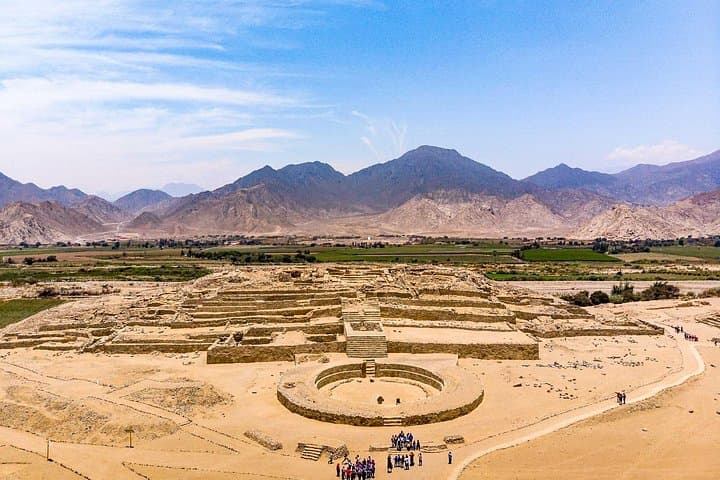

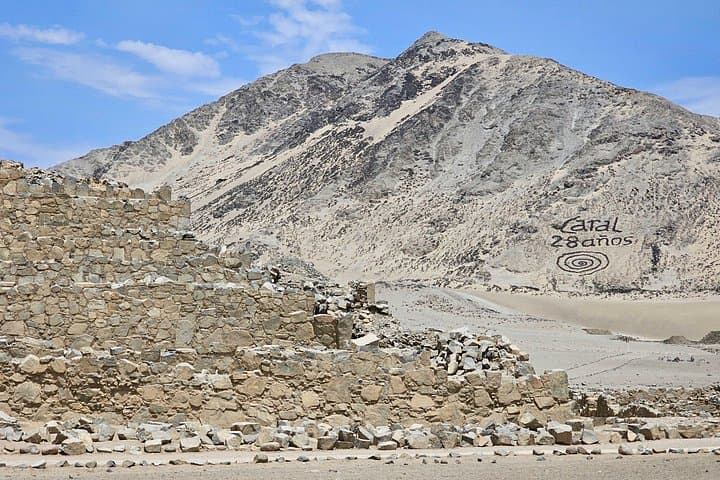
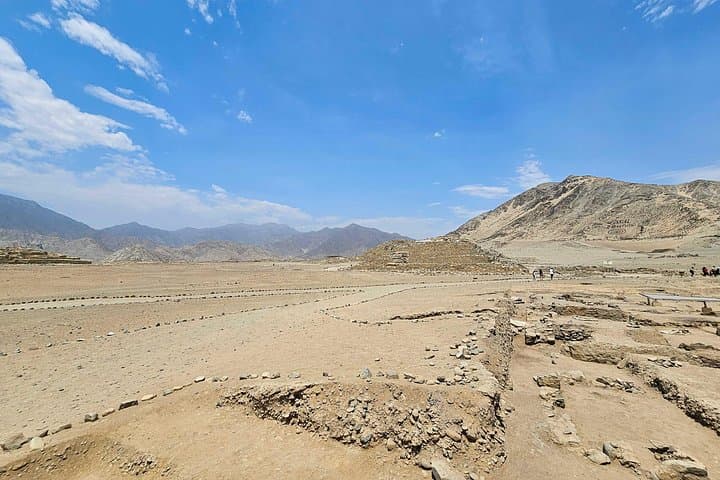
The road from Miraflores unwinds into the coastal desert and the Supe Valley opens suddenly: low, weathered pyramids rise like earth-sculpted stages against a pale sky, and the river below dares the arid plain to keep life going. A morning in this landscape feels like stepping into a human-made geography—terraces, plazas, and sunken courts laid out with intent and quiet power.
The road from Miraflores unwinds into the coastal desert and the Supe Valley opens suddenly: low, weathered pyramids rise like earth-sculpted stages against a pale sky, and the river below dares the arid plain to keep life going. A morning in this landscape feels like stepping into a human-made geography—terraces, plazas, and sunken courts laid out with intent and quiet power.
Caral dates to around 3000 BCE, the oldest known city in the Americas, its monumental platforms and amphitheaters revealing sophisticated urban planning and ritual life long before the Andes’ later empires. Nearby Peñico, set on an alluvial spur at roughly 600 meters, expands that story—pyramids, terraces and a distinctive circular plaza point to a center that connected coastal, highland and Amazonian groups through exchange and ceremony.
Geology here is simple and telling: a narrow coastal valley cut by the Supe River, fed by mountain runoff and shaped by alluvial fans. The soil and water made agriculture possible, while the river and coast supplied marine resources—an economy that supported monumental architecture without large-scale warfare.
Expect dusty pathways, uneven stone steps and open sun. Tours typically include a guided archaeological walk at Caral and a short visit to Peñico, with a lunch stop in the valley town of Supe. Practical notes: bring 2–3 liters of water, sun protection, comfortable closed-toe shoes and small bills for market snacks. Respect the site—stay on marked routes and follow your guide’s directions; these ruins are fragile and protected by UNESCO status. Early starts beat the heat and make for clearer light on the pyramids.