THE ADVENTURE COLLECTIVE® · Independent discovery and booking for outdoor travel

Edge-forest birding where Pacific dry forest meets humid rainforest — Carara National Park is a half-day, guide-led window into scarlet macaws, motmots, and tinamous. Read on for what to expect, when to go, and how to prepare for top birding views.
Edge-forest birding where Pacific dry forest meets humid rainforest — Carara National Park is a half-day, guide-led window into scarlet macaws, motmots, and tinamous. Read on for what to expect, when to go, and how to prepare for top birding views.
You step off the minivan under a canopy that changes mood with every meter — bright shafts of light punch through humid air, insects chatter, and a distant, raucous cry heralds a flash of red.
Verified experiences and guided adventures in the surrounding area.
Operated by MVP Tours · Tárcoles, Puntarenas
You step off the minivan under a canopy that changes mood with every meter — bright shafts of light punch through humid air, insects chatter, and a distant, raucous cry heralds a flash of red.
Carara sits where Pacific dry forest rubs shoulders with humid rainforest; that edge ecology concentrates species. The park gained national protection in the late 1970s to preserve its river corridors and the remaining patches of lowland rainforest that once covered the region. Geologically the ground is old volcanic sediment overlain by river deposits from the Tarcoles basin, creating a mosaic of gallery forest, secondary regrowth, and open grasslands.
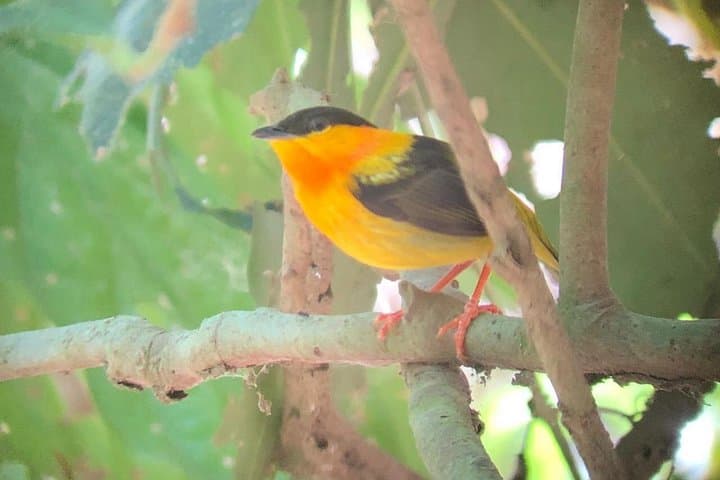
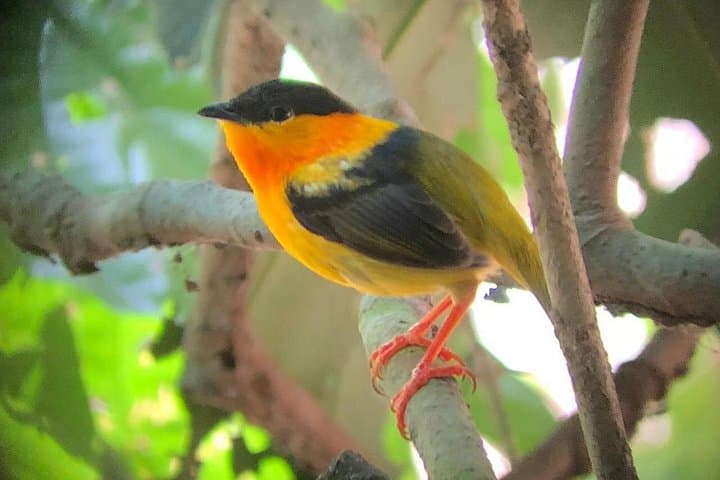
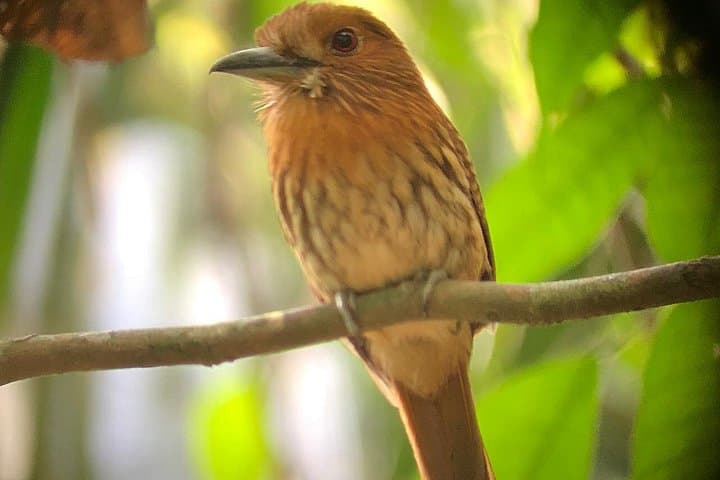
Culture here is small-town Pacific Costa Rica: riverine fishing communities, roadside fruit stalls, and guides raised on local knowledge who read bird calls like road maps. The real draw is wildlife — scarlet macaws are a headline sighting, but expect motmots, trogons, and the coiled patience of tinamous in the understory.
Practically, tours run early to catch peak activity; trails are flat but muddy after rain. Guides point out microhabitats where birds forage, and many groups combine a short Tarcoles river cruise for crocodile viewing. Wear quick-dry layers, bring binoculars and a rain shell. Hydrate before the walk, carry insect repellent, and move quietly — birding here rewards patience and slow, steady scanning. With an experienced native guide, a half-day visit (3–5 hours) delivers concentrated birding across two distinct forest types.
Most visits run 3–5 hours, typically a half-day in the morning when bird activity peaks.
Scarlet macaws are a common target and often seen, but sightings cannot be guaranteed — guides increase the odds through experience and timing.
The operator notes the area is stroller-accessible for short stretches, but uneven and muddy trail sections make a baby carrier preferable for longer walks.
Bring at least 1 liter of water and light snacks; tours often start early and facilities at trailheads are limited.
MVP Tours operates guided outdoor trips and adventures with an emphasis on safety, stewardship, and memorable experiences.

You step off the minivan under a canopy that changes mood with every meter — bright shafts of light punch through humid air, insects chatter, and a distant, raucous cry heralds a flash of red.
You step off the minivan under a canopy that changes mood with every meter — bright shafts of light punch through humid air, insects chatter, and a distant, raucous cry heralds a flash of red.
Carara sits where Pacific dry forest rubs shoulders with humid rainforest; that edge ecology concentrates species. The park gained national protection in the late 1970s to preserve its river corridors and the remaining patches of lowland rainforest that once covered the region. Geologically the ground is old volcanic sediment overlain by river deposits from the Tarcoles basin, creating a mosaic of gallery forest, secondary regrowth, and open grasslands.
Culture here is small-town Pacific Costa Rica: riverine fishing communities, roadside fruit stalls, and guides raised on local knowledge who read bird calls like road maps. The real draw is wildlife — scarlet macaws are a headline sighting, but expect motmots, trogons, and the coiled patience of tinamous in the understory.
Practically, tours run early to catch peak activity; trails are flat but muddy after rain. Guides point out microhabitats where birds forage, and many groups combine a short Tarcoles river cruise for crocodile viewing. Wear quick-dry layers, bring binoculars and a rain shell. Hydrate before the walk, carry insect repellent, and move quietly — birding here rewards patience and slow, steady scanning. With an experienced native guide, a half-day visit (3–5 hours) delivers concentrated birding across two distinct forest types.