THE ADVENTURE COLLECTIVE® · Independent discovery and booking for outdoor travel

Walk under a canopy where scarlet macaws roost and monkeys pass above. This guided tour pairs a local expert and a telescope to turn the forest’s dappled chaos into memorable wildlife encounters.
Walk under a canopy where scarlet macaws roost and monkeys pass above. This guided tour pairs a local expert and a telescope to turn the forest’s dappled chaos into memorable wildlife encounters.
You step off the coastal highway and into heat that smells of wet earth and green leaves; the forest closes in, vines reaching like curious hands and the distant cry of a scarlet macaw slicing the air. A certified guide leads the path—slow, deliberate—stopping where the canopy opens so a professional telescope can lift a distant crown of red and blue into sharp focus.
Verified experiences and guided adventures in the surrounding area.
Operated by Birdwatching and Nature Tours in Carara · Tárcoles, Puntarenas
You step off the coastal highway and into heat that smells of wet earth and green leaves; the forest closes in, vines reaching like curious hands and the distant cry of a scarlet macaw slicing the air. A certified guide leads the path—slow, deliberate—stopping where the canopy opens so a professional telescope can lift a distant crown of red and blue into sharp focus.
Carara sits on the ecological edge between Pacific dry forest and humid tropical rainforest, a crossroads that concentrates biodiversity. Geologically the park is low and rolling, carved by the Tárcoles watershed; culturally it sits near small fishing and farming communities whose lives still pulse with the rhythm of tide and season. The park is famous as one of Costa Rica’s major nesting sites for scarlet macaws and supports troops of howler and white-faced capuchin monkeys, sloths, and an array of reptiles.
Trails are mostly flat with some boardwalks and muddy sections after rain—expect 2–3 hours on the trail covering roughly 3–5 km at an easy pace. Wildlife sighting windows are early morning or late afternoon; the guide’s knowledge and telescope dramatically raise your chances of close encounters. Bring insect protection, a waterproof layer, and a camera with a zoom lens. Hydrate and move quietly—animals respond to patience.
This is a practical, wildlife-focused walk: slow observation, low exertion, high payoff. If you need a different start time or transport, arrange ahead—operators commonly offer flexible pick-ups to match birding schedules.
The guided experience runs about 2–3 hours on the park’s trail network—enough time for focused wildlife viewing without strenuous hiking.
The tour is rated easy and suitable for most fitness levels; some sections have boardwalks and mild uneven terrain—ask the operator about wheelchair-accessible options in advance.
Carara is a prime macaw nesting area and sightings are common, but wildlife can never be guaranteed; the guide and telescope improve your odds significantly.
Yes—operators commonly offer flexible pick-ups or adjusted start times if contacted before your tour to match birding windows.
Birdwatching and Nature Tours in Carara operates guided outdoor trips and adventures with an emphasis on safety, stewardship, and memorable experiences.
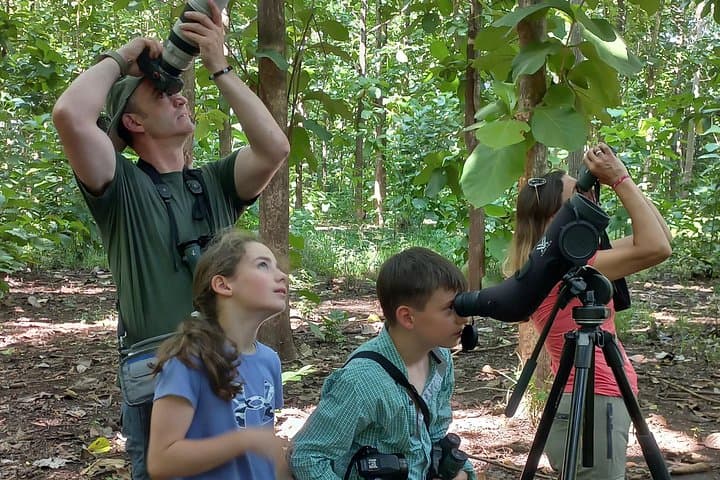
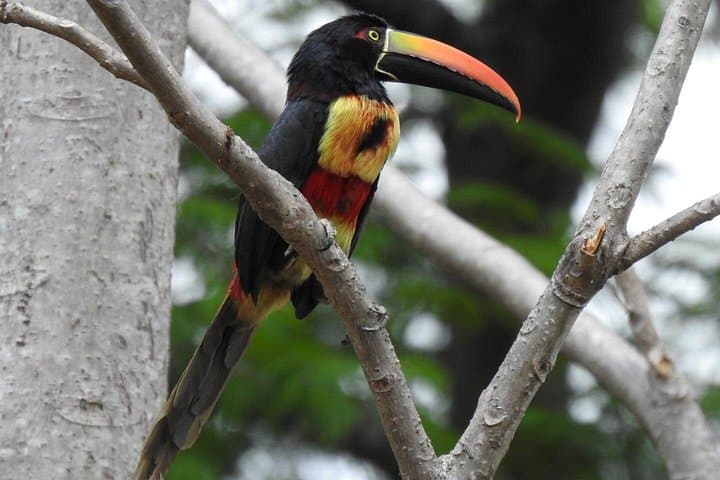
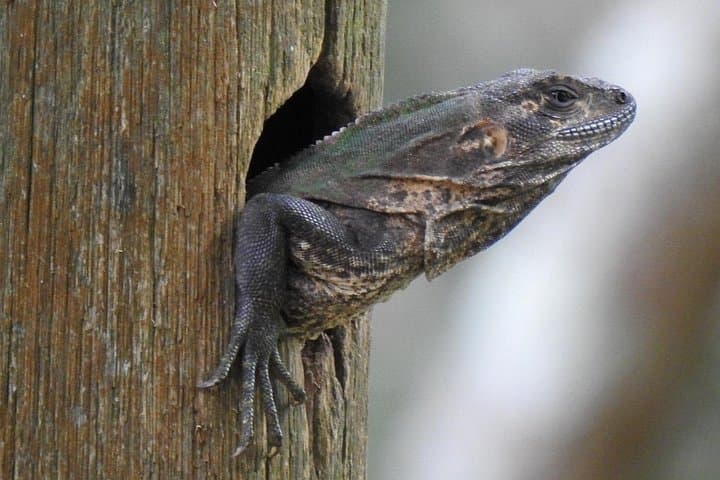
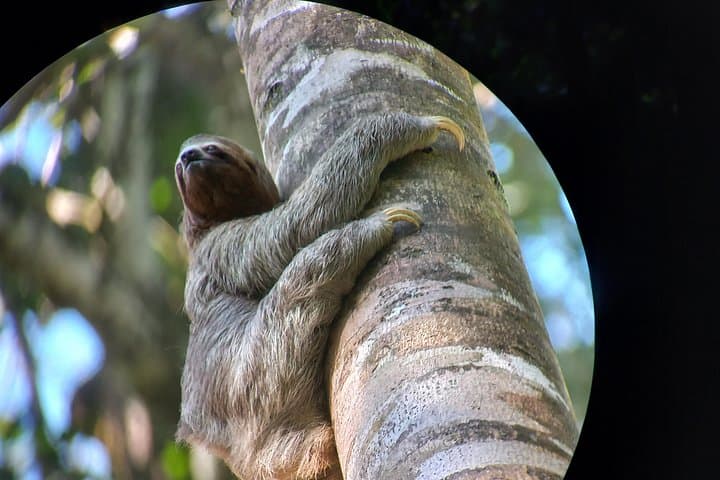
You step off the coastal highway and into heat that smells of wet earth and green leaves; the forest closes in, vines reaching like curious hands and the distant cry of a scarlet macaw slicing the air. A certified guide leads the path—slow, deliberate—stopping where the canopy opens so a professional telescope can lift a distant crown of red and blue into sharp focus.
You step off the coastal highway and into heat that smells of wet earth and green leaves; the forest closes in, vines reaching like curious hands and the distant cry of a scarlet macaw slicing the air. A certified guide leads the path—slow, deliberate—stopping where the canopy opens so a professional telescope can lift a distant crown of red and blue into sharp focus.
Carara sits on the ecological edge between Pacific dry forest and humid tropical rainforest, a crossroads that concentrates biodiversity. Geologically the park is low and rolling, carved by the Tárcoles watershed; culturally it sits near small fishing and farming communities whose lives still pulse with the rhythm of tide and season. The park is famous as one of Costa Rica’s major nesting sites for scarlet macaws and supports troops of howler and white-faced capuchin monkeys, sloths, and an array of reptiles.
Trails are mostly flat with some boardwalks and muddy sections after rain—expect 2–3 hours on the trail covering roughly 3–5 km at an easy pace. Wildlife sighting windows are early morning or late afternoon; the guide’s knowledge and telescope dramatically raise your chances of close encounters. Bring insect protection, a waterproof layer, and a camera with a zoom lens. Hydrate and move quietly—animals respond to patience.
This is a practical, wildlife-focused walk: slow observation, low exertion, high payoff. If you need a different start time or transport, arrange ahead—operators commonly offer flexible pick-ups to match birding schedules.