THE ADVENTURE COLLECTIVE® · Independent discovery and booking for outdoor travel

A short, wildlife-rich shore excursion from Puntarenas that pairs a forest loop with crocodile viewing along the River Tárcoles. Ideal for birders chasing scarlet macaws and travelers wanting a compact taste of Costa Rica’s coastal ecosystems.
A short, wildlife-rich shore excursion from Puntarenas that pairs a forest loop with crocodile viewing along the River Tárcoles. Ideal for birders chasing scarlet macaws and travelers wanting a compact taste of Costa Rica’s coastal ecosystems.
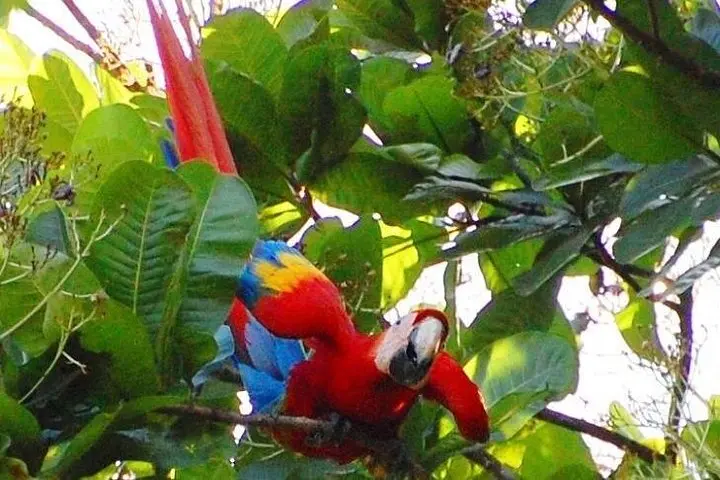
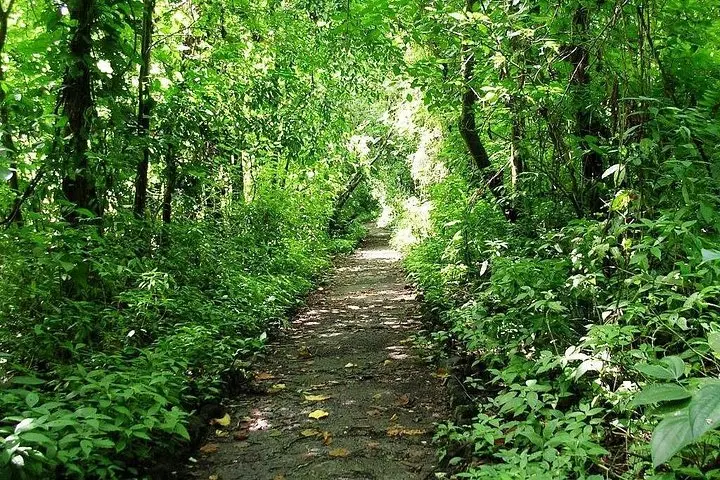
You step off the shuttle near the park gate and the air changes: humid, green, and full of interrupted calls. A short, slightly hilly loop trail leads into a forest that opens in pockets to the River Tárcoles, where crocodiles sun along the banks and scarlet macaws wheel in noisy pairs above the canopy. Mangrove flats and tidal channels sit where river meets Pacific, creating a corridor of habitats in a compact area.
Verified experiences and guided adventures in the surrounding area.
Operated by Top Private Tours · Puntarenas, Puntarenas Province
You step off the shuttle near the park gate and the air changes: humid, green, and full of interrupted calls. A short, slightly hilly loop trail leads into a forest that opens in pockets to the River Tárcoles, where crocodiles sun along the banks and scarlet macaws wheel in noisy pairs above the canopy. Mangrove flats and tidal channels sit where river meets Pacific, creating a corridor of habitats in a compact area.
Carara sits at the ecological crossroads between dry Pacific lowlands and humid rainforest, which explains its unusual mix of species — the scarlet macaw’s bright sweep is one of the park’s signature sights. Geologically the area is coastal plain cut by rivers and estuaries; soils and seasonal flooding shape alternating forest and mangrove zones. Locally, small fishing communities and roadside markets reflect a coastal culture built around the sea and riverine resources.
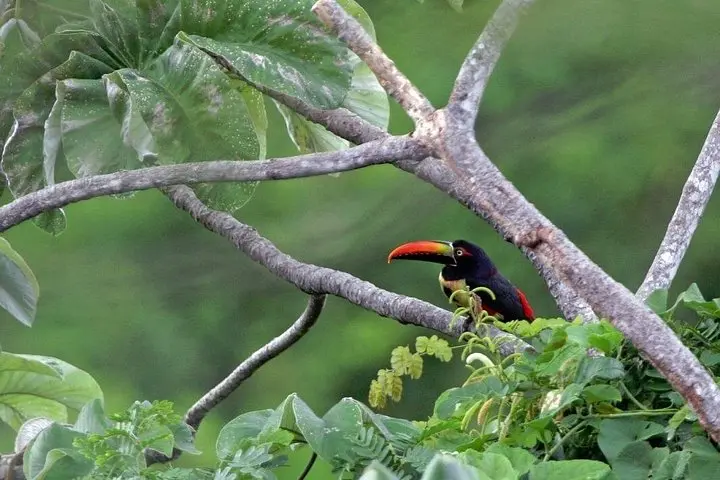
Expect a guided walk of about 2 km on packed dirt and service roads with ~50 m of modest elevation change. Trails are shaded but can be muddy after rain. Wildlife viewing is highest in the morning; guides use quiet observation and knowledge of nesting and feeding patterns to find macaws, toucans, and monkeys.
Practical notes: bring binoculars, a lightweight rain jacket, and at least 1.5 liters of water. Sturdy trail shoes with good grip handle mud and roots. If arriving by cruise ship, confirm your docking and re-boarding times at booking to ensure a smooth private transfer. Timing your visit for early morning or late afternoon increases both bird activity and cooler temperatures.
The guided portion is a short loop plus riverside walking—roughly 2 km of trails and service road walking, typically completed within the 5-hour shore excursion including transfers.
Carara is one of Costa Rica’s best places to see scarlet macaws; sightings are common, especially during morning feedings, though wildlife sightings can’t be guaranteed.
Yes—this private shore excursion offers port pickup and drop-off, but cruise passengers must provide ship and docking details at booking to coordinate timing.
American crocodiles are visible from safe river viewpoints and roads; guides will keep you on secure viewing areas—do not approach the water’s edge.
Top Private Tours operates guided outdoor trips and adventures with an emphasis on safety, stewardship, and memorable experiences.
You step off the shuttle near the park gate and the air changes: humid, green, and full of interrupted calls. A short, slightly hilly loop trail leads into a forest that opens in pockets to the River Tárcoles, where crocodiles sun along the banks and scarlet macaws wheel in noisy pairs above the canopy. Mangrove flats and tidal channels sit where river meets Pacific, creating a corridor of habitats in a compact area.
You step off the shuttle near the park gate and the air changes: humid, green, and full of interrupted calls. A short, slightly hilly loop trail leads into a forest that opens in pockets to the River Tárcoles, where crocodiles sun along the banks and scarlet macaws wheel in noisy pairs above the canopy. Mangrove flats and tidal channels sit where river meets Pacific, creating a corridor of habitats in a compact area.
Carara sits at the ecological crossroads between dry Pacific lowlands and humid rainforest, which explains its unusual mix of species — the scarlet macaw’s bright sweep is one of the park’s signature sights. Geologically the area is coastal plain cut by rivers and estuaries; soils and seasonal flooding shape alternating forest and mangrove zones. Locally, small fishing communities and roadside markets reflect a coastal culture built around the sea and riverine resources.
Expect a guided walk of about 2 km on packed dirt and service roads with ~50 m of modest elevation change. Trails are shaded but can be muddy after rain. Wildlife viewing is highest in the morning; guides use quiet observation and knowledge of nesting and feeding patterns to find macaws, toucans, and monkeys.
Practical notes: bring binoculars, a lightweight rain jacket, and at least 1.5 liters of water. Sturdy trail shoes with good grip handle mud and roots. If arriving by cruise ship, confirm your docking and re-boarding times at booking to ensure a smooth private transfer. Timing your visit for early morning or late afternoon increases both bird activity and cooler temperatures.