
Carcar South Countryside Tour: Heritage, Food & Carabao Cart Ride in Cebu
Explore Carcar’s Spanish-era streets, taste famed lechon and ampao, and ride a traditional carabao cart on this half-day southern Cebu excursion. Expect hands-on weaving, market flavors, and accessible walks through a town proud of its heritage.
An Adventure In Cebu City.
Explore Carcar’s Spanish-era streets, taste famed lechon and ampao, and ride a traditional carabao cart on this half-day southern Cebu excursion. Expect hands-on weaving, market flavors, and accessible walks through a town proud of its heritage.
Read the full experience
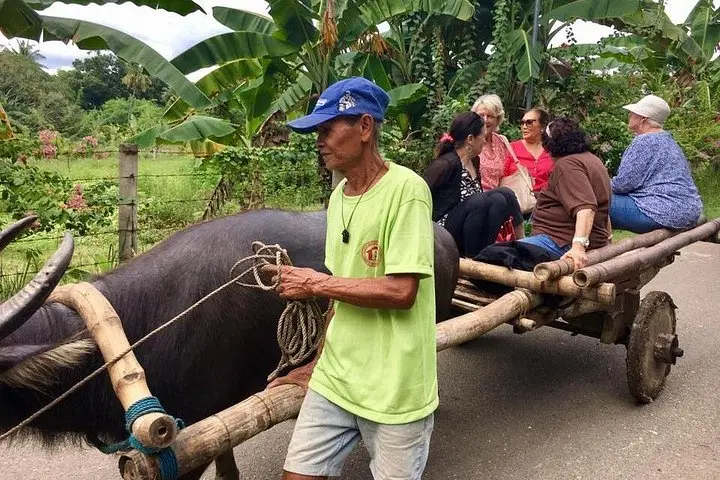
You step off the air-conditioned van onto a street where stone houses watch the sun slide toward the rooflines, and the scent of roasting pork threads through the air. A wooden cart pulled by a patient carabao waits, wheels creaking like an old clock; vendors call out for ampao and bucarillo, and the town’s church bell marks the rhythm of a slow, culinary afternoon.
You step off the air-conditioned van onto a street where stone houses watch the sun slide toward the rooflines, and the scent of roasting pork threads through the air. A wooden cart pulled by a patient carabao waits, wheels creaking like an old clock; vendors call out for ampao and bucarillo, and the town’s church bell marks the rhythm of a slow, culinary afternoon.
Carcar earned its reputation during the Spanish colonial period, and St. Catherine of Alexandria Church and nearby stone homes preserve that layered history in coral-stone masonry and wooden balconies. The town sits on the southern plains of Cebu, where coastal limestone gives way to low hills and rice paddies—geology that shaped local building materials and farming practices. Culture here centers on food and craft: basket-weaving traditions, small-scale bakeries, and roadside lechon that draws families from across the island.
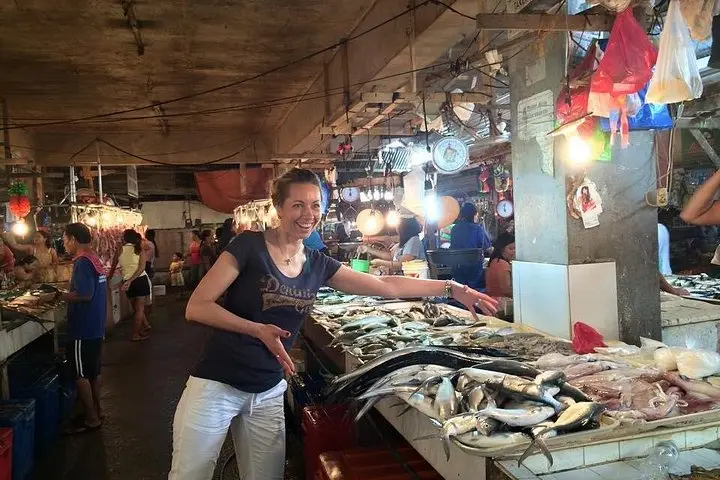
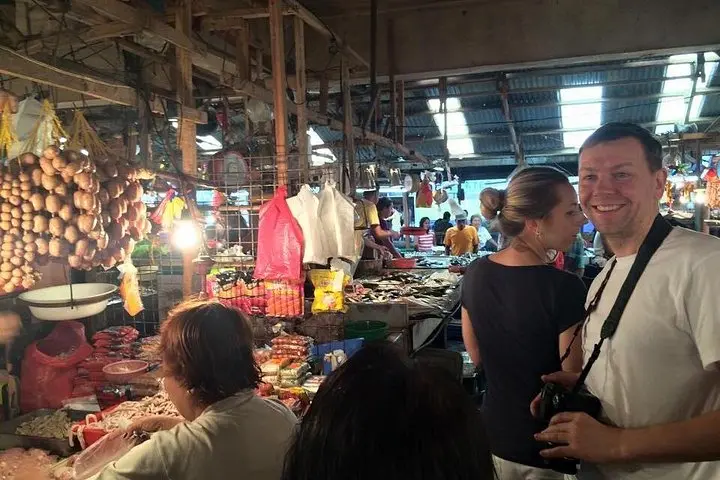
On a half-day tour you’ll move between sensory highlights and hands-on moments—riding a carabao cart, sampling coconut wine, and weaving a simple basket under a local artisan’s eye. Expect short walks on paved streets and uneven stone paths, plenty of food stops, and photo-friendly architecture.
Practical notes: wear comfortable walking shoes, bring sun protection and cash for street food and small purchases, and plan for a relaxed pace—this is cultural immersion more than a strenuous trek. Morning or late-afternoon departures dodge the hottest sun and give the best light for photos. Respect private properties and fragile heritage structures; your choices help keep Carcar’s traditions alive for the next traveler.
Frequently asked questions
Yes—most bookings include pickup from central Cebu City hotels; confirm your exact pickup point when booking.
Lunch and bottled water are included, but bring cash for extra snacks and purchases at markets.
The tour is family-friendly and stroller-accessible in many areas, though some stone streets and cart rides may require lifting a stroller briefly.
Personal cameras are welcome; drones may be restricted near heritage sites and crowded markets—check local regulations and the guide’s instructions.
About This Experience
DIVAISHNAVI INTL. INC. operates guided outdoor trips and adventures with an emphasis on safety, stewardship, and memorable experiences.
Adventure tips
Recommended gear
- Comfortable walking shoes: Closed-toe shoes handle cobbled streets and short uneven sections.
- Reusable water bottle: Stay hydrated between bottled-water handouts and food stops.
- Sun hat and sunglasses: Useful for midday sun during outdoor market visits and cart rides.
- Small local currency: Many stalls accept cash only for snacks, souvenirs and tips.
Photos of the experience
Related adventures & guides
Read the full experience
You step off the air-conditioned van onto a street where stone houses watch the sun slide toward the rooflines, and the scent of roasting pork threads through the air. A wooden cart pulled by a patient carabao waits, wheels creaking like an old clock; vendors call out for ampao and bucarillo, and the town’s church bell marks the rhythm of a slow, culinary afternoon.
You step off the air-conditioned van onto a street where stone houses watch the sun slide toward the rooflines, and the scent of roasting pork threads through the air. A wooden cart pulled by a patient carabao waits, wheels creaking like an old clock; vendors call out for ampao and bucarillo, and the town’s church bell marks the rhythm of a slow, culinary afternoon.
Carcar earned its reputation during the Spanish colonial period, and St. Catherine of Alexandria Church and nearby stone homes preserve that layered history in coral-stone masonry and wooden balconies. The town sits on the southern plains of Cebu, where coastal limestone gives way to low hills and rice paddies—geology that shaped local building materials and farming practices. Culture here centers on food and craft: basket-weaving traditions, small-scale bakeries, and roadside lechon that draws families from across the island.
On a half-day tour you’ll move between sensory highlights and hands-on moments—riding a carabao cart, sampling coconut wine, and weaving a simple basket under a local artisan’s eye. Expect short walks on paved streets and uneven stone paths, plenty of food stops, and photo-friendly architecture.
Practical notes: wear comfortable walking shoes, bring sun protection and cash for street food and small purchases, and plan for a relaxed pace—this is cultural immersion more than a strenuous trek. Morning or late-afternoon departures dodge the hottest sun and give the best light for photos. Respect private properties and fragile heritage structures; your choices help keep Carcar’s traditions alive for the next traveler.
Make a day of it nearby.
Verified experiences and guided adventures in the surrounding area.