THE ADVENTURE COLLECTIVE® · Independent discovery and booking for outdoor travel

Explore Cardiff’s shadowed corners on a two-hour private walking tour that pairs castle façades and market halls with stories of executions, disease, and slum life. Ideal for history buffs and curious travelers wanting a frank, walkable look at the city’s overlooked past.
Explore Cardiff’s shadowed corners on a two-hour private walking tour that pairs castle façades and market halls with stories of executions, disease, and slum life. Ideal for history buffs and curious travelers wanting a frank, walkable look at the city’s overlooked past.
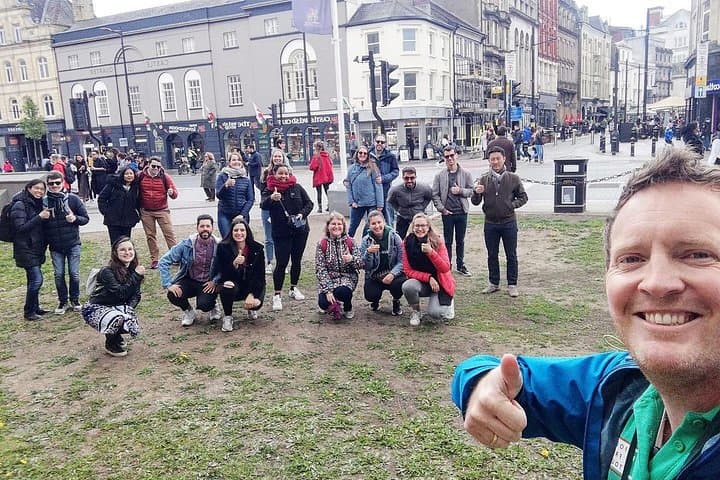
The gaslight glow of St Mary Street feels different here—less a boulevard than a ledger of lives. On this two-hour private walk the city’s polished shopfronts give way to alleyways where night and history meet: a market that once echoed with shouting vendors now murmurs with older stories; a department store sits over a site once used for public punishment.
Verified experiences and guided adventures in the surrounding area.
Operated by Fogo's Free Cardiff Walking Tours · Cardiff, Wales
The gaslight glow of St Mary Street feels different here—less a boulevard than a ledger of lives. On this two-hour private walk the city’s polished shopfronts give way to alleyways where night and history meet: a market that once echoed with shouting vendors now murmurs with older stories; a department store sits over a site once used for public punishment.
Cardiff’s present was built on coal money and marshland. The Bute family shaped the skyline while the docks turned South Wales into an industrial powerhouse; under that prosperity lay crowded courts, disease, and nocturnal economies. The city’s geology—reclaimed tidal flats at the mouths of the Taff and Ely—helped the docks grow, and its Victorian expansion concentrated both wealth and poverty into a compact center.
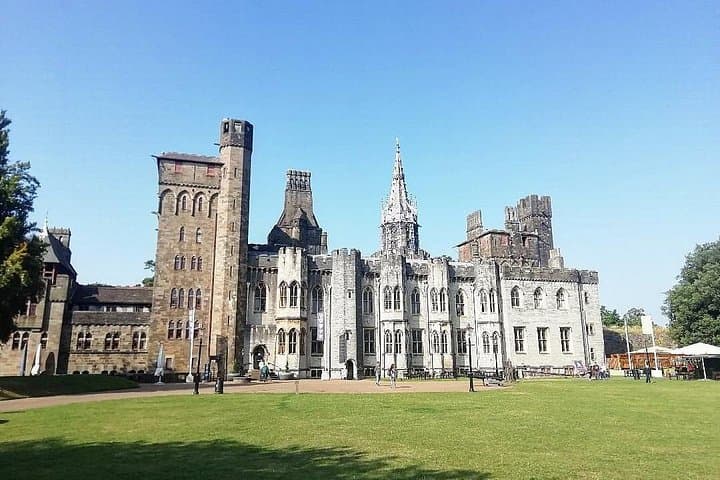
Culturally the tour crosses living landmarks: Cardiff Castle’s battlements, Womanby Street’s medieval name, and the iron-and-glass market halls. Guides draw out social context—immigration, penal practices, and ecclesiastical histories—without sensationalizing loss.
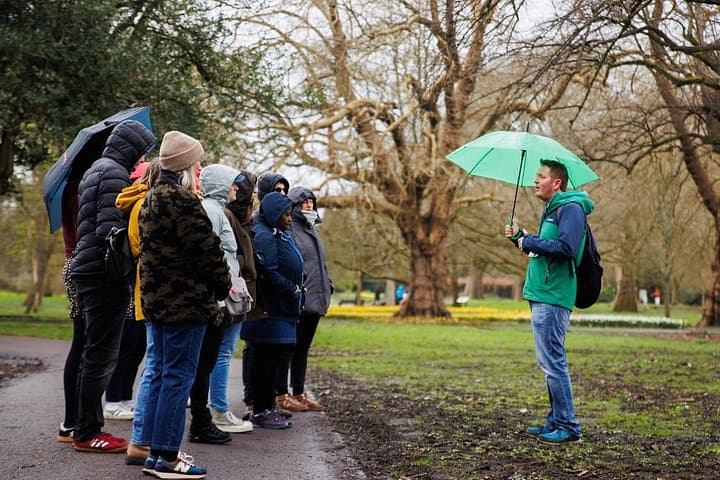
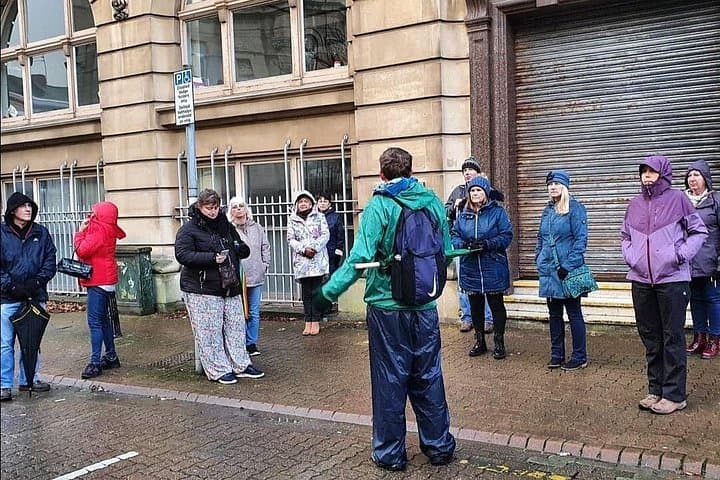
Practical guidance: expect paved, largely flat streets and roughly 2–3 km of walking spread over two hours with several 10–30 minute stops. The route is wheelchair accessible, but cobbles and narrow lanes can feel uneven. Bring a rain layer, comfortable shoes, and a charged phone for photos and map apps. Tours are private and available in central Cardiff; book ahead (full refund if cancelled 24+ hours before). Evening walks add atmosphere but consider daylight if you prefer clearer views of plaques and architecture.
Yes—the route is described as wheelchair accessible, though a few narrow or cobbled stretches may be present; contact the operator for specific mobility needs.
Material includes references to executions, disease and slums; younger children may find topics distressing—parents should judge suitability.
Evening tours heighten atmosphere, but daytime departures offer clearer viewing of plaques and architectural details; choose based on preference for mood versus visibility.
Expect about 2–3 km (1.2–1.9 miles) over two hours on mostly flat, paved streets—low physical demand but several standing stops.
Fogo's Free Cardiff Walking Tours operates guided outdoor trips and adventures with an emphasis on safety, stewardship, and memorable experiences.
The gaslight glow of St Mary Street feels different here—less a boulevard than a ledger of lives. On this two-hour private walk the city’s polished shopfronts give way to alleyways where night and history meet: a market that once echoed with shouting vendors now murmurs with older stories; a department store sits over a site once used for public punishment.
The gaslight glow of St Mary Street feels different here—less a boulevard than a ledger of lives. On this two-hour private walk the city’s polished shopfronts give way to alleyways where night and history meet: a market that once echoed with shouting vendors now murmurs with older stories; a department store sits over a site once used for public punishment.
Cardiff’s present was built on coal money and marshland. The Bute family shaped the skyline while the docks turned South Wales into an industrial powerhouse; under that prosperity lay crowded courts, disease, and nocturnal economies. The city’s geology—reclaimed tidal flats at the mouths of the Taff and Ely—helped the docks grow, and its Victorian expansion concentrated both wealth and poverty into a compact center.
Culturally the tour crosses living landmarks: Cardiff Castle’s battlements, Womanby Street’s medieval name, and the iron-and-glass market halls. Guides draw out social context—immigration, penal practices, and ecclesiastical histories—without sensationalizing loss.
Practical guidance: expect paved, largely flat streets and roughly 2–3 km of walking spread over two hours with several 10–30 minute stops. The route is wheelchair accessible, but cobbles and narrow lanes can feel uneven. Bring a rain layer, comfortable shoes, and a charged phone for photos and map apps. Tours are private and available in central Cardiff; book ahead (full refund if cancelled 24+ hours before). Evening walks add atmosphere but consider daylight if you prefer clearer views of plaques and architecture.