THE ADVENTURE COLLECTIVE® · Independent discovery and booking for outdoor travel

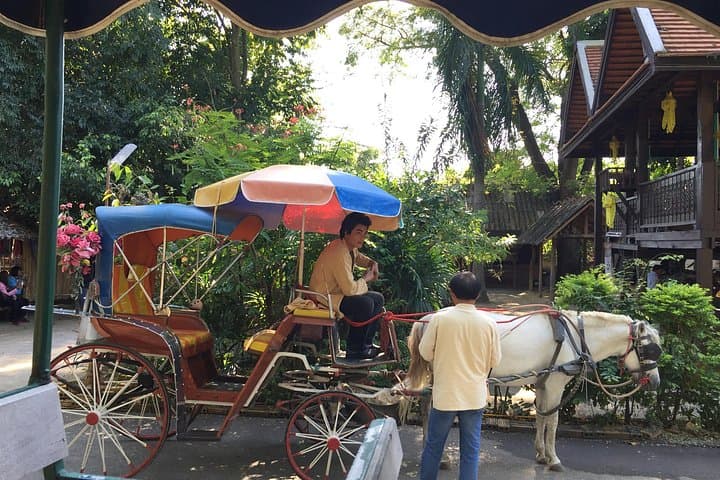
Ride a private horse carriage into Wiang Kumkam’s half-buried temples and riverside ruins. This 3–4 hour tour blends quiet archaeology with rural Chiang Mai landscapes—easy walking, big history.
Ride a private horse carriage into Wiang Kumkam’s half-buried temples and riverside ruins. This 3–4 hour tour blends quiet archaeology with rural Chiang Mai landscapes—easy walking, big history.
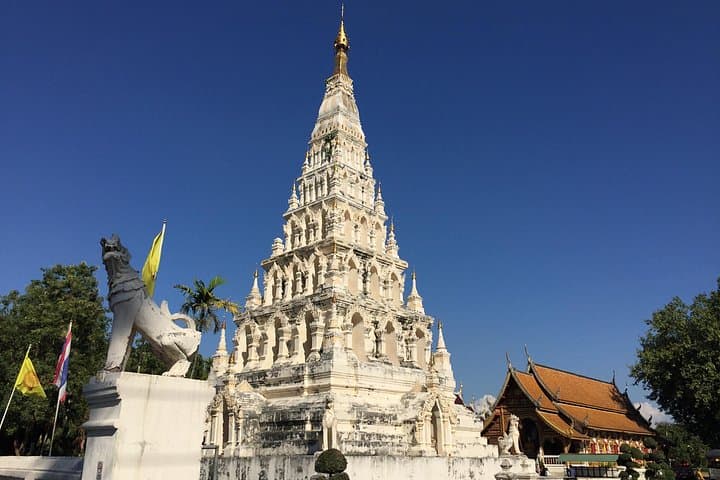
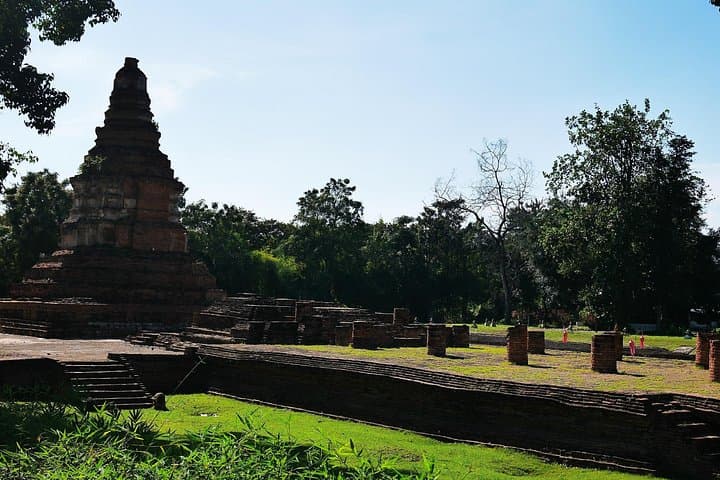
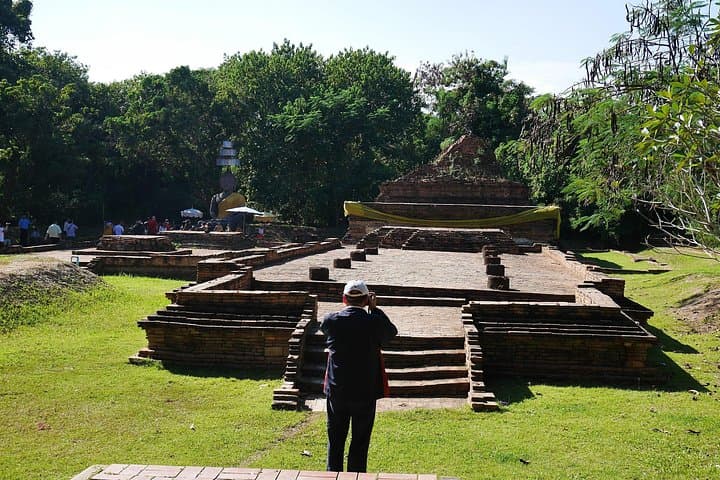
You step off the carriage onto sun-warmed clay, the Ping River murmuring close by as teak trees shade a line of half-buried stupas. The slow clop of hooves sets the rhythm; the ruins rise and fall like a city remembering itself, bricks and stucco telling stories that water almost erased.
Verified experiences and guided adventures in the surrounding area.
Operated by LJ Tour Co.LTD. · Chiang Mai, Chiang Mai Province
You step off the carriage onto sun-warmed clay, the Ping River murmuring close by as teak trees shade a line of half-buried stupas. The slow clop of hooves sets the rhythm; the ruins rise and fall like a city remembering itself, bricks and stucco telling stories that water almost erased.
Wiang Kumkam is an early settlement on the floodplain south of modern Chiang Mai, uncovered only in the 1980s after centuries underwater. Founded by Mon settlers as a satellite to Haripunchai, the site reveals over 40 structures—chedis, ordination halls and remnants of wooden buildings—offering a compact window into northern Thailand’s shifting cityscape and river-driven geology. The Ping River still nudges at the site, reminding you how water shaped settlement patterns here.
Local culture threads through the visit: village caretakers maintain small shrines, and modest temple etiquette is expected. The ride along old tracks gives a sense of rural Chiang Mai’s daily pace—farm fields, riverside markets and temple caretakers tending mossed brick.
Practical guidance: the private carriage tour runs about 3–4 hours; expect light walking on uneven, often muddy ground. Bring sun protection and water, wear closed shoes for uneven paths, and carry small change for temple donations or local vendors. Photography is permitted at most spots but respect worshippers. Early morning or late afternoon visits are cooler and yield softer light for photos. The route is low-effort physically but rich in context—ideal for travelers who want history and landscape without a strenuous hike.
The private carriage tour runs about 3–4 hours total, including transport and time at the ruins.
Short sections are stroller-accessible and the tour notes indicate infants can be accommodated, but some uneven ground may require carrying a child.
Admission to the archaeological area is included in the tour price; small temple donations or purchases are extra.
The operator advises the tour is not recommended for travelers with poor cardiovascular health due to heat and potential exertion.
LJ Tour Co.LTD. operates guided outdoor trips and adventures with an emphasis on safety, stewardship, and memorable experiences.
You step off the carriage onto sun-warmed clay, the Ping River murmuring close by as teak trees shade a line of half-buried stupas. The slow clop of hooves sets the rhythm; the ruins rise and fall like a city remembering itself, bricks and stucco telling stories that water almost erased.
You step off the carriage onto sun-warmed clay, the Ping River murmuring close by as teak trees shade a line of half-buried stupas. The slow clop of hooves sets the rhythm; the ruins rise and fall like a city remembering itself, bricks and stucco telling stories that water almost erased.
Wiang Kumkam is an early settlement on the floodplain south of modern Chiang Mai, uncovered only in the 1980s after centuries underwater. Founded by Mon settlers as a satellite to Haripunchai, the site reveals over 40 structures—chedis, ordination halls and remnants of wooden buildings—offering a compact window into northern Thailand’s shifting cityscape and river-driven geology. The Ping River still nudges at the site, reminding you how water shaped settlement patterns here.
Local culture threads through the visit: village caretakers maintain small shrines, and modest temple etiquette is expected. The ride along old tracks gives a sense of rural Chiang Mai’s daily pace—farm fields, riverside markets and temple caretakers tending mossed brick.
Practical guidance: the private carriage tour runs about 3–4 hours; expect light walking on uneven, often muddy ground. Bring sun protection and water, wear closed shoes for uneven paths, and carry small change for temple donations or local vendors. Photography is permitted at most spots but respect worshippers. Early morning or late afternoon visits are cooler and yield softer light for photos. The route is low-effort physically but rich in context—ideal for travelers who want history and landscape without a strenuous hike.