THE ADVENTURE COLLECTIVE® · Independent discovery and booking for outdoor travel

Head offshore from Cartagena for two morning dives over reefs and wrecks around Barú and Salmedina. This PADI-resort departure favors long bottom times, strong visibility and photo-friendly marine life—ideal for certified divers who want organized, easy logistics.
Head offshore from Cartagena for two morning dives over reefs and wrecks around Barú and Salmedina. This PADI-resort departure favors long bottom times, strong visibility and photo-friendly marine life—ideal for certified divers who want organized, easy logistics.
The boat slips away from Cartagena’s harbor at dawn and the city’s heat loosens its grip. Salt-slick air and the creak of rigging set the pace as you cross turquoise lanes toward Barú or the Salmedina reefs. On the surface, the sea looks calm; below, coral gardens and wrecks wait, the current nudging you toward deeper color and life.
Verified experiences and guided adventures in the surrounding area.
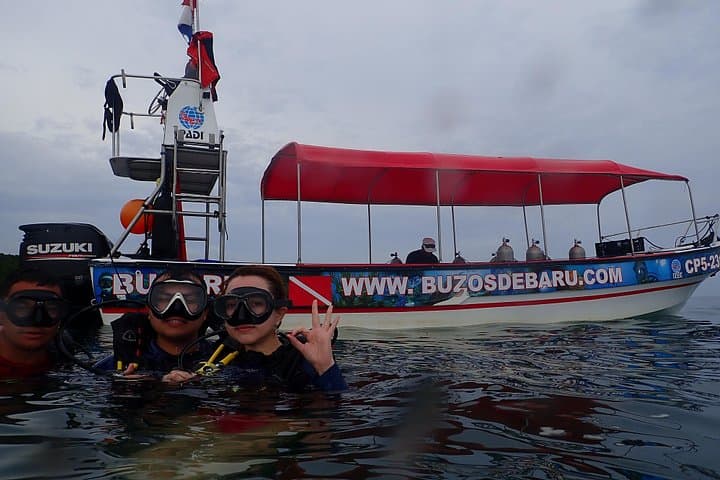
Operated by Buzos de Baru · Cartagena, Bolívar
The boat slips away from Cartagena’s harbor at dawn and the city’s heat loosens its grip. Salt-slick air and the creak of rigging set the pace as you cross turquoise lanes toward Barú or the Salmedina reefs. On the surface, the sea looks calm; below, coral gardens and wrecks wait, the current nudging you toward deeper color and life.
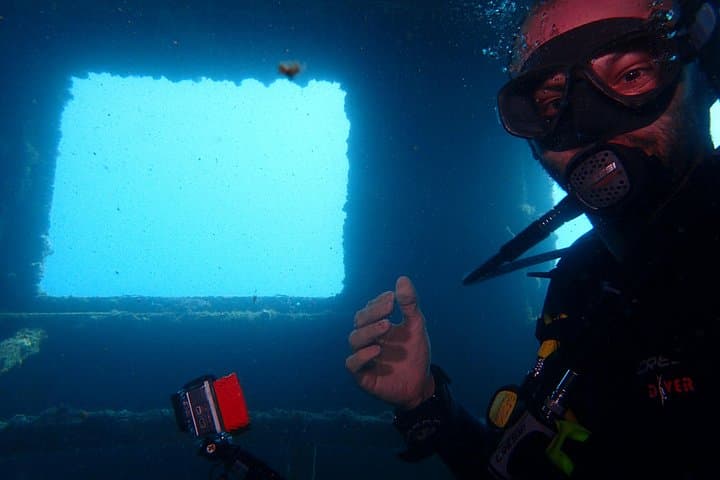
This coastline sits at the northern edge of the Colombian Caribbean, where coral growth and ship traffic have shaped a patchwork of reefs and seven known wreck sites. Cartagena’s maritime history—from colonial commerce to modern tourism—means these wrecks are both historical markers and artificial habitat, providing structure for reef fish, sponges, and corals.
Local dive operators work from small boats and favor morning two-dive schedules: long bottom times, a boat-interval with snacks, and frequent photo/video documentation. Visibility is generally excellent in the dry months, and water temperatures are warm enough that many divers forgo thick suits. The area’s reefs are actively monitored by local conservation groups focused on coral protection and sustainable practices.
Practical guide: arrive with certification card and recent dive log, expect 5 hours total including transit, and be ready for surface intervals on deck. Mask, fins and regulator are provided, but bring any personal gear you prefer. Plan for sun exposure between dives, secure a waterproof pouch for cameras, and follow your guide’s briefing—currents can shift and entry/exit vary by site. For certified divers seeking clear water, healthy coral and accessible wrecks, Cartagena offers reliable, photo-ready dives with manageable logistics.
Water temperatures in the Cartagena area typically range 26–29°C (79–84°F); most divers use a 1–3mm suit or a shorty, but a full suit is rarely necessary.
Yes—sites and profiles are chosen for certified divers, with dive durations over 50 minutes; however, you should be comfortable with basic skills and buoyancy control.
Boat runs to Barú or Salmedina reefs are typically 30–60 minutes depending on the launch point and sea conditions.
Standard inclusions are SCUBA equipment, boat transfer, snacks and bottled water, and photos/videos of your dives.
Buzos de Baru operates guided outdoor trips and adventures with an emphasis on safety, stewardship, and memorable experiences.
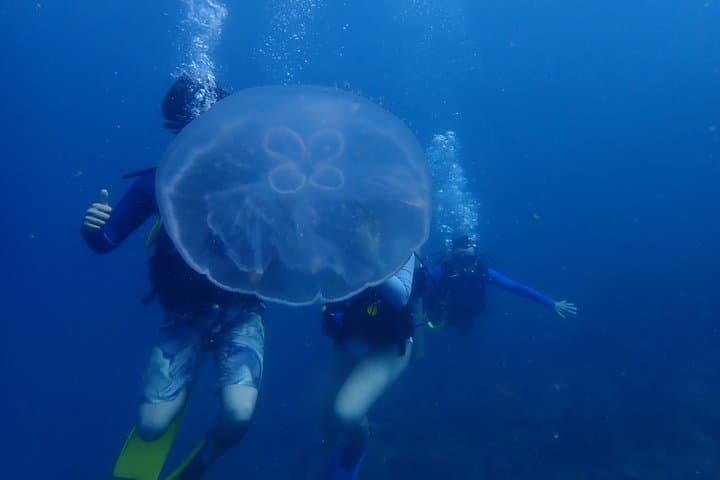
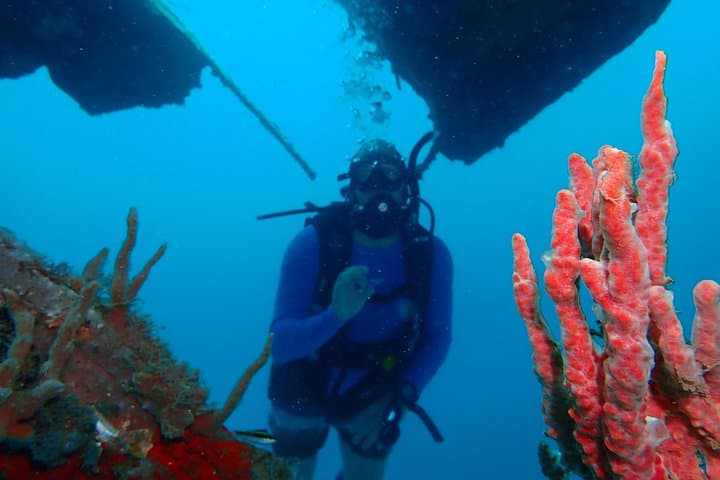
The boat slips away from Cartagena’s harbor at dawn and the city’s heat loosens its grip. Salt-slick air and the creak of rigging set the pace as you cross turquoise lanes toward Barú or the Salmedina reefs. On the surface, the sea looks calm; below, coral gardens and wrecks wait, the current nudging you toward deeper color and life.
The boat slips away from Cartagena’s harbor at dawn and the city’s heat loosens its grip. Salt-slick air and the creak of rigging set the pace as you cross turquoise lanes toward Barú or the Salmedina reefs. On the surface, the sea looks calm; below, coral gardens and wrecks wait, the current nudging you toward deeper color and life.
This coastline sits at the northern edge of the Colombian Caribbean, where coral growth and ship traffic have shaped a patchwork of reefs and seven known wreck sites. Cartagena’s maritime history—from colonial commerce to modern tourism—means these wrecks are both historical markers and artificial habitat, providing structure for reef fish, sponges, and corals.
Local dive operators work from small boats and favor morning two-dive schedules: long bottom times, a boat-interval with snacks, and frequent photo/video documentation. Visibility is generally excellent in the dry months, and water temperatures are warm enough that many divers forgo thick suits. The area’s reefs are actively monitored by local conservation groups focused on coral protection and sustainable practices.
Practical guide: arrive with certification card and recent dive log, expect 5 hours total including transit, and be ready for surface intervals on deck. Mask, fins and regulator are provided, but bring any personal gear you prefer. Plan for sun exposure between dives, secure a waterproof pouch for cameras, and follow your guide’s briefing—currents can shift and entry/exit vary by site. For certified divers seeking clear water, healthy coral and accessible wrecks, Cartagena offers reliable, photo-ready dives with manageable logistics.