THE ADVENTURE COLLECTIVE® · Independent discovery and booking for outdoor travel

Explore Cartagena’s layered past on a focused 2–3 hour walking tour that centers on the 1st-century BC Roman Theatre and the city’s compact old town. Small groups, cobbled streets, and accessible museum stops make this a practical cultural outing for active travelers.
Explore Cartagena’s layered past on a focused 2–3 hour walking tour that centers on the 1st-century BC Roman Theatre and the city’s compact old town. Small groups, cobbled streets, and accessible museum stops make this a practical cultural outing for active travelers.
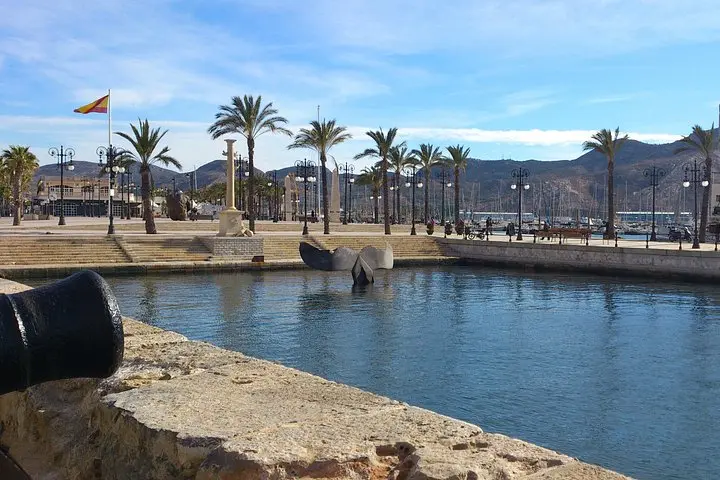
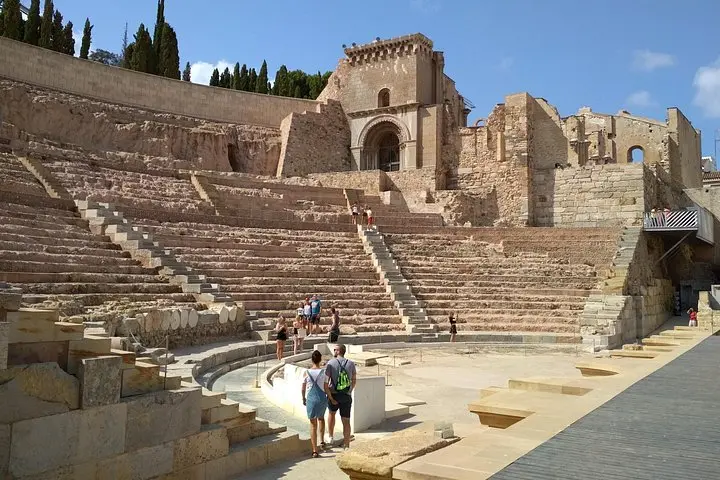
You step off the harbor and the Mediterranean pulls a cool breath across cobbles as the city unfolds—bright façades, narrow alleys, and the low curve of ancient walls. The guide points down to the Roman Theatre: stones cut in the 1st century BC that still hold the geometry of an audience.
Verified experiences and guided adventures in the surrounding area.
Operated by The Best Day · Cartagena, Murcia
You step off the harbor and the Mediterranean pulls a cool breath across cobbles as the city unfolds—bright façades, narrow alleys, and the low curve of ancient walls. The guide points down to the Roman Theatre: stones cut in the 1st century BC that still hold the geometry of an audience.
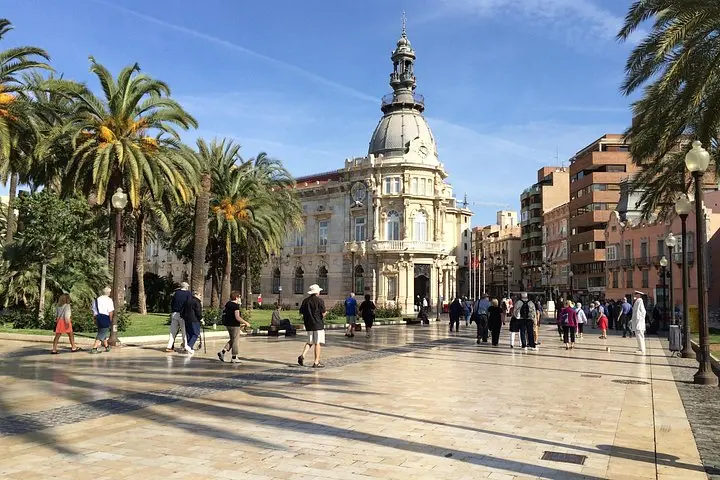
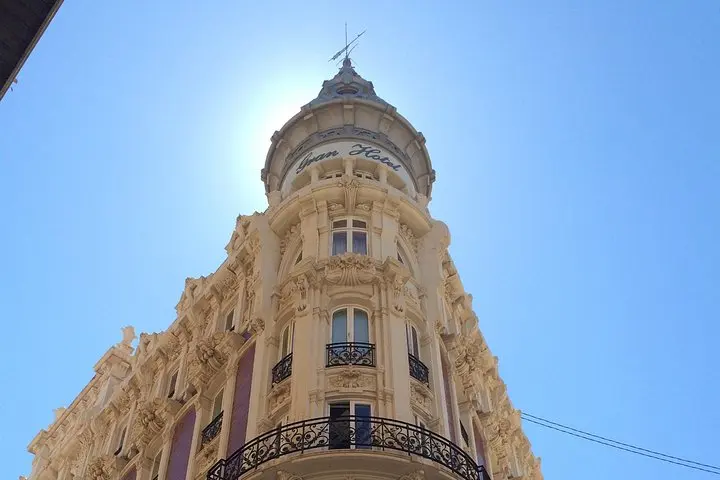
Cartagena’s story is layered—Phoenician and Carthaginian traders gave way to Rome’s naval hub, then centuries of maritime and military change carved the modern grid. The city sits on a pocketed coastline and limestone hills, so you’ll cross both shadowed plazas and sunlit viewpoints. Architecture ranges from imperial ruins to Art Nouveau storefronts that recall early 20th-century prosperity from shipbuilding and trade.
Culturally, the old town is compact and social: markets, tapas bars, and small museums orbit the Roman Theatre, whose on-site museum explains excavations and offers a close-up of mosaics and inscriptions.
Practical guidance: the tour runs about 2–3 hours and covers roughly 2–3 km of walking over cobbles and gentle hills—expect intermittent stairs and some uneven pavement. Mornings or late afternoons are best in summer to avoid heat; bring water, sun protection, and supportive shoes. The route is mostly stroller-accessible but not flat throughout; travelers should have moderate fitness and avoid the tour if they have serious heart problems. Group size is small, enhancing access to sites like the Theatre museum. Stay on marked paths at archaeological sites, and leave time after the tour to sit in a plaza for coffee and watch the harbor tide change—Cartagena’s sea keeps moving the city’s story forward.
Meeting is typically near Cartagena’s port promenade or a central plaza—your booking confirmation gives the exact point and a local landmark.
The tour includes access to the Roman Theatre museum as described, so you can enter the archaeological site during the visit.
Parts of the route and museum are stroller accessible, but cobbles and steps mean it’s not fully wheelchair-friendly across the entire tour.
Guides commonly speak Spanish and often English; check the booking details for language options or request specifics when you book.
The Best Day operates guided outdoor trips and adventures with an emphasis on safety, stewardship, and memorable experiences.
You step off the harbor and the Mediterranean pulls a cool breath across cobbles as the city unfolds—bright façades, narrow alleys, and the low curve of ancient walls. The guide points down to the Roman Theatre: stones cut in the 1st century BC that still hold the geometry of an audience.
You step off the harbor and the Mediterranean pulls a cool breath across cobbles as the city unfolds—bright façades, narrow alleys, and the low curve of ancient walls. The guide points down to the Roman Theatre: stones cut in the 1st century BC that still hold the geometry of an audience.
Cartagena’s story is layered—Phoenician and Carthaginian traders gave way to Rome’s naval hub, then centuries of maritime and military change carved the modern grid. The city sits on a pocketed coastline and limestone hills, so you’ll cross both shadowed plazas and sunlit viewpoints. Architecture ranges from imperial ruins to Art Nouveau storefronts that recall early 20th-century prosperity from shipbuilding and trade.
Culturally, the old town is compact and social: markets, tapas bars, and small museums orbit the Roman Theatre, whose on-site museum explains excavations and offers a close-up of mosaics and inscriptions.
Practical guidance: the tour runs about 2–3 hours and covers roughly 2–3 km of walking over cobbles and gentle hills—expect intermittent stairs and some uneven pavement. Mornings or late afternoons are best in summer to avoid heat; bring water, sun protection, and supportive shoes. The route is mostly stroller-accessible but not flat throughout; travelers should have moderate fitness and avoid the tour if they have serious heart problems. Group size is small, enhancing access to sites like the Theatre museum. Stay on marked paths at archaeological sites, and leave time after the tour to sit in a plaza for coffee and watch the harbor tide change—Cartagena’s sea keeps moving the city’s story forward.