THE ADVENTURE COLLECTIVE® · Independent discovery and booking for outdoor travel

See Casablanca’s coastal pulse in a single day: Hassan II Mosque, sweeping Corniche views, and the Habous Quarter’s artisan markets. This guided day trip from Marrakech packs the city’s architecture, culture, and seaside energy into a one-way excursion that’s logistically simple and rich in local color.
See Casablanca’s coastal pulse in a single day: Hassan II Mosque, sweeping Corniche views, and the Habous Quarter’s artisan markets. This guided day trip from Marrakech packs the city’s architecture, culture, and seaside energy into a one-way excursion that’s logistically simple and rich in local color.
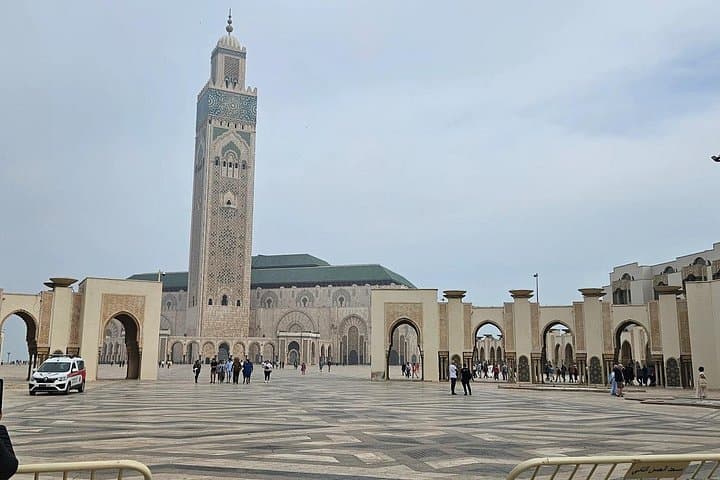
You arrive to the Atlantic wind before the city—the road opens and Casablanca’s low skyline hunches against a bright horizon. Salt lifts from the sea and the Corniche unfurls like a walking route that dares you to slow down and look out: the lighthouse, a band of whitewashed boats, and the monumental silhouette of the Hassan II Mosque pinned to the ocean.
Verified experiences and guided adventures in the surrounding area.
Operated by Issil Transport · Casablanca, Casablanca-Settat
You arrive to the Atlantic wind before the city—the road opens and Casablanca’s low skyline hunches against a bright horizon. Salt lifts from the sea and the Corniche unfurls like a walking route that dares you to slow down and look out: the lighthouse, a band of whitewashed boats, and the monumental silhouette of the Hassan II Mosque pinned to the ocean.
Casablanca’s story is one of layers: a fishing port that expanded under the French Protectorate into a modern commercial hub, with Art Deco boulevards rubbing shoulders with artisan souks in the Habous Quarter. Geologically, the city sits on gentle coastal plains and rocky headlands where the Atlantic scours the shore—expect wind-shaped palms rather than steep alpine relief.
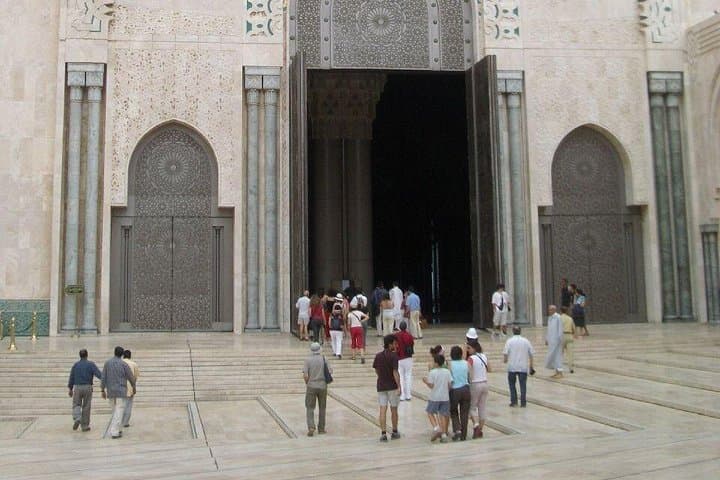
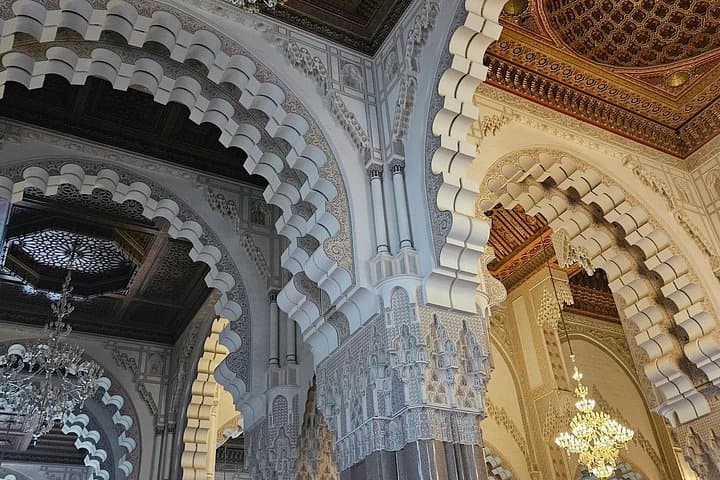
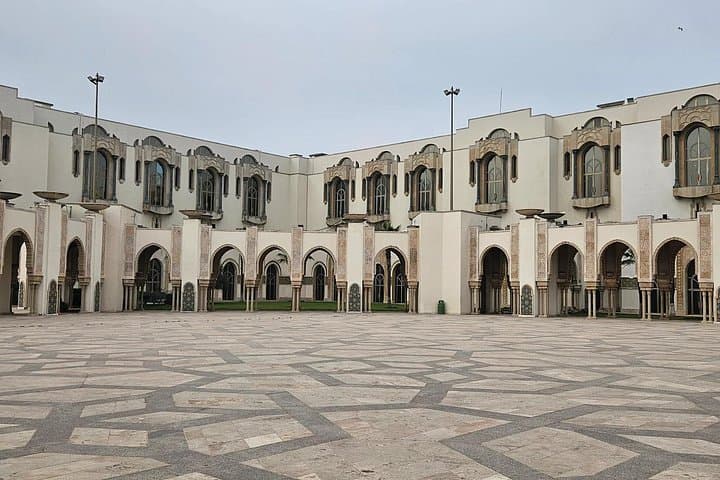
Culturally the city is direct: the Hassan II Mosque combines contemporary engineering with intricate Moroccan craftsmanship; the Sacred Heart Cathedral offers a reminder of Casablanca’s European-era architecture; the Habous Quarter still hums with bakers and leatherworkers. Small cafés pour mint tea and conversations, and the El Hank Lighthouse watches shipping lanes like a bored guardian.
Practical guidance: this is a full 12-hour day with about 2.5–3 hours each way by road from Marrakech. Much of the sightseeing is flat and urban walking—bring comfortable shoes, sun protection and a small daypack. If you want to enter the mosque interior, buy the official ticket in advance or on site (fee applies). Dress respectfully near religious sites and carry ID for security checks. Expect a guided pace with hotel pickup and a long but scenic return drive; keep water handy and leave room in your schedule for the city’s slow, savory moments.
The tour includes a stop at the mosque; exterior viewing is standard, while interior entry requires an official ticket (typically purchased separately on site for a fee).
Expect roughly 2.5–3 hours each way depending on traffic; the full trip is about a 12‑hour day including stops.
Lunch is not included in the standard shared tour; there will be free time to eat at local restaurants and vegan options are available upon request.
Yes—pickup and direct drop-off in Marrakech are included, with times provided at booking and a central meeting option for convenience.
Issil Transport operates guided outdoor trips and adventures with an emphasis on safety, stewardship, and memorable experiences.
You arrive to the Atlantic wind before the city—the road opens and Casablanca’s low skyline hunches against a bright horizon. Salt lifts from the sea and the Corniche unfurls like a walking route that dares you to slow down and look out: the lighthouse, a band of whitewashed boats, and the monumental silhouette of the Hassan II Mosque pinned to the ocean.
You arrive to the Atlantic wind before the city—the road opens and Casablanca’s low skyline hunches against a bright horizon. Salt lifts from the sea and the Corniche unfurls like a walking route that dares you to slow down and look out: the lighthouse, a band of whitewashed boats, and the monumental silhouette of the Hassan II Mosque pinned to the ocean.
Casablanca’s story is one of layers: a fishing port that expanded under the French Protectorate into a modern commercial hub, with Art Deco boulevards rubbing shoulders with artisan souks in the Habous Quarter. Geologically, the city sits on gentle coastal plains and rocky headlands where the Atlantic scours the shore—expect wind-shaped palms rather than steep alpine relief.
Culturally the city is direct: the Hassan II Mosque combines contemporary engineering with intricate Moroccan craftsmanship; the Sacred Heart Cathedral offers a reminder of Casablanca’s European-era architecture; the Habous Quarter still hums with bakers and leatherworkers. Small cafés pour mint tea and conversations, and the El Hank Lighthouse watches shipping lanes like a bored guardian.
Practical guidance: this is a full 12-hour day with about 2.5–3 hours each way by road from Marrakech. Much of the sightseeing is flat and urban walking—bring comfortable shoes, sun protection and a small daypack. If you want to enter the mosque interior, buy the official ticket in advance or on site (fee applies). Dress respectfully near religious sites and carry ID for security checks. Expect a guided pace with hotel pickup and a long but scenic return drive; keep water handy and leave room in your schedule for the city’s slow, savory moments.