
Casablanca Private Day Tour: Hassan II Mosque & Jewish Heritage Highlights
Explore Casablanca’s top landmarks with a private guide: Hassan II Mosque, the Habous Quarter, Anfa Quatre and the El‑Beth synagogue. This concise private tour pairs urban history and Jewish heritage with practical stops and local context.
An Adventure In Casablanca.
Explore Casablanca’s top landmarks with a private guide: Hassan II Mosque, the Habous Quarter, Anfa Quatre and the El‑Beth synagogue. This concise private tour pairs urban history and Jewish heritage with practical stops and local context.
Read the full experience
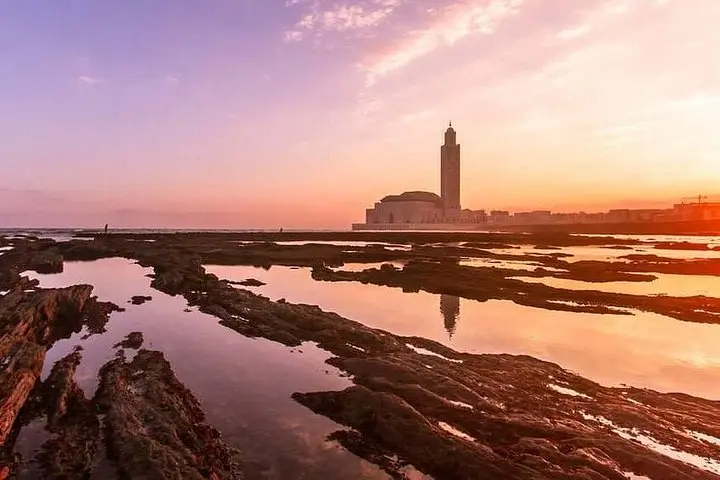
You step out onto an Atlantic-tinged street and the city opens in slices: the Hassan II Mosque’s minaret rises against the sky, the Habous Quarter hums with markets, and Anfa’s wide avenues hint at Casablanca’s 20th‑century growth. The guide’s small van moves through neighborhoods where modern boulevards meet older stonework, delivering a compact portrait of the city’s layered identities.
You step out onto an Atlantic-tinged street and the city opens in slices: the Hassan II Mosque’s minaret rises against the sky, the Habous Quarter hums with markets, and Anfa’s wide avenues hint at Casablanca’s 20th‑century growth. The guide’s small van moves through neighborhoods where modern boulevards meet older stonework, delivering a compact portrait of the city’s layered identities.
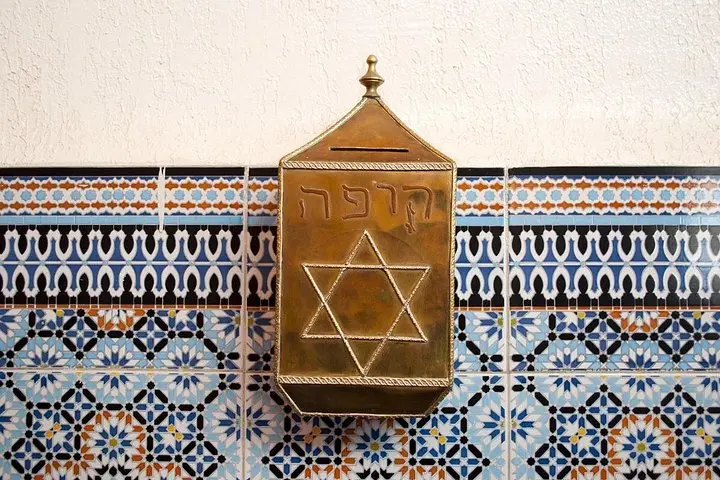
Casablanca grew rapidly during the French protectorate and became Morocco’s economic engine; its architecture reflects European planning alongside Moroccan craft traditions. The Jewish community once formed an integral part of urban life here, and sites like the El‑Beth synagogue and nearby religious landmarks trace that presence. Geologically the city sits on a coastal plain cut by seasonal wadis, the Atlantic shaping its climate and promenade culture.
Expect a paced, private exploration: a guided visit at Hassan II Mosque (outside and interior tour sections depend on schedule), a walk through the Habous with its bookshops and bakeries, a stop at Anfa Quatre for views of city planning, and a respectful visit to the El‑Beth synagogue. The rhythm is urban — cobbled lanes, market calls, ocean breeze daring you to linger on the Corniche.
Practical guidance: bring modest clothing for religious sites, comfortable walking shoes for mixed pavement, a small bottle of water, and ID for entry where required. Morning bookings avoid the hottest sunlight and heavy traffic. The tour works well for travelers who prefer culturally focused, low‑impact days with private transport and a local interpreter.
Frequently asked questions
Yes — the mosque offers guided tours for non‑Muslims at scheduled times; check timing in advance and dress modestly for interior access.
This private itinerary typically includes transport and guide time; confirm whether entrance fees (e.g., mosque tour tickets) are covered when you book.
Pickup from Casablanca hotels or CMN airport is commonly offered—provide arrival details when booking to coordinate timing.
Yes — the El‑Beth synagogue and nearby cultural stops are family‑friendly, but children should be supervised and visitors should follow site rules.
About This Experience
Special Morocco Trans Tours operates guided outdoor trips and adventures with an emphasis on safety, stewardship, and memorable experiences.
Adventure tips
Recommended gear
- Comfortable walking shoes: Durable shoes handle both paved boulevards and cobbled lanes encountered in the Habous and old quarters.
- Sunscreen and sunglasses: Protects against strong Atlantic sun, especially on the Corniche and mosque esplanade.
- Reusable water bottle: Keeps you hydrated during urban walks and reduces plastic waste.
- Passport or photo ID: Required for some site entries and often requested at checkpointed buildings.
Photos of the experience
Related adventures & guides
Read the full experience
You step out onto an Atlantic-tinged street and the city opens in slices: the Hassan II Mosque’s minaret rises against the sky, the Habous Quarter hums with markets, and Anfa’s wide avenues hint at Casablanca’s 20th‑century growth. The guide’s small van moves through neighborhoods where modern boulevards meet older stonework, delivering a compact portrait of the city’s layered identities.
You step out onto an Atlantic-tinged street and the city opens in slices: the Hassan II Mosque’s minaret rises against the sky, the Habous Quarter hums with markets, and Anfa’s wide avenues hint at Casablanca’s 20th‑century growth. The guide’s small van moves through neighborhoods where modern boulevards meet older stonework, delivering a compact portrait of the city’s layered identities.
Casablanca grew rapidly during the French protectorate and became Morocco’s economic engine; its architecture reflects European planning alongside Moroccan craft traditions. The Jewish community once formed an integral part of urban life here, and sites like the El‑Beth synagogue and nearby religious landmarks trace that presence. Geologically the city sits on a coastal plain cut by seasonal wadis, the Atlantic shaping its climate and promenade culture.
Expect a paced, private exploration: a guided visit at Hassan II Mosque (outside and interior tour sections depend on schedule), a walk through the Habous with its bookshops and bakeries, a stop at Anfa Quatre for views of city planning, and a respectful visit to the El‑Beth synagogue. The rhythm is urban — cobbled lanes, market calls, ocean breeze daring you to linger on the Corniche.
Practical guidance: bring modest clothing for religious sites, comfortable walking shoes for mixed pavement, a small bottle of water, and ID for entry where required. Morning bookings avoid the hottest sunlight and heavy traffic. The tour works well for travelers who prefer culturally focused, low‑impact days with private transport and a local interpreter.
Make a day of it nearby.
Verified experiences and guided adventures in the surrounding area.