THE ADVENTURE COLLECTIVE® · Independent discovery and booking for outdoor travel

Explore Casablanca’s coastal grandeur with a private guide—step inside the Hassan II Mosque, walk the Habous Quarter and haggle in the Old Medina. This half-day private tour combines architecture, markets and local cuisine with practical logistics handled for you.
Explore Casablanca’s coastal grandeur with a private guide—step inside the Hassan II Mosque, walk the Habous Quarter and haggle in the Old Medina. This half-day private tour combines architecture, markets and local cuisine with practical logistics handled for you.
You arrive at the waterfront where a vast minaret pins the skyline to the Atlantic. Salt wind tugs at your jacket as the Hassan II Mosque’s stonework and mosaic tiles catch the light; the mosque sits literally on the sea, its prayer hall and courtyard opening toward the ocean with a minaret that rises 210 meters.
Verified experiences and guided adventures in the surrounding area.
Operated by Premium Transfers and Tours Travel · Casablanca, Casablanca-Settat
You arrive at the waterfront where a vast minaret pins the skyline to the Atlantic. Salt wind tugs at your jacket as the Hassan II Mosque’s stonework and mosaic tiles catch the light; the mosque sits literally on the sea, its prayer hall and courtyard opening toward the ocean with a minaret that rises 210 meters.
The mosque was completed in 1993 after an ambitious project begun in the 1980s, a modern imperial landmark built using traditional Moroccan craftsmanship. From there your route threads through Casablanca’s layers: the French-era planning of the Habous Quarter with its orderly lanes and arcades, the tight alleys of the Old Medina where souk stalls press close, and colonial landmarks and cafés that trace the city’s 20th-century transformations.
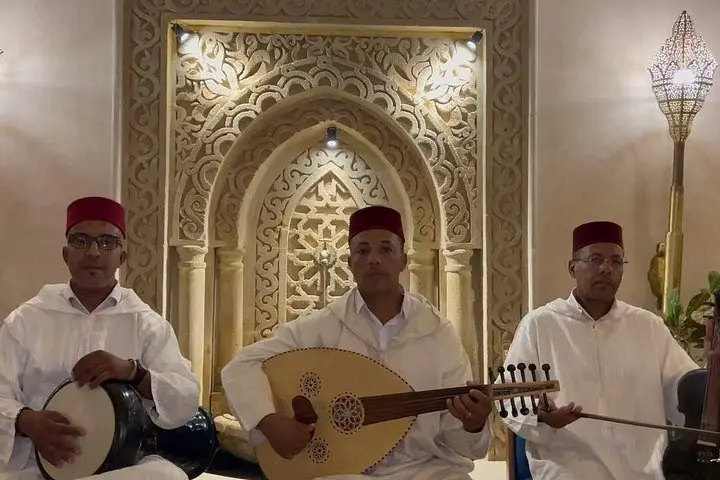
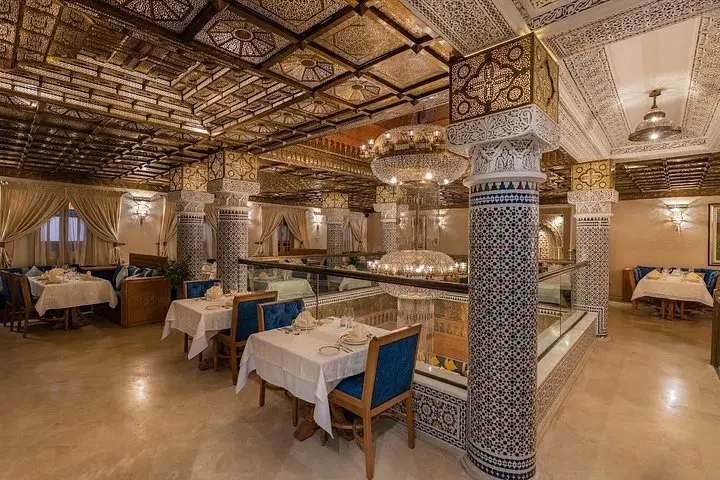
Expect a mix of paved promenades, narrow pedestrian lanes, and busy streets—your guide will manage logistics, cultural context and the timings required for mosque entry (note: last interior entry typically by mid-afternoon). You’ll pause at public squares and a classic cinematic café before a traditional lunch and an evening dance performance if selected.
Practical notes: wear modest, comfortable clothes for mosque access; flat shoes for cobbles; carry water and a phone charger; keep small bills for purchases and tipping. Morning visits beat the heat and allow interior access to the mosque; afternoons are better for relaxed café time and people-watching. This is a day of close-up cultural contact—observe prayer times, ask before photographing people, and let your guide handle negotiations in the souks so you can focus on the textures, tastes and sounds of Casablanca.
The tour includes Hassan II Mosque entrance when interior visits are available; note the mosque typically stops admitting visitors in the mid-afternoon.
Yes—small vendors and souvenir stalls usually accept cash; bring local dirhams for purchases and tips.
Lunch is optional unless specified; the tour can stop at recommended local restaurants but check your booking details for inclusions.
Yes—bookings allow notes for special requirements; the tour is generally suitable for most mobility levels but inform the operator in advance for any assistance.
Premium Transfers and Tours Travel operates guided outdoor trips and adventures with an emphasis on safety, stewardship, and memorable experiences.
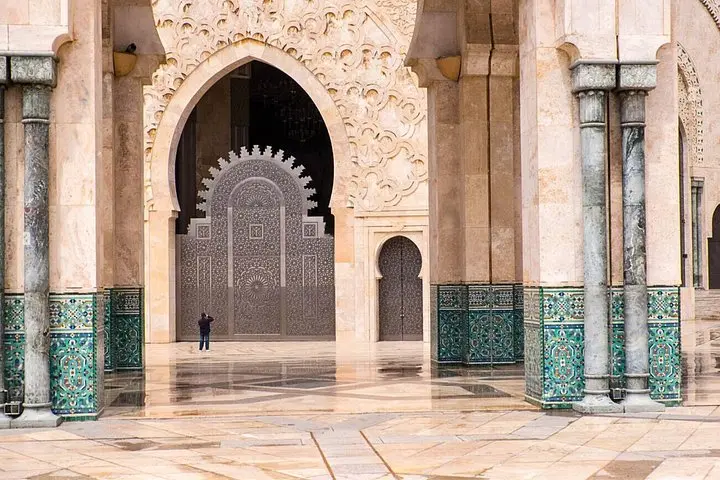
You arrive at the waterfront where a vast minaret pins the skyline to the Atlantic. Salt wind tugs at your jacket as the Hassan II Mosque’s stonework and mosaic tiles catch the light; the mosque sits literally on the sea, its prayer hall and courtyard opening toward the ocean with a minaret that rises 210 meters.
You arrive at the waterfront where a vast minaret pins the skyline to the Atlantic. Salt wind tugs at your jacket as the Hassan II Mosque’s stonework and mosaic tiles catch the light; the mosque sits literally on the sea, its prayer hall and courtyard opening toward the ocean with a minaret that rises 210 meters.
The mosque was completed in 1993 after an ambitious project begun in the 1980s, a modern imperial landmark built using traditional Moroccan craftsmanship. From there your route threads through Casablanca’s layers: the French-era planning of the Habous Quarter with its orderly lanes and arcades, the tight alleys of the Old Medina where souk stalls press close, and colonial landmarks and cafés that trace the city’s 20th-century transformations.
Expect a mix of paved promenades, narrow pedestrian lanes, and busy streets—your guide will manage logistics, cultural context and the timings required for mosque entry (note: last interior entry typically by mid-afternoon). You’ll pause at public squares and a classic cinematic café before a traditional lunch and an evening dance performance if selected.
Practical notes: wear modest, comfortable clothes for mosque access; flat shoes for cobbles; carry water and a phone charger; keep small bills for purchases and tipping. Morning visits beat the heat and allow interior access to the mosque; afternoons are better for relaxed café time and people-watching. This is a day of close-up cultural contact—observe prayer times, ask before photographing people, and let your guide handle negotiations in the souks so you can focus on the textures, tastes and sounds of Casablanca.