THE ADVENTURE COLLECTIVE® · Independent discovery and booking for outdoor travel

Cross Morocco in three days from Casablanca to Merzouga, trading Atlantic vistas for Erg Chebbi’s rolling dunes. This short expedition pairs imperial cities, cedar forests and a camel-led desert night for a compact introduction to Morocco’s varied landscapes.
Cross Morocco in three days from Casablanca to Merzouga, trading Atlantic vistas for Erg Chebbi’s rolling dunes. This short expedition pairs imperial cities, cedar forests and a camel-led desert night for a compact introduction to Morocco’s varied landscapes.
The first morning you roll out of Casablanca, the Atlantic light still clinging to the city, and the van eats kilometers of highway toward the interior. By late afternoon the road gives way to ochre plains and dunes that lean toward the horizon; the desert asks for a slower tempo and rewards small attentions — the tilt of sand, the hush after sunset.
Verified experiences and guided adventures in the surrounding area.
Operated by Desertbrise Travel · Merzouga, Errachidia Province
The first morning you roll out of Casablanca, the Atlantic light still clinging to the city, and the van eats kilometers of highway toward the interior. By late afternoon the road gives way to ochre plains and dunes that lean toward the horizon; the desert asks for a slower tempo and rewards small attentions — the tilt of sand, the hush after sunset.
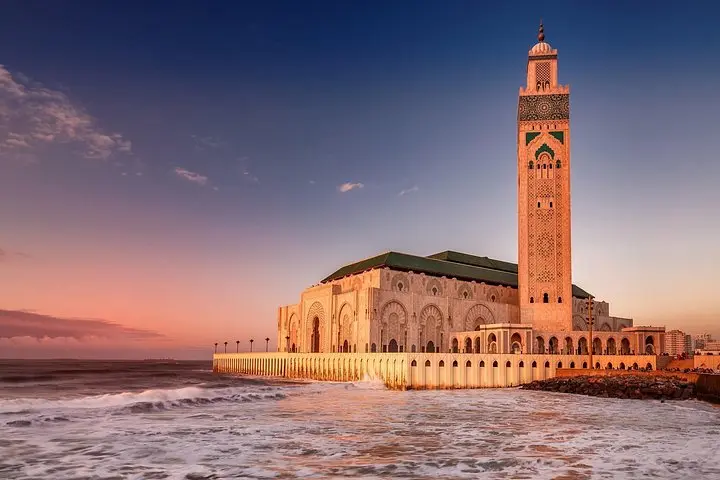
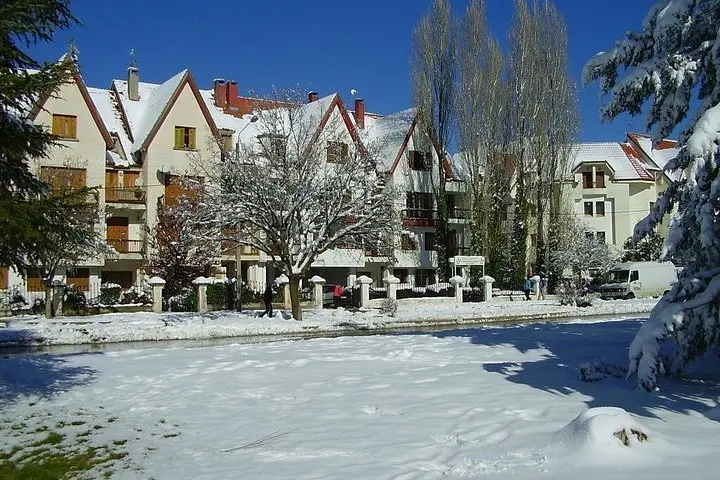
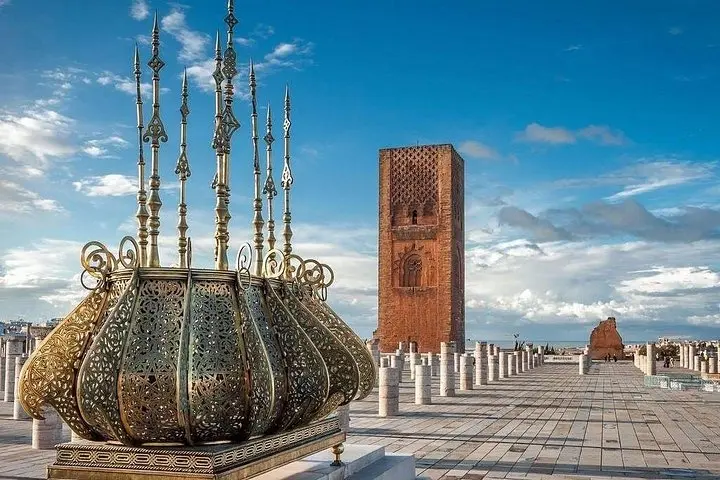
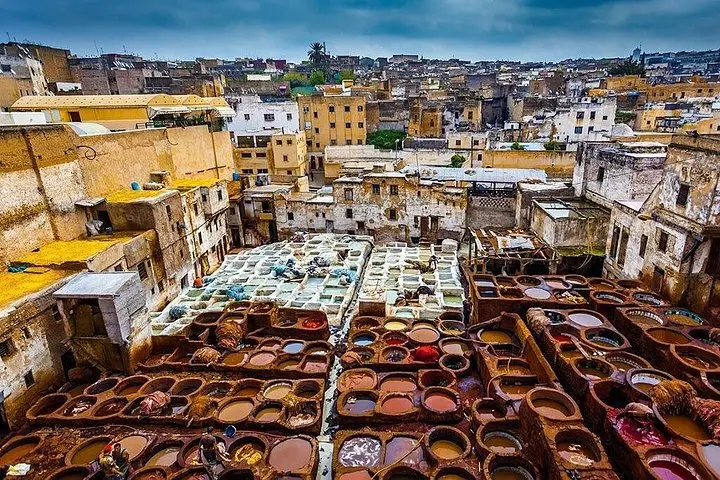
Across three days the route stitches imperial cities, cedar forests and kasbahs into one corridor: Casablanca’s modern facades, Rabat’s royal precincts, Fez’s medina lanes, the cedar groves of the Middle Atlas, the fossil-strewn plains around Erfoud, and finally Merzouga’s Erg Chebbi. Geologically, Erg Chebbi is a living dune field formed by wind-driven sands from the High Atlas; culturally the area is shaped by Amazigh (Berber) traditions and caravan-era trade that threaded these oases for centuries.
Expect long stretches in an air-conditioned vehicle, short guided walks through medina alleys, and a camel-led transfer into a desert camp for an overnight beneath stellar skies. Sunrise and sunset on the dunes are the high notes — light that sharpens contours and thermals that push warm air up the slope. Local guides handle camel logistics and camp hospitality; riads and desert camps offer the practical comforts after travel.
Practical guidance: bring layered clothing for wide temperature swings, sun protection and a small daypack for camera, water and a light jacket. If you’re sensitive to motion, pack medication for long drives. Reservations are typically confirmed instantly; plan for early starts and allow recovery time in Marrakech at the end of the tour.
Camel rides to the camp usually last 45–90 minutes depending on the camp location and how deep into the dunes you go.
Yes — the itinerary commonly includes two dinners and two breakfasts, with a traditional dinner in the desert camp on night two.
The operator notes accessibility options and infant seats; camel rides and dune walking require basic mobility — discuss specific needs at booking.
Spring and fall offer the most comfortable temperatures; winter mornings are cold and summers can be very hot during midday.
Desertbrise Travel operates guided outdoor trips and adventures with an emphasis on safety, stewardship, and memorable experiences.
The first morning you roll out of Casablanca, the Atlantic light still clinging to the city, and the van eats kilometers of highway toward the interior. By late afternoon the road gives way to ochre plains and dunes that lean toward the horizon; the desert asks for a slower tempo and rewards small attentions — the tilt of sand, the hush after sunset.
The first morning you roll out of Casablanca, the Atlantic light still clinging to the city, and the van eats kilometers of highway toward the interior. By late afternoon the road gives way to ochre plains and dunes that lean toward the horizon; the desert asks for a slower tempo and rewards small attentions — the tilt of sand, the hush after sunset.
Across three days the route stitches imperial cities, cedar forests and kasbahs into one corridor: Casablanca’s modern facades, Rabat’s royal precincts, Fez’s medina lanes, the cedar groves of the Middle Atlas, the fossil-strewn plains around Erfoud, and finally Merzouga’s Erg Chebbi. Geologically, Erg Chebbi is a living dune field formed by wind-driven sands from the High Atlas; culturally the area is shaped by Amazigh (Berber) traditions and caravan-era trade that threaded these oases for centuries.
Expect long stretches in an air-conditioned vehicle, short guided walks through medina alleys, and a camel-led transfer into a desert camp for an overnight beneath stellar skies. Sunrise and sunset on the dunes are the high notes — light that sharpens contours and thermals that push warm air up the slope. Local guides handle camel logistics and camp hospitality; riads and desert camps offer the practical comforts after travel.
Practical guidance: bring layered clothing for wide temperature swings, sun protection and a small daypack for camera, water and a light jacket. If you’re sensitive to motion, pack medication for long drives. Reservations are typically confirmed instantly; plan for early starts and allow recovery time in Marrakech at the end of the tour.