THE ADVENTURE COLLECTIVE® · Independent discovery and booking for outdoor travel

An eight-day loop from Casablanca to Tangier that pairs Atlantic coast views with imperial cities and the blue alleys of Chefchaouen. Expect guided medina walks, Roman ruins at Volubilis, and coastal viewpoints at Cap Spartel.
An eight-day loop from Casablanca to Tangier that pairs Atlantic coast views with imperial cities and the blue alleys of Chefchaouen. Expect guided medina walks, Roman ruins at Volubilis, and coastal viewpoints at Cap Spartel.
The first morning light in Casablanca hits the Atlantic like an invitation—fishermen’s boats bob at the port while the Hassan II Mosque’s minaret slices the sky. Over eight days you ride Morocco’s northern spine: Atlantic coastlines that push forward into the Strait of Gibraltar, wind-carved cliffs at Cap Spartel, and the bluewashed alleys of Chefchaouen that climb the Rif foothills.
Verified experiences and guided adventures in the surrounding area.
Operated by EASYGO TOURS · Casablanca, Casablanca-Settat
The first morning light in Casablanca hits the Atlantic like an invitation—fishermen’s boats bob at the port while the Hassan II Mosque’s minaret slices the sky. Over eight days you ride Morocco’s northern spine: Atlantic coastlines that push forward into the Strait of Gibraltar, wind-carved cliffs at Cap Spartel, and the bluewashed alleys of Chefchaouen that climb the Rif foothills.
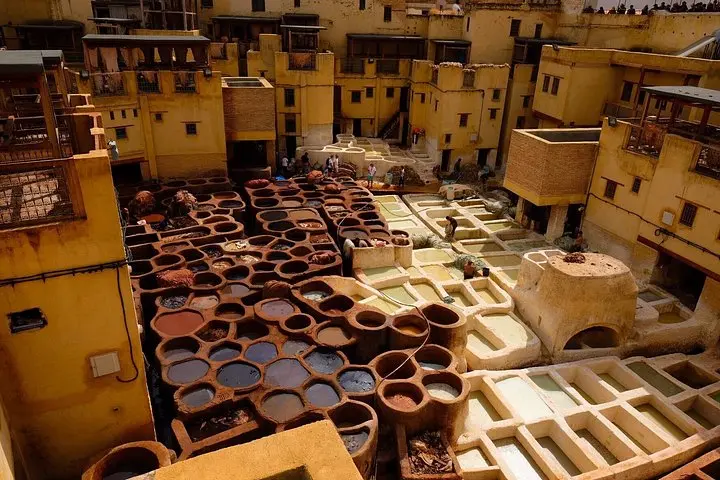
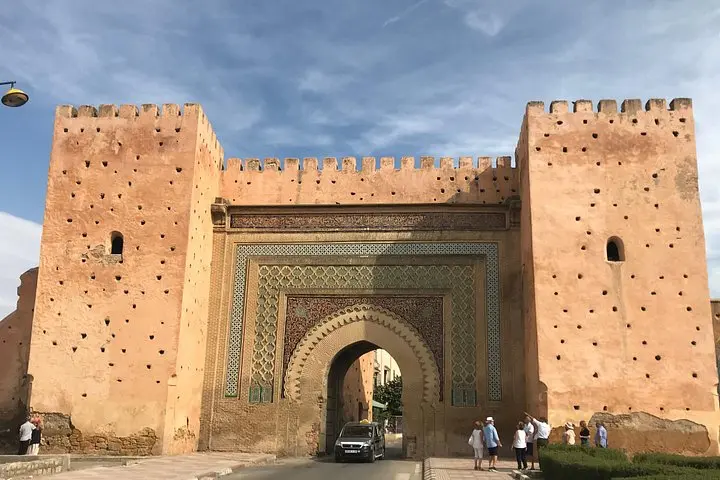
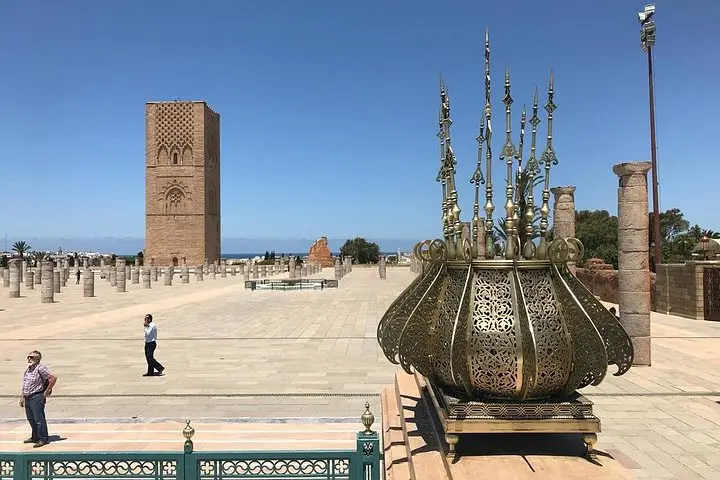
This route stitches Roman ruins, Andalusian-era medinas and imperial capitals. Volubilis’ mosaics recall Roman agriculture; Fez preserves medieval Islamic scholarship; Rabat’s Hassan Tower and Moulay Idriss’ tomb link centuries of dynastic power. Geologically, the coastal plain gives way to folded, limestone ridges of the Rif—small streams and springs fuel the terraced fields around Chefchaouen.
Expect a travel rhythm of short drives, guided city walks and time to wander markets. Local guides frame history with practical tips—how to read a souk, where to sample harira and which kasbah walls offer the best sunset. Nature asserts itself too: Atlantic winds reshape beaches and migratory seabirds patrol the strait.
Practical edge: pack good walking shoes for cobbles and uneven Kasbah stairs, a light layer for chilly coastal evenings, and a reusable water bottle—tap water is treated in cities but bottled is common. Morning museum visits beat the heat and the crowds; allow extra time for passport checks and narrow-vehicle parking in medinas. This is a gentle but full itinerary—minimal strenuous hiking, maximum cultural mileage—ideal for travelers who want coastal scenery and deep historical context without backcountry logistics.
Visa requirements depend on your nationality—check Morocco’s consulate guidance well before travel and carry passport pages for stamps.
Yes; the itinerary is vehicle-based with short walks and is described as suitable for all fitness levels, but check accessibility for specific hotels and medina streets.
Moroccan dirham (MAD) is the local currency; cards work in larger hotels and restaurants but carry cash for markets and small vendors.
The tour includes 7 breakfasts and 7 nights in hotels/riads or hostels; other meals are typically at the traveler’s expense unless specified.
EASYGO TOURS operates guided outdoor trips and adventures with an emphasis on safety, stewardship, and memorable experiences.
The first morning light in Casablanca hits the Atlantic like an invitation—fishermen’s boats bob at the port while the Hassan II Mosque’s minaret slices the sky. Over eight days you ride Morocco’s northern spine: Atlantic coastlines that push forward into the Strait of Gibraltar, wind-carved cliffs at Cap Spartel, and the bluewashed alleys of Chefchaouen that climb the Rif foothills.
The first morning light in Casablanca hits the Atlantic like an invitation—fishermen’s boats bob at the port while the Hassan II Mosque’s minaret slices the sky. Over eight days you ride Morocco’s northern spine: Atlantic coastlines that push forward into the Strait of Gibraltar, wind-carved cliffs at Cap Spartel, and the bluewashed alleys of Chefchaouen that climb the Rif foothills.
This route stitches Roman ruins, Andalusian-era medinas and imperial capitals. Volubilis’ mosaics recall Roman agriculture; Fez preserves medieval Islamic scholarship; Rabat’s Hassan Tower and Moulay Idriss’ tomb link centuries of dynastic power. Geologically, the coastal plain gives way to folded, limestone ridges of the Rif—small streams and springs fuel the terraced fields around Chefchaouen.
Expect a travel rhythm of short drives, guided city walks and time to wander markets. Local guides frame history with practical tips—how to read a souk, where to sample harira and which kasbah walls offer the best sunset. Nature asserts itself too: Atlantic winds reshape beaches and migratory seabirds patrol the strait.
Practical edge: pack good walking shoes for cobbles and uneven Kasbah stairs, a light layer for chilly coastal evenings, and a reusable water bottle—tap water is treated in cities but bottled is common. Morning museum visits beat the heat and the crowds; allow extra time for passport checks and narrow-vehicle parking in medinas. This is a gentle but full itinerary—minimal strenuous hiking, maximum cultural mileage—ideal for travelers who want coastal scenery and deep historical context without backcountry logistics.