THE ADVENTURE COLLECTIVE® · Independent discovery and booking for outdoor travel

Explore Casco Antiguo’s plazas, cathedrals, and ruins on a private 2-hour walking tour. This guided route highlights Panama City’s colonial past, the Golden Altar, and quieter corners away from the main crowds.
Explore Casco Antiguo’s plazas, cathedrals, and ruins on a private 2-hour walking tour. This guided route highlights Panama City’s colonial past, the Golden Altar, and quieter corners away from the main crowds.
A morning in Casco Antiguo opens with trolley bells and the Atlantic breeze threading between low-rise colonial facades; the cobbles underfoot click with the rhythm of a city that rebuilt itself. The private walking tour moves deliberately through plazas and narrow lanes, pausing at the Panama Cathedral’s quiet stone stairs and then to the baroque richness of the Church of San José, where the Golden Altar gleams like a survivor’s medal.
Verified experiences and guided adventures in the surrounding area.
Operated by Opatrip.com Panama · Panama City, Panamá Province
A morning in Casco Antiguo opens with trolley bells and the Atlantic breeze threading between low-rise colonial facades; the cobbles underfoot click with the rhythm of a city that rebuilt itself. The private walking tour moves deliberately through plazas and narrow lanes, pausing at the Panama Cathedral’s quiet stone stairs and then to the baroque richness of the Church of San José, where the Golden Altar gleams like a survivor’s medal.
Casco Viejo was laid out after the 1671 destruction of Panamá Viejo and became the administrative and cultural heart during the Spanish colonial and republican eras. The neighborhood’s bones mix Spanish colonial planning, French-influenced public spaces and 20th‑century republican architecture—evidence of seismic shifts, trade, and migration. Stone arches and the remains of defensive walls speak to a coastline shaped by geopolitics as much as tides.
Cultural rhythms are tangible: vendors at Independence Plaza, musicians in Plaza Francia, and the layered smells of coffee and ceviche. Guides typically weave stories about independence, the canal’s builders, and the convent ruins that reveal how earthquakes and time reshaped the urban fabric.
Practically, the tour is two hours of urban walking over uneven cobbles and short flights of steps—bring sun protection, comfortable closed-toe shoes, and a light rain layer in the wet season. The compact scale makes it accessible for most fitness levels, but mobility issues can complicate side streets. Timing is key: mornings are cooler and less crowded; late afternoons light casts façades into sharp relief. Respect active worship sites and local vendors—this is a living neighborhood, not a staged museum.
The tour runs approximately 120 minutes and covers key plazas, churches, and ruins within Casco Viejo.
The Golden Altar is viewable at the Church of San José, but access may depend on services or restoration work; guides can confirm on arrival.
Yes—fitness demands are low, but cobblestones and steps can be a challenge for strollers or limited mobility; mention special requirements when booking.
This tour highlights exterior sites and plazas; if an interior entry requires admission, the itinerary will note that and it's typically not included by default.
Opatrip.com Panama operates guided outdoor trips and adventures with an emphasis on safety, stewardship, and memorable experiences.
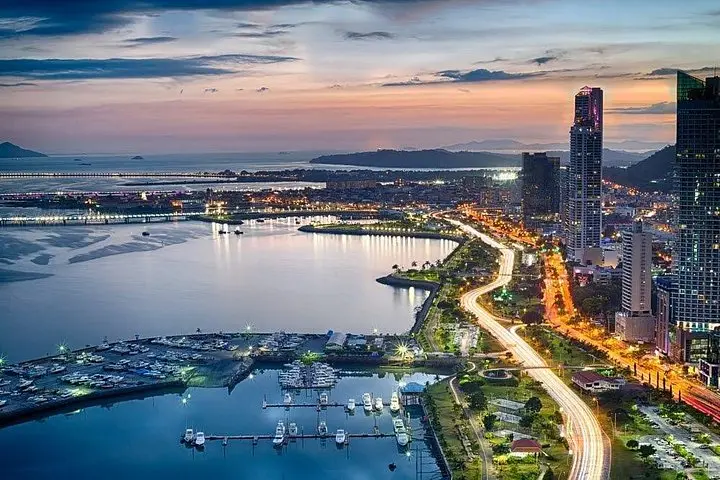
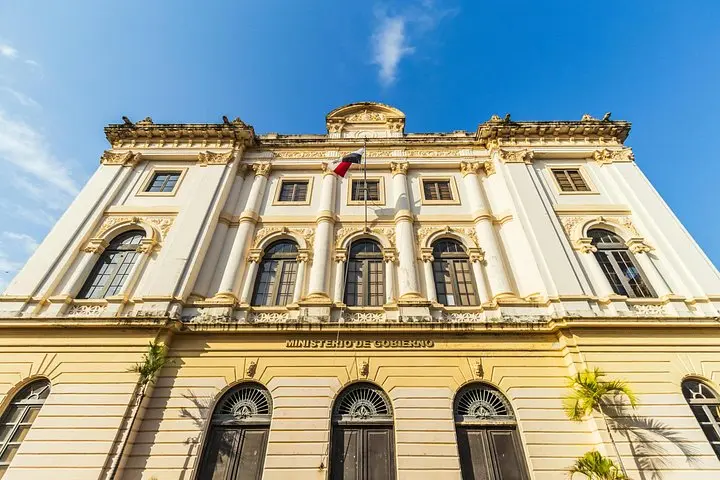
A morning in Casco Antiguo opens with trolley bells and the Atlantic breeze threading between low-rise colonial facades; the cobbles underfoot click with the rhythm of a city that rebuilt itself. The private walking tour moves deliberately through plazas and narrow lanes, pausing at the Panama Cathedral’s quiet stone stairs and then to the baroque richness of the Church of San José, where the Golden Altar gleams like a survivor’s medal.
A morning in Casco Antiguo opens with trolley bells and the Atlantic breeze threading between low-rise colonial facades; the cobbles underfoot click with the rhythm of a city that rebuilt itself. The private walking tour moves deliberately through plazas and narrow lanes, pausing at the Panama Cathedral’s quiet stone stairs and then to the baroque richness of the Church of San José, where the Golden Altar gleams like a survivor’s medal.
Casco Viejo was laid out after the 1671 destruction of Panamá Viejo and became the administrative and cultural heart during the Spanish colonial and republican eras. The neighborhood’s bones mix Spanish colonial planning, French-influenced public spaces and 20th‑century republican architecture—evidence of seismic shifts, trade, and migration. Stone arches and the remains of defensive walls speak to a coastline shaped by geopolitics as much as tides.
Cultural rhythms are tangible: vendors at Independence Plaza, musicians in Plaza Francia, and the layered smells of coffee and ceviche. Guides typically weave stories about independence, the canal’s builders, and the convent ruins that reveal how earthquakes and time reshaped the urban fabric.
Practically, the tour is two hours of urban walking over uneven cobbles and short flights of steps—bring sun protection, comfortable closed-toe shoes, and a light rain layer in the wet season. The compact scale makes it accessible for most fitness levels, but mobility issues can complicate side streets. Timing is key: mornings are cooler and less crowded; late afternoons light casts façades into sharp relief. Respect active worship sites and local vendors—this is a living neighborhood, not a staged museum.