THE ADVENTURE COLLECTIVE® · Independent discovery and booking for outdoor travel

Glide past Civil War forts, classic lighthouses and sun-warmed seal rocks on a two-hour cruise out of Portland. This Casco Bay tour pairs close-up maritime history with chances to spot seals and seabirds from the water.
Glide past Civil War forts, classic lighthouses and sun-warmed seal rocks on a two-hour cruise out of Portland. This Casco Bay tour pairs close-up maritime history with chances to spot seals and seabirds from the water.
The bow cuts a clean white wake across Casco Bay as gulls wheel overhead and the granite walls of Fort Gorges come into view—a squat, circular relic staring back at the mainland like an island-sized gear from another century. On a two-hour cruise from Fore Points Marina, the coastline of greater Portland unfolds in close-up: spark plug lighthouses, shear cliffs, and small rocky stages where seals haul out, sunning themselves into indolent poses while the boat’s hum keeps a respectful distance.
Verified experiences and guided adventures in the surrounding area.
Operated by Matthew Ayres · Portland, Maine
The bow cuts a clean white wake across Casco Bay as gulls wheel overhead and the granite walls of Fort Gorges come into view—a squat, circular relic staring back at the mainland like an island-sized gear from another century. On a two-hour cruise from Fore Points Marina, the coastline of greater Portland unfolds in close-up: spark plug lighthouses, shear cliffs, and small rocky stages where seals haul out, sunning themselves into indolent poses while the boat’s hum keeps a respectful distance.
This stretch of Maine shoreline is as much human-made as it is natural. Fort Gorges, visible early on, was built during the Civil War on a tiny shoal to guard Portland Harbor; its granite blocks and low casemates are reminders of 19th-century coastal defense. Lighthouses—Spring Point Ledge, Portland Head, Ram Island Ledge—trace the practical history of navigation here, each tower a response to fog, rocks and a long history of commerce and shipbuilding that made Portland one of New England’s major ports.
Geologically, Casco Bay is a glacially scoured mosaic: hard igneous and metamorphic bedrock rises abruptly from cold Atlantic water, creating cliffs that the waves perpetually test. Locals know the islands as the Calendar Islands—365 of them—each with its own character: wind-scoured ledges, spruce-stunted knolls, and summer cottages with flagpoles snapping in the breeze.
The best time to be on the water depends on what you want to see. Early morning light softens the cliffs; late afternoon brings long shadows and warm tones on the lighthouses. Guides time departures to tides when Fort Gorges landings are possible—this is a tide-specific perk, so plan ahead. Expect informative narration: maritime history, lighthouse lore, and local ecology woven into the route.
Practicalities: meet at Fore Points Marina by the white gates and blue picnic tables near the Narrow Gauge train; boarding and return are the same spot. Life jackets are provided for all ages; bring layers, a windproof shell, and non-slip shoes—the wind off the bay will push temperatures down even on sunny days. Binoculars and a zoom lens are useful for seal and bird watching; on calm days the boat edges close enough for great photographic angles of Portland Head Light and the White Head Cliffs on Cushing Island.
This tour balances sightseeing and quiet moments: the captain will circle Half Way Rock in hopes of seals, steer past Diamond Pass where ferries thread through summer traffic, and offer a rare water-level view of lighthouses most people see only from land. For a compact dose of Maine’s maritime fabric—history, geology, wildlife and working harbor life—it’s hard to beat two hours on Casco Bay.
Landing is possible but tide-dependent; contact the operator before booking to confirm your tour overlaps the specific low-tide window required for a safe landing.
Yes—appropriate life jackets are provided for adults and children; if bringing children under 10, message the operator with age and weight.
Infants must sit on an adult’s lap. The tour is described as physically easy, but boarding involves steps and may be difficult for those with limited mobility—ask about assistance when booking.
Service animals are allowed; other pets require prior approval—check with the operator before arrival.
Common sightings include harbor seals hauled out on rocks and a variety of seabirds such as common eiders and cormorants; sightings aren’t guaranteed.
Tours are canceled for bad weather; for a full refund cancel at least 24 hours before departure and operators will typically reschedule or refund if weather prevents sailing.
Matthew Ayres operates guided outdoor trips and adventures with an emphasis on safety, stewardship, and memorable experiences.
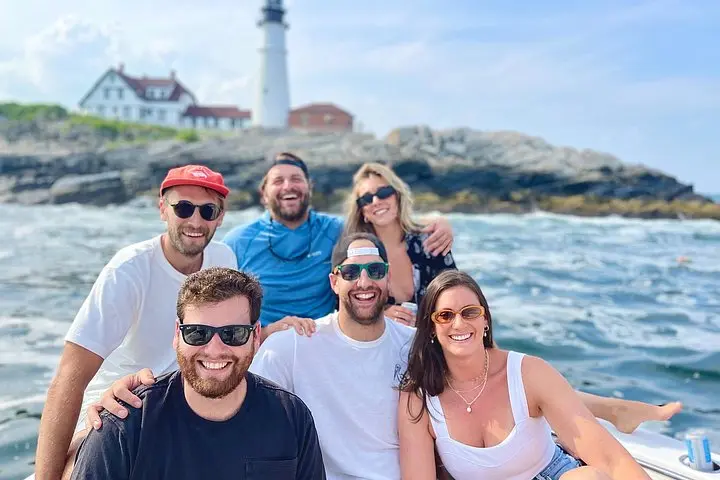
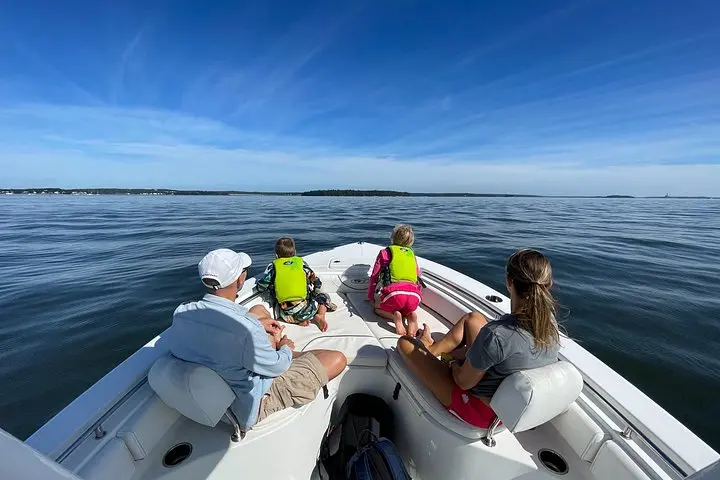
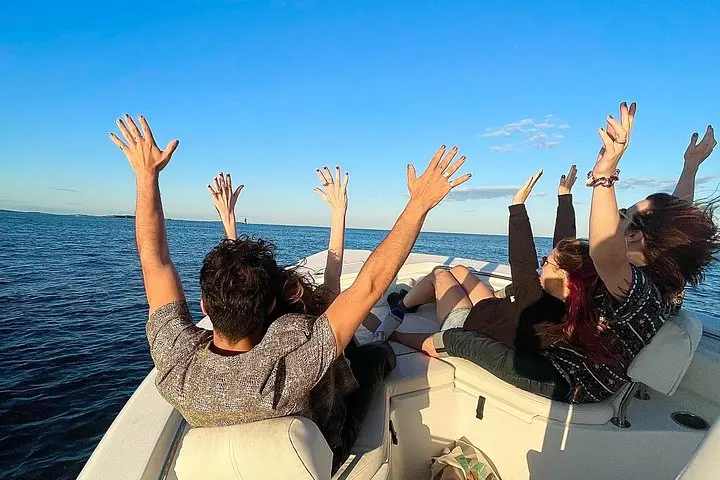
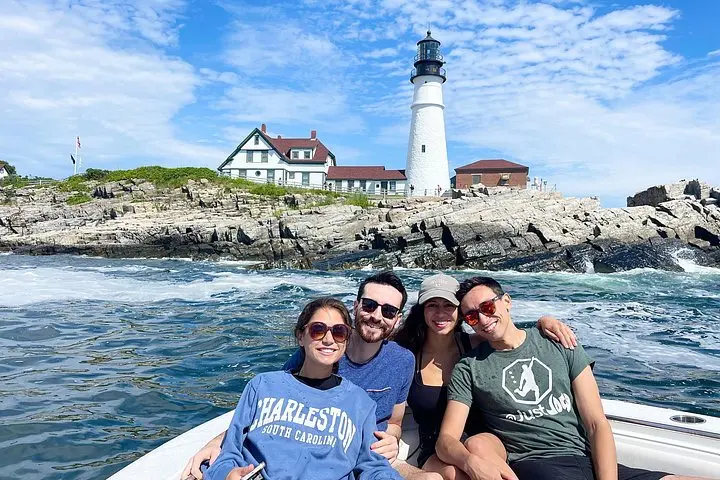
The bow cuts a clean white wake across Casco Bay as gulls wheel overhead and the granite walls of Fort Gorges come into view—a squat, circular relic staring back at the mainland like an island-sized gear from another century. On a two-hour cruise from Fore Points Marina, the coastline of greater Portland unfolds in close-up: spark plug lighthouses, shear cliffs, and small rocky stages where seals haul out, sunning themselves into indolent poses while the boat’s hum keeps a respectful distance.
The bow cuts a clean white wake across Casco Bay as gulls wheel overhead and the granite walls of Fort Gorges come into view—a squat, circular relic staring back at the mainland like an island-sized gear from another century. On a two-hour cruise from Fore Points Marina, the coastline of greater Portland unfolds in close-up: spark plug lighthouses, shear cliffs, and small rocky stages where seals haul out, sunning themselves into indolent poses while the boat’s hum keeps a respectful distance.
This stretch of Maine shoreline is as much human-made as it is natural. Fort Gorges, visible early on, was built during the Civil War on a tiny shoal to guard Portland Harbor; its granite blocks and low casemates are reminders of 19th-century coastal defense. Lighthouses—Spring Point Ledge, Portland Head, Ram Island Ledge—trace the practical history of navigation here, each tower a response to fog, rocks and a long history of commerce and shipbuilding that made Portland one of New England’s major ports.
Geologically, Casco Bay is a glacially scoured mosaic: hard igneous and metamorphic bedrock rises abruptly from cold Atlantic water, creating cliffs that the waves perpetually test. Locals know the islands as the Calendar Islands—365 of them—each with its own character: wind-scoured ledges, spruce-stunted knolls, and summer cottages with flagpoles snapping in the breeze.
The best time to be on the water depends on what you want to see. Early morning light softens the cliffs; late afternoon brings long shadows and warm tones on the lighthouses. Guides time departures to tides when Fort Gorges landings are possible—this is a tide-specific perk, so plan ahead. Expect informative narration: maritime history, lighthouse lore, and local ecology woven into the route.
Practicalities: meet at Fore Points Marina by the white gates and blue picnic tables near the Narrow Gauge train; boarding and return are the same spot. Life jackets are provided for all ages; bring layers, a windproof shell, and non-slip shoes—the wind off the bay will push temperatures down even on sunny days. Binoculars and a zoom lens are useful for seal and bird watching; on calm days the boat edges close enough for great photographic angles of Portland Head Light and the White Head Cliffs on Cushing Island.
This tour balances sightseeing and quiet moments: the captain will circle Half Way Rock in hopes of seals, steer past Diamond Pass where ferries thread through summer traffic, and offer a rare water-level view of lighthouses most people see only from land. For a compact dose of Maine’s maritime fabric—history, geology, wildlife and working harbor life—it’s hard to beat two hours on Casco Bay.