THE ADVENTURE COLLECTIVE® · Independent discovery and booking for outdoor travel

Walk Casco Viejo’s sunlit plazas, colonial churches, and hidden courtyards on a private two-hour guided tour that connects Panama’s colonial past to its present-day revival. Expect cobbles, rooftop views, and focused local history.
Walk Casco Viejo’s sunlit plazas, colonial churches, and hidden courtyards on a private two-hour guided tour that connects Panama’s colonial past to its present-day revival. Expect cobbles, rooftop views, and focused local history.
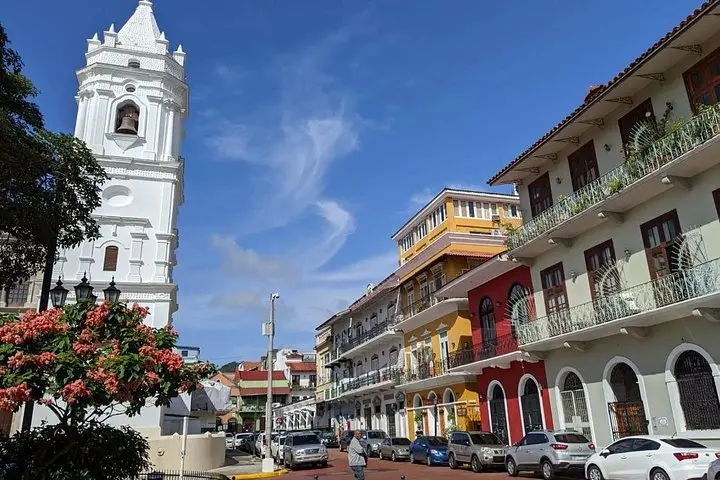
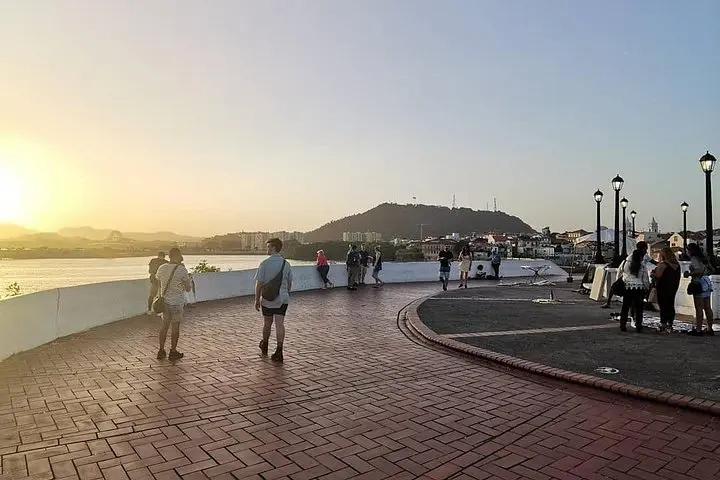
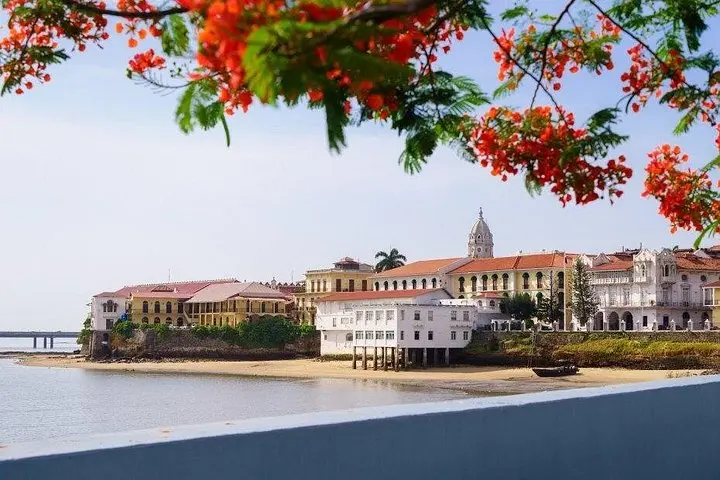
You step into a plaza where the sea smells like metal and citrus, and cobblestones keep time with clacking shoes. In Casco Viejo—Panama City’s compact colonial quarter—an expert guide threads you through narrow alleys, across plazas rimmed by faded stucco, and up to rooftops that frame the bay and the modern skyline beyond.
Verified experiences and guided adventures in the surrounding area.
Operated by RD TOUR PTY · Panama City, Panama Province
You step into a plaza where the sea smells like metal and citrus, and cobblestones keep time with clacking shoes. In Casco Viejo—Panama City’s compact colonial quarter—an expert guide threads you through narrow alleys, across plazas rimmed by faded stucco, and up to rooftops that frame the bay and the modern skyline beyond.
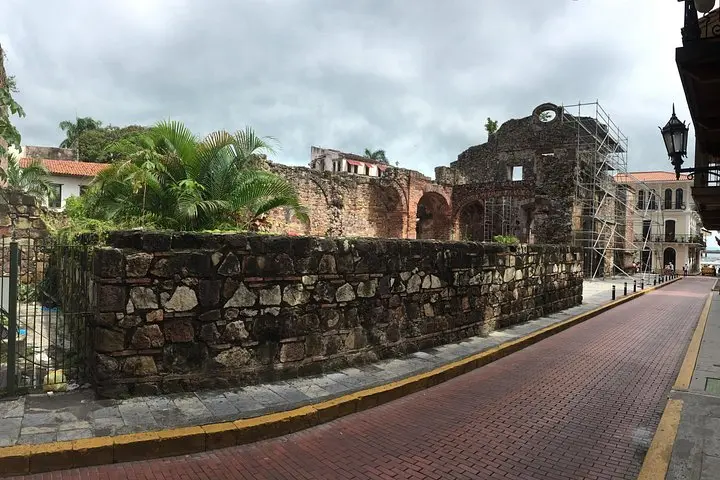
Built after the 1671 sacking of Panamá Viejo and rebuilt on the peninsula, Casco Viejo mixes Spanish, French and early Republican architecture. The tour highlights key civic squares, colonial churches such as San Francisco and San Felipe Neri, and monuments like the Tomas Herrera marker that anchor Panama’s independence narrative. The geology is simple: reclaimed low-lying limestone and landfill meet the Pacific estuary, a ground plane that explains low parapets and raised entrances.
Culturally the neighborhood pulses with contemporary art, rooftop cafés, and restoration projects; expect conversation about preservation, gentrification, and local crafts as much as dates and names.
Practical guidance: wear sturdy walking shoes for uneven cobbles, bring a hat and 1 L of water, and carry local-currency small bills for quick café stops. The route is about 1–2 miles total across two hours with frequent stops; physical strain is moderate but steady. Mornings are best for cooler light and fewer crowds; afternoons can be hot and rainy in the wet season. Photography is plentiful—respect private courtyards and signage when a building is off-limits.
This tour works well as an intro to Panama City’s history and is ideal for travelers who want a compact, walkable immersion into a living UNESCO neighborhood.
About 1–2 miles over two hours with frequent stops at plazas and churches; expect cobbles and a few short staircases.
Meet at the Tomas Herrera monument in front of Casa Casco; the tour typically loops back to the same meeting point.
Children are welcome with an adult; people with limited mobility should note narrow streets and uneven surfaces—contact the operator to assess accessibility options.
Tours may be multi-lingual or operated in Spanish and English depending on guide availability; confirm at booking.
RD TOUR PTY operates guided outdoor trips and adventures with an emphasis on safety, stewardship, and memorable experiences.
You step into a plaza where the sea smells like metal and citrus, and cobblestones keep time with clacking shoes. In Casco Viejo—Panama City’s compact colonial quarter—an expert guide threads you through narrow alleys, across plazas rimmed by faded stucco, and up to rooftops that frame the bay and the modern skyline beyond.
You step into a plaza where the sea smells like metal and citrus, and cobblestones keep time with clacking shoes. In Casco Viejo—Panama City’s compact colonial quarter—an expert guide threads you through narrow alleys, across plazas rimmed by faded stucco, and up to rooftops that frame the bay and the modern skyline beyond.
Built after the 1671 sacking of Panamá Viejo and rebuilt on the peninsula, Casco Viejo mixes Spanish, French and early Republican architecture. The tour highlights key civic squares, colonial churches such as San Francisco and San Felipe Neri, and monuments like the Tomas Herrera marker that anchor Panama’s independence narrative. The geology is simple: reclaimed low-lying limestone and landfill meet the Pacific estuary, a ground plane that explains low parapets and raised entrances.
Culturally the neighborhood pulses with contemporary art, rooftop cafés, and restoration projects; expect conversation about preservation, gentrification, and local crafts as much as dates and names.
Practical guidance: wear sturdy walking shoes for uneven cobbles, bring a hat and 1 L of water, and carry local-currency small bills for quick café stops. The route is about 1–2 miles total across two hours with frequent stops; physical strain is moderate but steady. Mornings are best for cooler light and fewer crowds; afternoons can be hot and rainy in the wet season. Photography is plentiful—respect private courtyards and signage when a building is off-limits.
This tour works well as an intro to Panama City’s history and is ideal for travelers who want a compact, walkable immersion into a living UNESCO neighborhood.