THE ADVENTURE COLLECTIVE® · Independent discovery and booking for outdoor travel

Walk Casco Viejo with a local guide, tracing colonial fortifications, churches and canalside viewpoints before enjoying a reserved lunch. Ideal for first-time visitors who want history, food and easy walking in Panama City.
Walk Casco Viejo with a local guide, tracing colonial fortifications, churches and canalside viewpoints before enjoying a reserved lunch. Ideal for first-time visitors who want history, food and easy walking in Panama City.
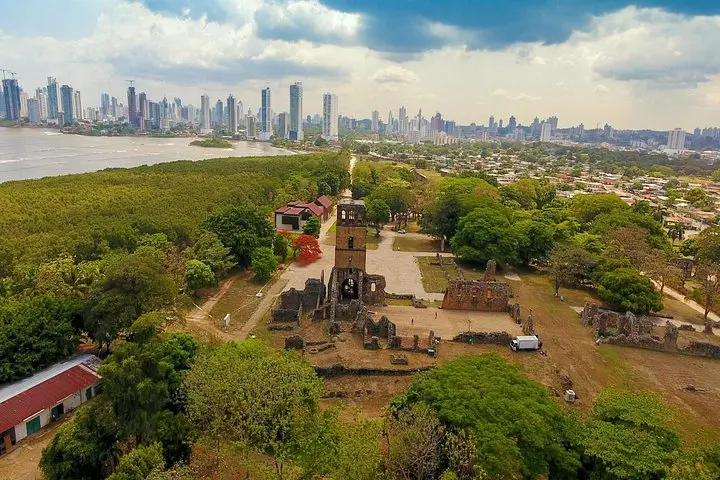
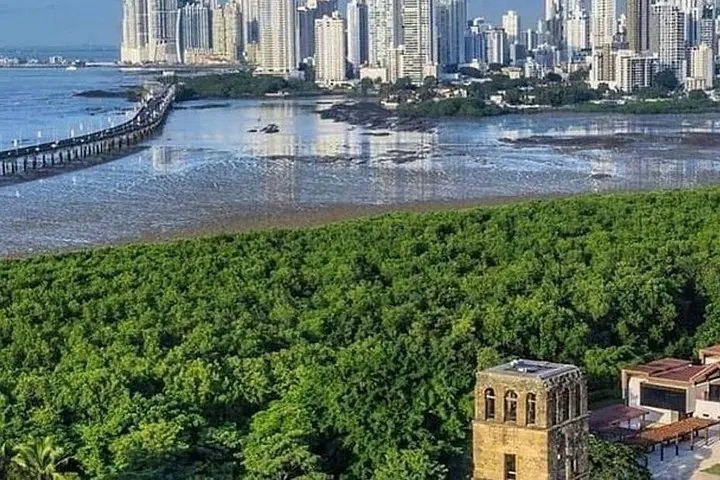
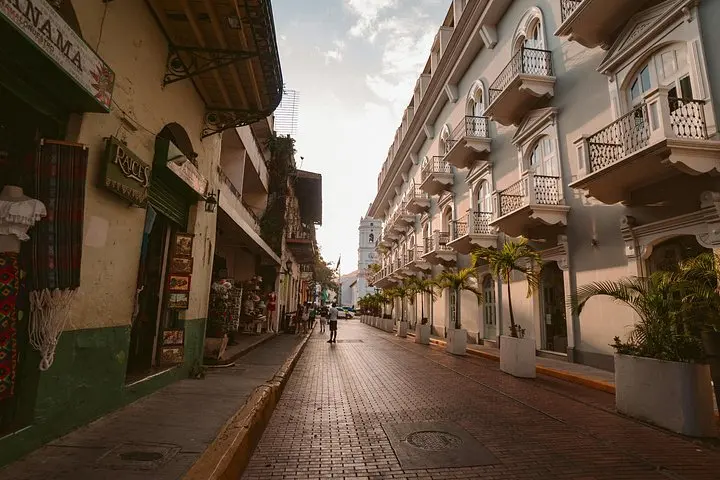
A morning in Casco Viejo begins at the Plaza de Francia, where the ocean’s edge frames the colonial stones and hawkers arrange colorful molas and leather goods. The guide lifts a map, and the neighborhood opens: narrow cobbled lanes, shuttered facades patched with bright paint, and the occasional church bell marking the pace. The walk moves from the defensive vaults of Las Bóvedas past the Arco Chato’s remaining stones to the gilded altar of Iglesia de San José — local stories and architecture speaking as loudly as the sea.
Verified experiences and guided adventures in the surrounding area.
Operated by Visit Panama Tours · Panama City, Panamá Province
A morning in Casco Viejo begins at the Plaza de Francia, where the ocean’s edge frames the colonial stones and hawkers arrange colorful molas and leather goods. The guide lifts a map, and the neighborhood opens: narrow cobbled lanes, shuttered facades patched with bright paint, and the occasional church bell marking the pace. The walk moves from the defensive vaults of Las Bóvedas past the Arco Chato’s remaining stones to the gilded altar of Iglesia de San José — local stories and architecture speaking as loudly as the sea.
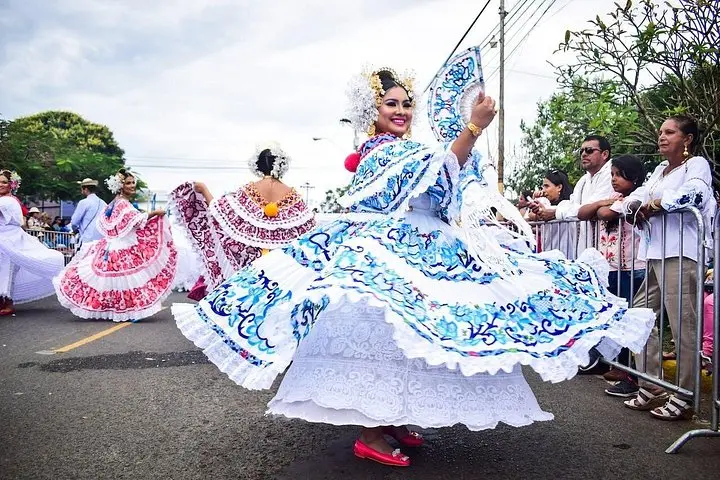
Casco Viejo was founded in the late 17th century after Panama Viejo fell; its blocks mix Spanish, French and Republican-era architecture and were designated a UNESCO World Heritage site in 1997. Geologically, the peninsula sits on reclaimed and bedrock areas shaped by coastal processes, so expect uneven paving and panoramic waterfront views. Culture here is hands-on: artisans, street food stalls, and the Canal Museum that traces the engineering that reshaped global trade.
Practically, the tour covers roughly 2–3 km at a relaxed pace over about five hours, ending with a restaurant lunch (drinks non-alcoholic included). Wear sturdy walking shoes for cobbles and light rain protection in wet season. Bring cash for small purchases and notify the operator of dietary needs 72 hours ahead — restaurant reservations are required. The guide’s commentary threads history, architecture and contemporary life, making this an efficient, low-impact way to read Panama City’s layered story.
The tour runs about five hours total and concludes with lunch at Tantalo Hotel Kitchen or a comparable restaurant.
Lunch is included along with water, soft drink, fresh juice and coffee or tea; alcoholic drinks are not included.
The tour notes wheelchair and stroller accessibility, but some cobbled sections may be challenging—contact the operator if accessibility is a primary concern.
Yes—special diets must be emailed at least 72 hours before departure to ensure the restaurant can accommodate you.
Visit Panama Tours operates guided outdoor trips and adventures with an emphasis on safety, stewardship, and memorable experiences.
A morning in Casco Viejo begins at the Plaza de Francia, where the ocean’s edge frames the colonial stones and hawkers arrange colorful molas and leather goods. The guide lifts a map, and the neighborhood opens: narrow cobbled lanes, shuttered facades patched with bright paint, and the occasional church bell marking the pace. The walk moves from the defensive vaults of Las Bóvedas past the Arco Chato’s remaining stones to the gilded altar of Iglesia de San José — local stories and architecture speaking as loudly as the sea.
A morning in Casco Viejo begins at the Plaza de Francia, where the ocean’s edge frames the colonial stones and hawkers arrange colorful molas and leather goods. The guide lifts a map, and the neighborhood opens: narrow cobbled lanes, shuttered facades patched with bright paint, and the occasional church bell marking the pace. The walk moves from the defensive vaults of Las Bóvedas past the Arco Chato’s remaining stones to the gilded altar of Iglesia de San José — local stories and architecture speaking as loudly as the sea.
Casco Viejo was founded in the late 17th century after Panama Viejo fell; its blocks mix Spanish, French and Republican-era architecture and were designated a UNESCO World Heritage site in 1997. Geologically, the peninsula sits on reclaimed and bedrock areas shaped by coastal processes, so expect uneven paving and panoramic waterfront views. Culture here is hands-on: artisans, street food stalls, and the Canal Museum that traces the engineering that reshaped global trade.
Practically, the tour covers roughly 2–3 km at a relaxed pace over about five hours, ending with a restaurant lunch (drinks non-alcoholic included). Wear sturdy walking shoes for cobbles and light rain protection in wet season. Bring cash for small purchases and notify the operator of dietary needs 72 hours ahead — restaurant reservations are required. The guide’s commentary threads history, architecture and contemporary life, making this an efficient, low-impact way to read Panama City’s layered story.