THE ADVENTURE COLLECTIVE® · Independent discovery and booking for outdoor travel

Walk the streets where modern queer political power in America took shape. This 90-minute Castro District tour traces lives, storefronts, and memorials tied to Harvey Milk, HIV/AIDS activism, and the community that built them.
Walk the streets where modern queer political power in America took shape. This 90-minute Castro District tour traces lives, storefronts, and memorials tied to Harvey Milk, HIV/AIDS activism, and the community that built them.
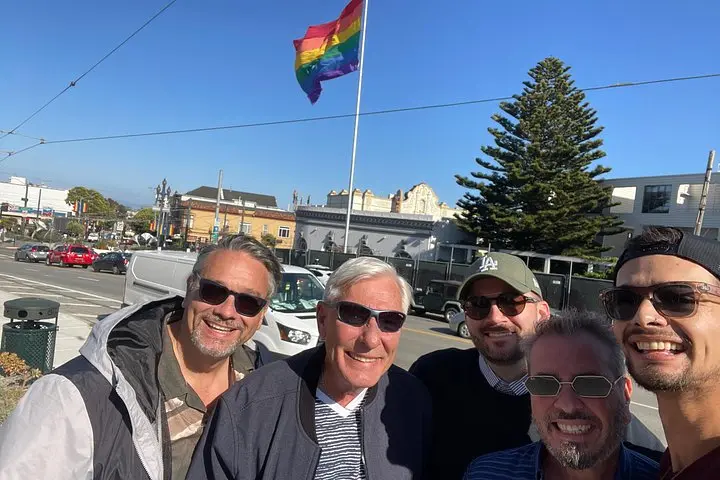
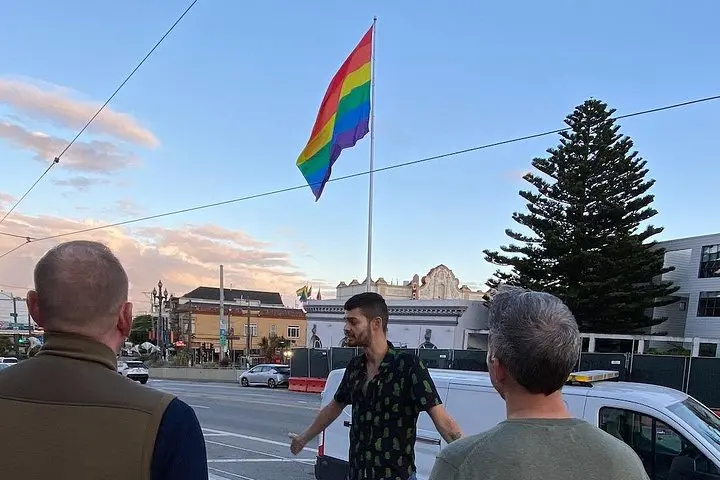
Fog thins over Castro Street and the colors of the rainbow flag take on a sharper edge — storefronts open, a streetcar clatters nearby, and the neighborhood begins to speak in the clear, human voices of its history.
Verified experiences and guided adventures in the surrounding area.
Operated by The Native Experience · San Francisco, California
Fog thins over Castro Street and the colors of the rainbow flag take on a sharper edge — storefronts open, a streetcar clatters nearby, and the neighborhood begins to speak in the clear, human voices of its history.
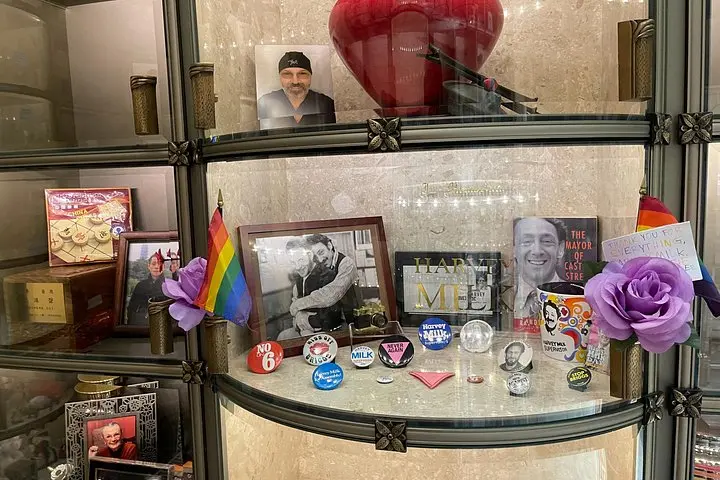
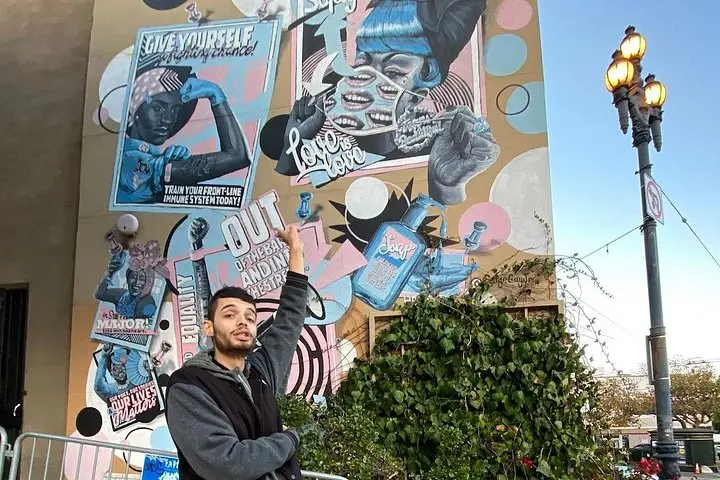
This 90-minute walking tour moves along the Castro's steep, grid-cut streets and past key sites where activism and daily life intersected. You'll stand where activists gathered to change policy, pass the camera shop and campaign headquarters of Harvey Milk, and see the small but powerful memorials to lives lost during the Holocaust and the HIV/AIDS crisis.
San Francisco's geology is never far from the story: the neighborhood sits on uplifted marine terraces carved by tectonic forces and fog that seems to press the city into a compact, walkable theater. Culturally, the Castro evolved from a working-class family district into a globally recognized gay neighborhood through organizing, businesses that hired openly, and visible public life.
Expect a mix of archived photographs, streetfront stories, and film references — the guide ties local anecdotes to larger civil-rights shifts. The tour is wheelchair accessible and suitable for most fitness levels; pathways are paved but can include short slopes.
Practical notes: aim for morning or late afternoon to avoid crowds; bring layers for coastal wind and a charged phone for photos. Public transit (MUNI) and nearby parking are available, and the route keeps stops compact so the focus stays on people and place rather than a long walk. Leave time afterward to explore local cafes and the GLBT History Museum if you can.
Yes — the tour lists wheelchair-accessible routes and surfaces; notify the operator of needs when booking.
Most stops are viewable from public sidewalks; the GLBT History Museum may be visited separately and can require its own admission.
Meet near Harvey Milk Plaza or the designated Castro Street landmark provided on your booking confirmation; arrive 10 minutes early.
Full refunds are available if you cancel at least 24 hours before the scheduled departure time.
The Native Experience operates guided outdoor trips and adventures with an emphasis on safety, stewardship, and memorable experiences.
Fog thins over Castro Street and the colors of the rainbow flag take on a sharper edge — storefronts open, a streetcar clatters nearby, and the neighborhood begins to speak in the clear, human voices of its history.
Fog thins over Castro Street and the colors of the rainbow flag take on a sharper edge — storefronts open, a streetcar clatters nearby, and the neighborhood begins to speak in the clear, human voices of its history.
This 90-minute walking tour moves along the Castro's steep, grid-cut streets and past key sites where activism and daily life intersected. You'll stand where activists gathered to change policy, pass the camera shop and campaign headquarters of Harvey Milk, and see the small but powerful memorials to lives lost during the Holocaust and the HIV/AIDS crisis.
San Francisco's geology is never far from the story: the neighborhood sits on uplifted marine terraces carved by tectonic forces and fog that seems to press the city into a compact, walkable theater. Culturally, the Castro evolved from a working-class family district into a globally recognized gay neighborhood through organizing, businesses that hired openly, and visible public life.
Expect a mix of archived photographs, streetfront stories, and film references — the guide ties local anecdotes to larger civil-rights shifts. The tour is wheelchair accessible and suitable for most fitness levels; pathways are paved but can include short slopes.
Practical notes: aim for morning or late afternoon to avoid crowds; bring layers for coastal wind and a charged phone for photos. Public transit (MUNI) and nearby parking are available, and the route keeps stops compact so the focus stays on people and place rather than a long walk. Leave time afterward to explore local cafes and the GLBT History Museum if you can.