THE ADVENTURE COLLECTIVE® · Independent discovery and booking for outdoor travel

A day trip from La Romana to Catalina Island delivers easy snorkeling over protected reefs, a Dominican lunch, and relaxed boat transit. Ideal for first-time snorkelers and reef lovers who want clear water and abundant fish without a long open-ocean crossing.
A day trip from La Romana to Catalina Island delivers easy snorkeling over protected reefs, a Dominican lunch, and relaxed boat transit. Ideal for first-time snorkelers and reef lovers who want clear water and abundant fish without a long open-ocean crossing.
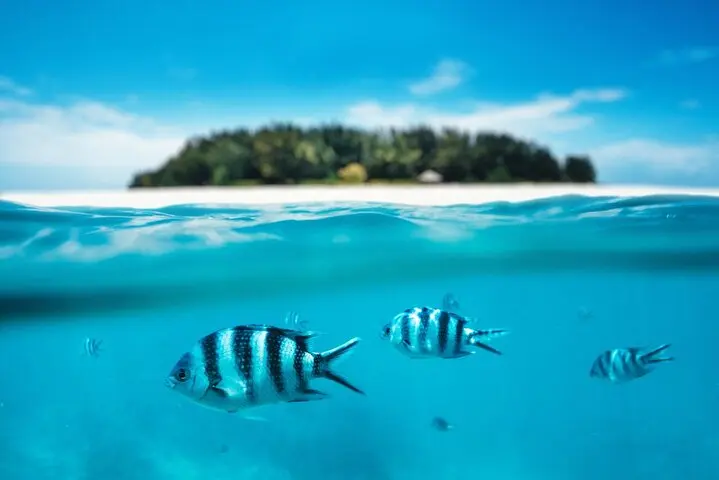
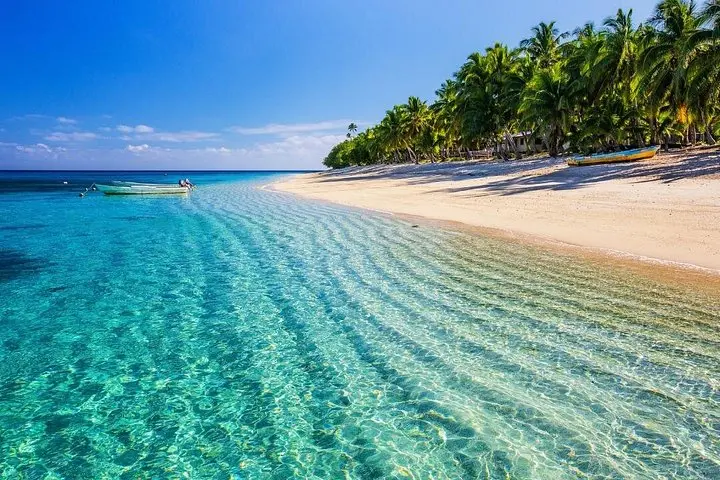
The catamaran slips away from La Romana and the sea opens like a fast-moving plain; the wind pushes the bow and the sun polishes the water into a hard silver. Within an hour the shoreline blurs and Catalina Island appears: low, limestone edges ringed by shallow reefs that pulse with color.
Verified experiences and guided adventures in the surrounding area.
Operated by PUNTACA TOURS · La Romana, La Romana Province
The catamaran slips away from La Romana and the sea opens like a fast-moving plain; the wind pushes the bow and the sun polishes the water into a hard silver. Within an hour the shoreline blurs and Catalina Island appears: low, limestone edges ringed by shallow reefs that pulse with color.
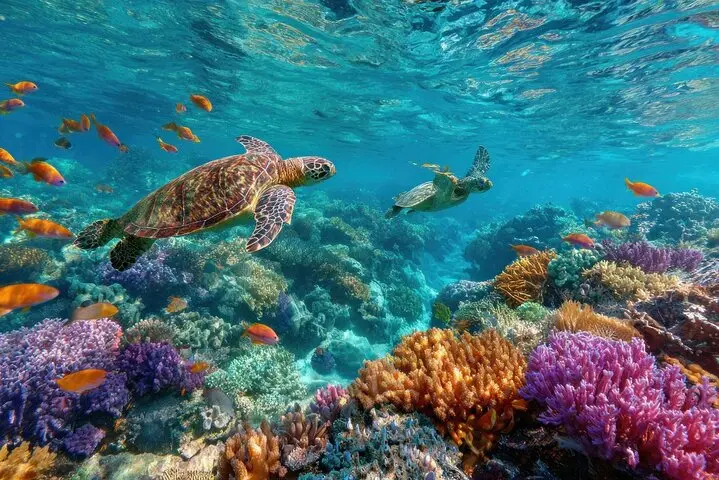
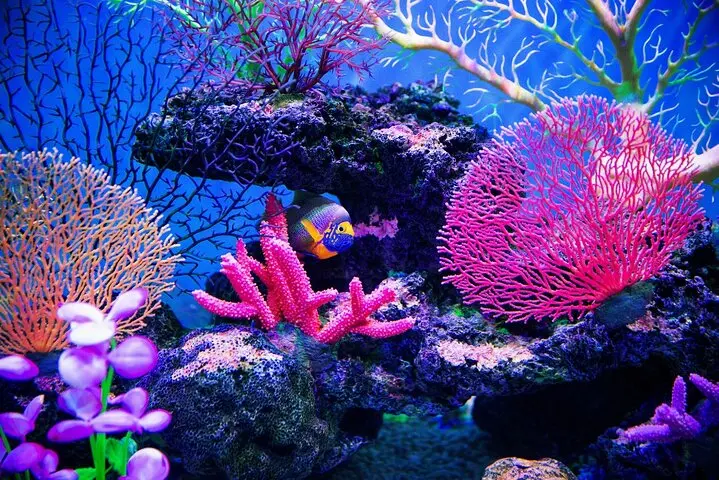
Catalina sits off the southeastern Dominican coast and has been a fishing ground and waypoint since colonial times; its reefs are part of a larger coral system shaped by reef-building organisms and the currents of the Caribbean Sea. Today the island is valued for protected reef patches and clear snorkeling basins where parrotfish, angelfish and waving brain corals are common.
On this full-day excursion travelers can expect guided snorkeling sessions at shallow reefs, a barbecue-style Dominican lunch, an open bar on board, and a stop at a natural sandbar for wading. The boat transit is social and often musical—crew lead briefings to orient first-time snorkelers and point out tidal patterns and coral safety. Terrain on the island is minimal walking on sand and rock; water entry is usually from small boats or gentle sand slopes.
Practical notes: bring reef-safe sunscreen, a thin neoprene top or rashguard for sun and chafe protection, and water shoes for rocky shallows. If you’re prone to seasickness, plan to take preventive medication and sit midship. Mornings typically offer calmer seas and clearer water for visibility, so early departures are best for photographers and first-time snorkelers.
Yes—basic snorkel masks, fins and life vests are provided and staff will assist beginners during orientation.
Transfers from Punta Cana hotels are commonly included; the tour also embarks from La Romana port with air-conditioned transport pickups listed in the itinerary.
Non-swimmers can participate with life vests and shallow guided snorkeling, but children should be supervised and meet operator age and safety rules.
Operators monitor conditions—if seas are unsafe they typically reschedule or refund according to their cancellation policy; brief showers rarely stop snorkeling if wind and swell are low.
PUNTACA TOURS operates guided outdoor trips and adventures with an emphasis on safety, stewardship, and memorable experiences.
The catamaran slips away from La Romana and the sea opens like a fast-moving plain; the wind pushes the bow and the sun polishes the water into a hard silver. Within an hour the shoreline blurs and Catalina Island appears: low, limestone edges ringed by shallow reefs that pulse with color.
The catamaran slips away from La Romana and the sea opens like a fast-moving plain; the wind pushes the bow and the sun polishes the water into a hard silver. Within an hour the shoreline blurs and Catalina Island appears: low, limestone edges ringed by shallow reefs that pulse with color.
Catalina sits off the southeastern Dominican coast and has been a fishing ground and waypoint since colonial times; its reefs are part of a larger coral system shaped by reef-building organisms and the currents of the Caribbean Sea. Today the island is valued for protected reef patches and clear snorkeling basins where parrotfish, angelfish and waving brain corals are common.
On this full-day excursion travelers can expect guided snorkeling sessions at shallow reefs, a barbecue-style Dominican lunch, an open bar on board, and a stop at a natural sandbar for wading. The boat transit is social and often musical—crew lead briefings to orient first-time snorkelers and point out tidal patterns and coral safety. Terrain on the island is minimal walking on sand and rock; water entry is usually from small boats or gentle sand slopes.
Practical notes: bring reef-safe sunscreen, a thin neoprene top or rashguard for sun and chafe protection, and water shoes for rocky shallows. If you’re prone to seasickness, plan to take preventive medication and sit midship. Mornings typically offer calmer seas and clearer water for visibility, so early departures are best for photographers and first-time snorkelers.