THE ADVENTURE COLLECTIVE® · Independent discovery and booking for outdoor travel

Launch from Playa Flamingo for two guided dives at the volcanic Catalina Islands and North Island. Expect steep rock formations, variable currents, and encounters with mantas, rays and reef sharks on a half-day, certified-diver trip.
Launch from Playa Flamingo for two guided dives at the volcanic Catalina Islands and North Island. Expect steep rock formations, variable currents, and encounters with mantas, rays and reef sharks on a half-day, certified-diver trip.
You push off from Playa Flamingo just after dawn and the boat slides over glassy blue; the Pacific breathes cool and broad beneath your fins. In an hour the volcanic shoulders of the Catalina Islands rise—black rock shaped by old eruptions, alive with anemones and swaying fans. Currents here can be playful or insistent, daring you into drift lines where schools compress and rays wheel like dark kites.
Verified experiences and guided adventures in the surrounding area.
Operated by Pacific Coast Dive Center · Playa Flamingo, Guanacaste
You push off from Playa Flamingo just after dawn and the boat slides over glassy blue; the Pacific breathes cool and broad beneath your fins. In an hour the volcanic shoulders of the Catalina Islands rise—black rock shaped by old eruptions, alive with anemones and swaying fans. Currents here can be playful or insistent, daring you into drift lines where schools compress and rays wheel like dark kites.
Guanacaste’s north Pacific is volcanic—rocks and pinnacles formed by submarine lava set the stage for steep walls and sandy basins. The coastal towns grew from fishing and salt work; today local dive shops are an extension of that seafaring culture, blending practical know-how with conservation-minded guides. Catalina and North Island are known for their seasonal visitors—giant mantas and humpback whales migrate through these waters—while resident reef species include white-tip sharks, morays, nudibranchs and colorful reef fish.
Practically: tours depart from Flamingo around 7:30 a.m., run two dives (each ~40 minutes, typical working depth 18 m/60 ft), and return by midday. Water temps range roughly 16–30°C depending on season; visibility varies daily. Evidence of scuba certification is required for certified dives, and operators supply dive equipment, briefings and snacks.
Plan for an early start, reef-safe sunscreen, and a well-sealed personal mask if you prefer your own fit. Respect marine life—no touching corals or feeding animals—and listen closely to briefings about currents and exit points. With sensible preparation, these two-tank outings deliver concentrated, wildlife-rich dives in one efficient morning.
Yes—evidence of Open Water certification (or higher) is required for certified dives; some operators may offer intro dives for non-certified guests but confirm before booking.
Typical dives on this tour go to about 18 m (60 ft) with each bottom time up to ~40 minutes depending on air consumption and conditions.
Frequent sightings include white-tip reef sharks, rays, moray eels, nudibranchs and schools of tropical fish; mantas and whales are seasonal visitors and not guaranteed.
Full refund if cancelled at least 24 hours before departure; check your specific booking for exact terms and timing.
Pacific Coast Dive Center operates guided outdoor trips and adventures with an emphasis on safety, stewardship, and memorable experiences.
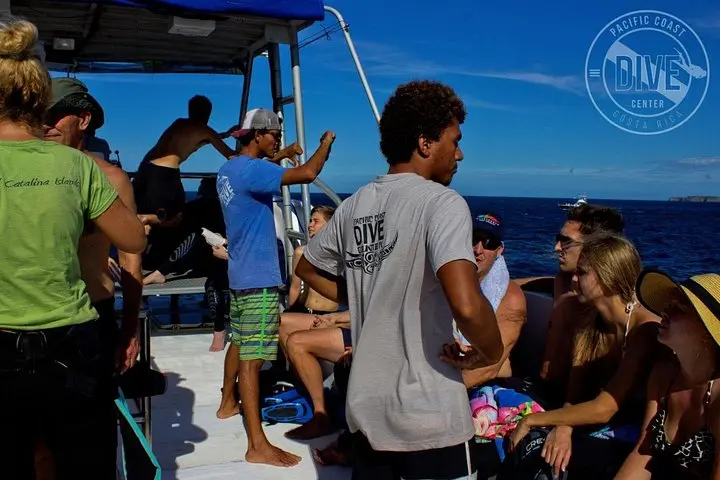
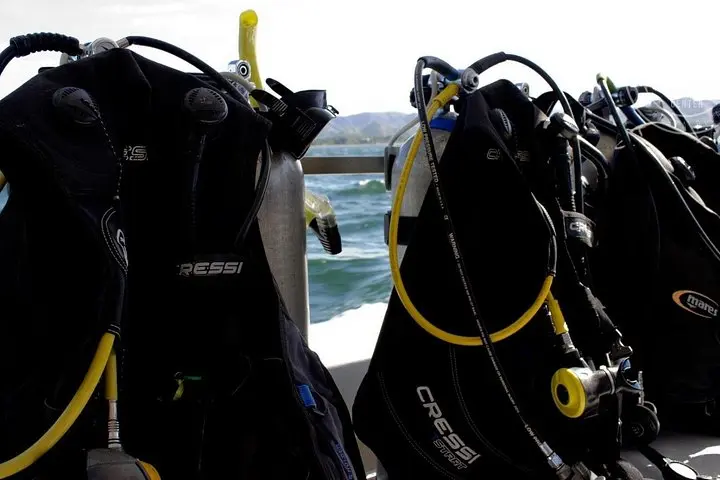
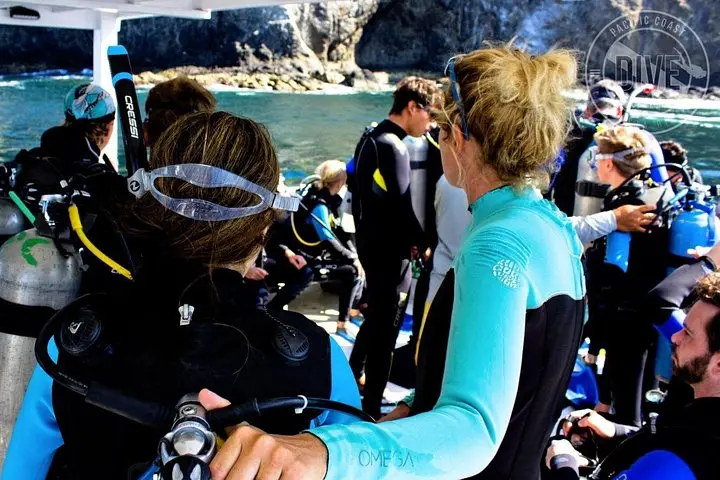
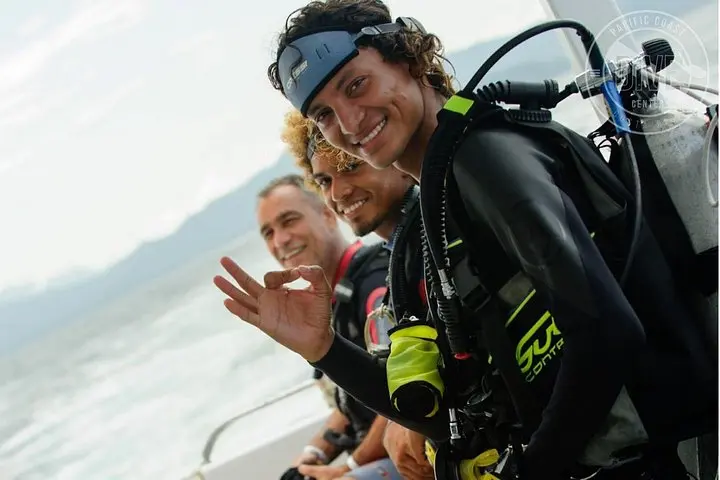
You push off from Playa Flamingo just after dawn and the boat slides over glassy blue; the Pacific breathes cool and broad beneath your fins. In an hour the volcanic shoulders of the Catalina Islands rise—black rock shaped by old eruptions, alive with anemones and swaying fans. Currents here can be playful or insistent, daring you into drift lines where schools compress and rays wheel like dark kites.
You push off from Playa Flamingo just after dawn and the boat slides over glassy blue; the Pacific breathes cool and broad beneath your fins. In an hour the volcanic shoulders of the Catalina Islands rise—black rock shaped by old eruptions, alive with anemones and swaying fans. Currents here can be playful or insistent, daring you into drift lines where schools compress and rays wheel like dark kites.
Guanacaste’s north Pacific is volcanic—rocks and pinnacles formed by submarine lava set the stage for steep walls and sandy basins. The coastal towns grew from fishing and salt work; today local dive shops are an extension of that seafaring culture, blending practical know-how with conservation-minded guides. Catalina and North Island are known for their seasonal visitors—giant mantas and humpback whales migrate through these waters—while resident reef species include white-tip sharks, morays, nudibranchs and colorful reef fish.
Practically: tours depart from Flamingo around 7:30 a.m., run two dives (each ~40 minutes, typical working depth 18 m/60 ft), and return by midday. Water temps range roughly 16–30°C depending on season; visibility varies daily. Evidence of scuba certification is required for certified dives, and operators supply dive equipment, briefings and snacks.
Plan for an early start, reef-safe sunscreen, and a well-sealed personal mask if you prefer your own fit. Respect marine life—no touching corals or feeding animals—and listen closely to briefings about currents and exit points. With sensible preparation, these two-tank outings deliver concentrated, wildlife-rich dives in one efficient morning.