THE ADVENTURE COLLECTIVE® · Independent discovery and booking for outdoor travel

Cross Lake Titicaca aboard a spacious catamaran from La Paz, visit Isla del Sol’s Inca stairways and the private INTI WATA complex, and experience a traditional totora raft—all in a 10-hour cultural day trip.
Cross Lake Titicaca aboard a spacious catamaran from La Paz, visit Isla del Sol’s Inca stairways and the private INTI WATA complex, and experience a traditional totora raft—all in a 10-hour cultural day trip.
You step off the minivan in Copacabana with the chill of the high plateau in your lungs and the lake spreading gray-blue to the horizon. The catamaran waits like a floating veranda—wide deck, sheltered cabin, and a crew who moves with practiced calm. As the bow parts the water, the wind pushes against your jacket and the Andes fold away into islands: small, wind-sculpted, storied.
Verified experiences and guided adventures in the surrounding area.
Operated by Joker Expedition, Bolivia. · Copacabana, La Paz
You step off the minivan in Copacabana with the chill of the high plateau in your lungs and the lake spreading gray-blue to the horizon. The catamaran waits like a floating veranda—wide deck, sheltered cabin, and a crew who moves with practiced calm. As the bow parts the water, the wind pushes against your jacket and the Andes fold away into islands: small, wind-sculpted, storied.
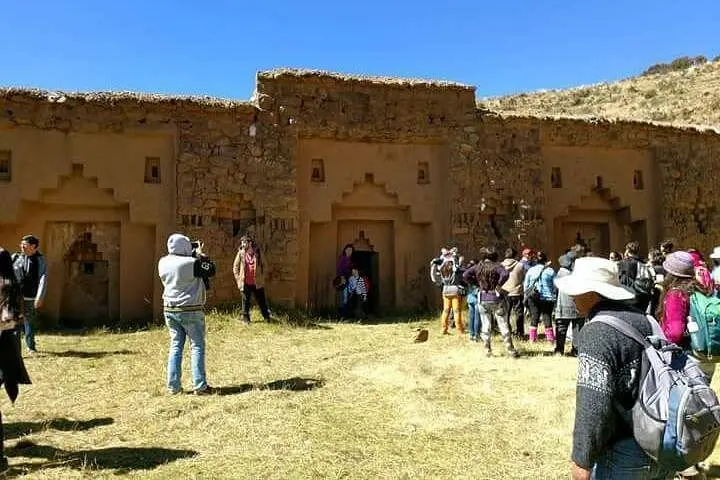
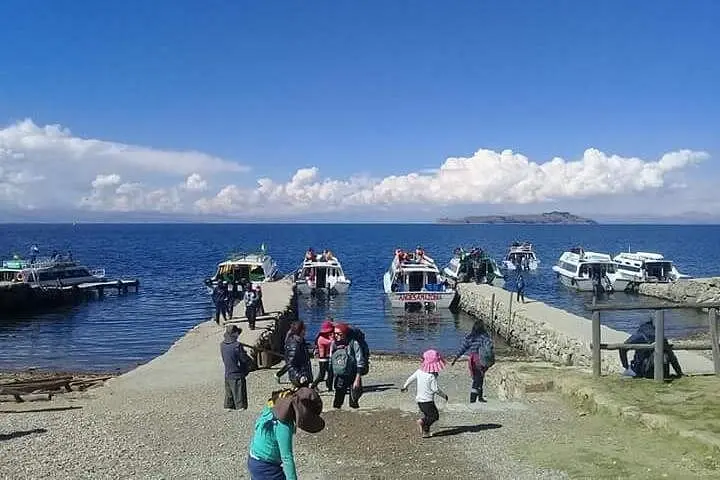
This is Lake Titicaca—3,812 meters above sea level—the highest navigable lake in the world and a landscape that shaped Andean life for millennia. The boat cuts past reed beds where totora reeds still rise, and you’ll soon see Isla del Sol, the sacred island where Inca origin myths were once animated in stone stairways and ritual fountains. The tour goes beyond views: a guided visit to Isla del Sol’s Inca stairways and the Fuente del Inca, followed by access to the private INTI WATA complex—an unusual cultural hub that blends a subterranean museum of Ekako, traditional medicine centers, totora raft-building demonstrations and a panoramic viewpoint at Manco Kapac.
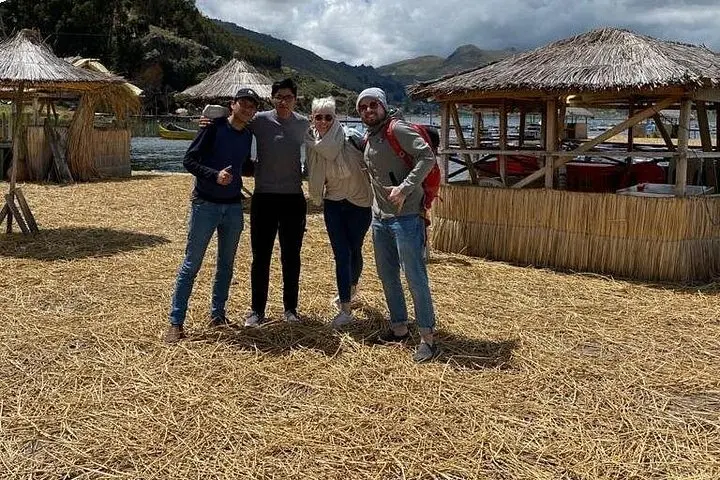
Geology here is blunt and elemental—the lake sits in a high plateau basin carved by ancient glacial and tectonic forces. Culture is equally visible: terraces cling to slopes, llamas and alpacas graze like moving ornaments, and local artisans weave patterns that map ancestry. The INTI WATA experience is the day’s unique draw: you board a huge totora raft, visit Pilkokaina’s palace from a distance, and watch traditional craft demonstrations that are often left off larger itineraries.
Practicalities shape the rhythm of the day. The full experience runs about 10 hours round-trip from La Paz with hotel pick-up and drop-off; expect an early start and a late return. Wear solid shoes to navigate cobbled island paths and steep stone steps, and dress in layers—sun can be fierce at noon but mornings and late afternoons are sharply cold. Hydrate well and plan at least 24–48 hours in La Paz to acclimatize; altitude is the real consideration, not fitness.
Onboard you’ll find snacks and a buffet lunch included, plus restroom facilities. Bring cash for small crafts, a good camera with a polarizer for lake glare, and motion-sickness remedies if you’re prone—the waves can pick up mid-lake. Accessibility is better than most regional tours: wheelchair-accessible transport is offered, but island terrain is uneven.
By evening the catamaran returns across a wide sheet of water that seems to reflect an entire sky. You disembark with cold hands, warm sun on your face, and a clearer sense of why this lake has been called sacred for so long: it continues to move people—figuratively and literally—across its long, patient surface.
The tour runs about 10 hours total with early morning pickup from La Paz hotels; exact pickup times vary by hotel and season.
Transport and the catamaran are wheelchair-accessible, but island sites include uneven terrain and steps that can limit access.
Yes—Lake Titicaca and La Paz are over 3,800 m and 3,600 m respectively; acclimatize first and consult a doctor if you have cardiovascular issues.
Lunch (buffet) and snacks are included on the cruise, as listed in the itinerary inclusions.
This catamaran cruise is notable for including INTI WATA; access on other routes is limited and often private.
Small tips for guides and crew are appreciated; bargaining is common at artisan stalls—start lower and be respectful.
Joker Expedition, Bolivia. operates guided outdoor trips and adventures with an emphasis on safety, stewardship, and memorable experiences.
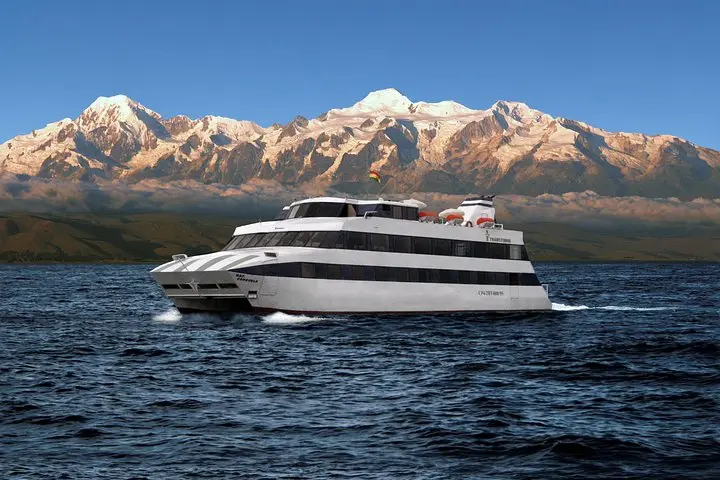
You step off the minivan in Copacabana with the chill of the high plateau in your lungs and the lake spreading gray-blue to the horizon. The catamaran waits like a floating veranda—wide deck, sheltered cabin, and a crew who moves with practiced calm. As the bow parts the water, the wind pushes against your jacket and the Andes fold away into islands: small, wind-sculpted, storied.
You step off the minivan in Copacabana with the chill of the high plateau in your lungs and the lake spreading gray-blue to the horizon. The catamaran waits like a floating veranda—wide deck, sheltered cabin, and a crew who moves with practiced calm. As the bow parts the water, the wind pushes against your jacket and the Andes fold away into islands: small, wind-sculpted, storied.
This is Lake Titicaca—3,812 meters above sea level—the highest navigable lake in the world and a landscape that shaped Andean life for millennia. The boat cuts past reed beds where totora reeds still rise, and you’ll soon see Isla del Sol, the sacred island where Inca origin myths were once animated in stone stairways and ritual fountains. The tour goes beyond views: a guided visit to Isla del Sol’s Inca stairways and the Fuente del Inca, followed by access to the private INTI WATA complex—an unusual cultural hub that blends a subterranean museum of Ekako, traditional medicine centers, totora raft-building demonstrations and a panoramic viewpoint at Manco Kapac.
Geology here is blunt and elemental—the lake sits in a high plateau basin carved by ancient glacial and tectonic forces. Culture is equally visible: terraces cling to slopes, llamas and alpacas graze like moving ornaments, and local artisans weave patterns that map ancestry. The INTI WATA experience is the day’s unique draw: you board a huge totora raft, visit Pilkokaina’s palace from a distance, and watch traditional craft demonstrations that are often left off larger itineraries.
Practicalities shape the rhythm of the day. The full experience runs about 10 hours round-trip from La Paz with hotel pick-up and drop-off; expect an early start and a late return. Wear solid shoes to navigate cobbled island paths and steep stone steps, and dress in layers—sun can be fierce at noon but mornings and late afternoons are sharply cold. Hydrate well and plan at least 24–48 hours in La Paz to acclimatize; altitude is the real consideration, not fitness.
Onboard you’ll find snacks and a buffet lunch included, plus restroom facilities. Bring cash for small crafts, a good camera with a polarizer for lake glare, and motion-sickness remedies if you’re prone—the waves can pick up mid-lake. Accessibility is better than most regional tours: wheelchair-accessible transport is offered, but island terrain is uneven.
By evening the catamaran returns across a wide sheet of water that seems to reflect an entire sky. You disembark with cold hands, warm sun on your face, and a clearer sense of why this lake has been called sacred for so long: it continues to move people—figuratively and literally—across its long, patient surface.