THE ADVENTURE COLLECTIVE® · Independent discovery and booking for outdoor travel

A half-day catamaran from Peniche delivers rugged coastal hiking, a historic fort, and guided cave passages—often with dolphins riding the bow. This practical guide explains what to expect on Berlenga Island and how to prepare.
A half-day catamaran from Peniche delivers rugged coastal hiking, a historic fort, and guided cave passages—often with dolphins riding the bow. This practical guide explains what to expect on Berlenga Island and how to prepare.
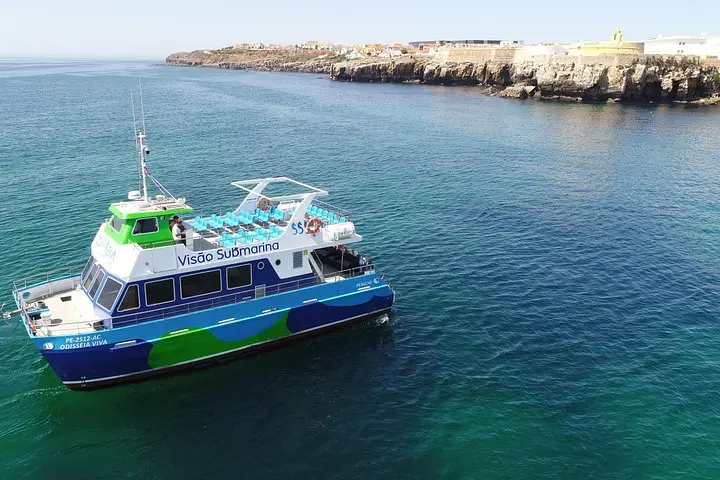
A low-slung catamaran slips away from Peniche harbor and the Atlantic immediately takes charge: wind pressing the sails, waves nudging the hull, currents sketching a path toward the Berlenga archipelago. Within an hour the mainland shrinks to a serrated line and Berlenga’s weathered cliffs emerge—sheer rock faces that dare you to come closer.
Verified experiences and guided adventures in the surrounding area.
Operated by Odisseia Viva · Peniche, Leiria
A low-slung catamaran slips away from Peniche harbor and the Atlantic immediately takes charge: wind pressing the sails, waves nudging the hull, currents sketching a path toward the Berlenga archipelago. Within an hour the mainland shrinks to a serrated line and Berlenga’s weathered cliffs emerge—sheer rock faces that dare you to come closer.
The archipelago sits about 5.7 miles off Peniche and was named a UNESCO Biosphere Reserve in 2011 for its rich seabird colonies and marine life. Geologically the islands are granite outcrops shaped by relentless Atlantic swell; narrow caves and blowholes carve light into shadow inside the shoreline. Culturally the main island carries a small human footprint: a 17th-century fort, the Farol da Berlenga lighthouse, and shuttered fishermen’s cottages that speak to an austere maritime past.
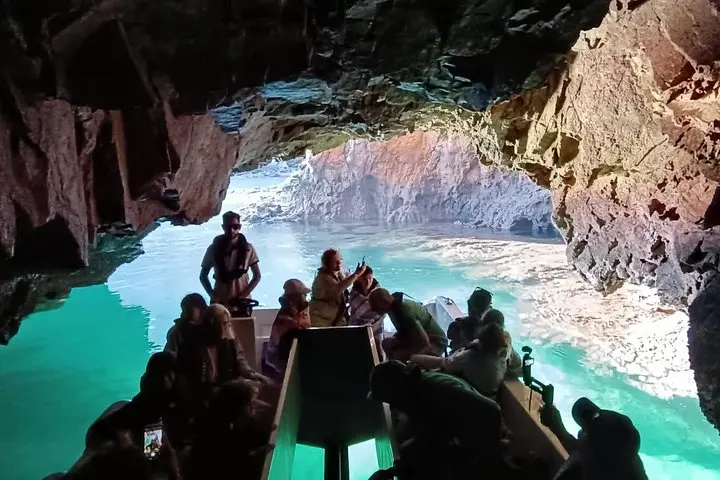
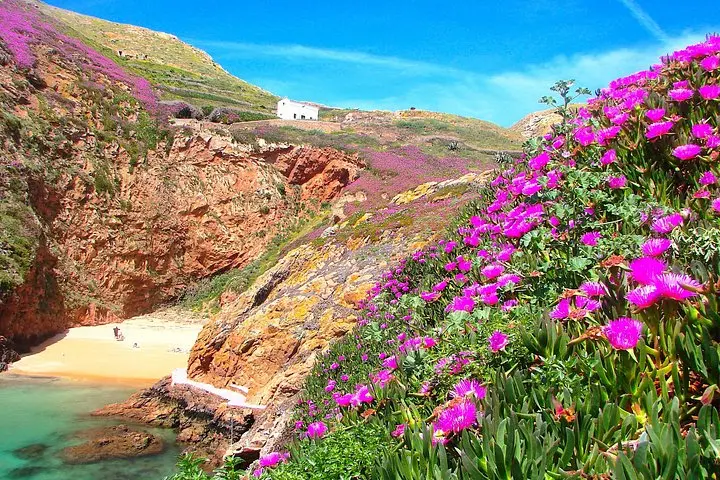
On this half-day outing expect a 4–5.5 hour window that combines a mini-cruise, guided cave passages—some viewed from a glass-bottom tender—and time ashore for brisk, rocky hikes. Trails are short but uneven; cliff-top lookouts reward every step with shearwater-filled skies and frequent dolphin escorts. The guide will point out nesting sites and the fort’s history while asking visitors to stay on signed paths—erosion and seabird protection are real concerns here.
Practical tips: check sea conditions before travel, wear sturdy shoes for talus and steps, and layer for wind and spray. Bring a small daypack with water, sun protection, and a camera; space on the island is limited and services sparse. The trip is an efficient way to pair light hiking with marine wildlife viewing and coastal cave exploration without an overnight commitment.
The crossing typically takes 30–50 minutes depending on sea state and vessel speed; allow 4–5.5 hours total for the excursion.
Cave viewing is done by a glass-bottom tender or from the catamaran; boarding tenders involves short steps and may be restricted in rough seas.
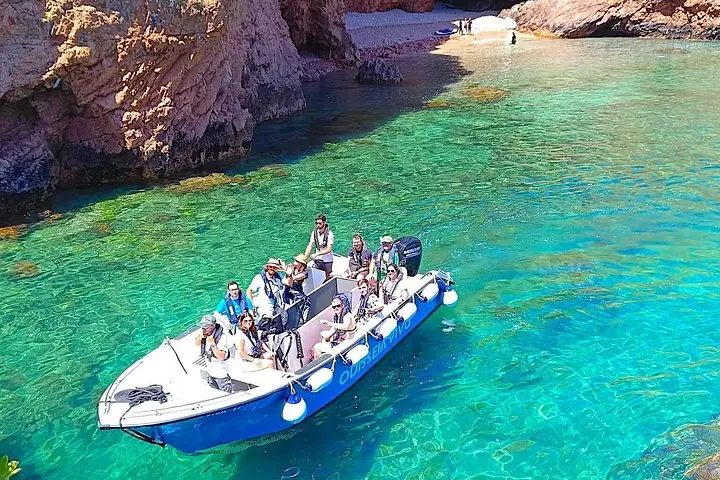
Swimming is possible from calm coves but currents can be strong; check with guides and avoid unsupervised swims—snorkeling equipment is not always provided.
Children can join but require supervision; the island’s uneven paths and stairs make it challenging for people with significant mobility limitations.
Odisseia Viva operates guided outdoor trips and adventures with an emphasis on safety, stewardship, and memorable experiences.
A low-slung catamaran slips away from Peniche harbor and the Atlantic immediately takes charge: wind pressing the sails, waves nudging the hull, currents sketching a path toward the Berlenga archipelago. Within an hour the mainland shrinks to a serrated line and Berlenga’s weathered cliffs emerge—sheer rock faces that dare you to come closer.
A low-slung catamaran slips away from Peniche harbor and the Atlantic immediately takes charge: wind pressing the sails, waves nudging the hull, currents sketching a path toward the Berlenga archipelago. Within an hour the mainland shrinks to a serrated line and Berlenga’s weathered cliffs emerge—sheer rock faces that dare you to come closer.
The archipelago sits about 5.7 miles off Peniche and was named a UNESCO Biosphere Reserve in 2011 for its rich seabird colonies and marine life. Geologically the islands are granite outcrops shaped by relentless Atlantic swell; narrow caves and blowholes carve light into shadow inside the shoreline. Culturally the main island carries a small human footprint: a 17th-century fort, the Farol da Berlenga lighthouse, and shuttered fishermen’s cottages that speak to an austere maritime past.
On this half-day outing expect a 4–5.5 hour window that combines a mini-cruise, guided cave passages—some viewed from a glass-bottom tender—and time ashore for brisk, rocky hikes. Trails are short but uneven; cliff-top lookouts reward every step with shearwater-filled skies and frequent dolphin escorts. The guide will point out nesting sites and the fort’s history while asking visitors to stay on signed paths—erosion and seabird protection are real concerns here.
Practical tips: check sea conditions before travel, wear sturdy shoes for talus and steps, and layer for wind and spray. Bring a small daypack with water, sun protection, and a camera; space on the island is limited and services sparse. The trip is an efficient way to pair light hiking with marine wildlife viewing and coastal cave exploration without an overnight commitment.