THE ADVENTURE COLLECTIVE® · Independent discovery and booking for outdoor travel

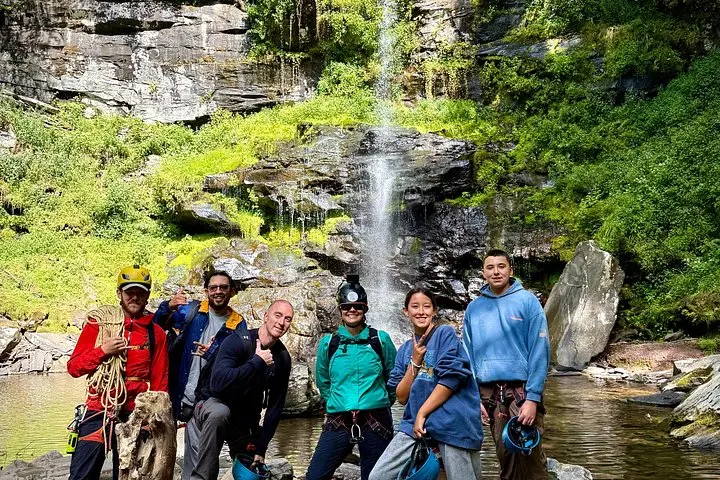
A fast‑paced, guide‑led canyoning excursion through Catskill Park’s river canyons—expect waterfall rappels, natural rock slides and cold plunge pools. Ideal for experienced hikers seeking wet technical terrain with all safety gear provided.
A fast‑paced, guide‑led canyoning excursion through Catskill Park’s river canyons—expect waterfall rappels, natural rock slides and cold plunge pools. Ideal for experienced hikers seeking wet technical terrain with all safety gear provided.
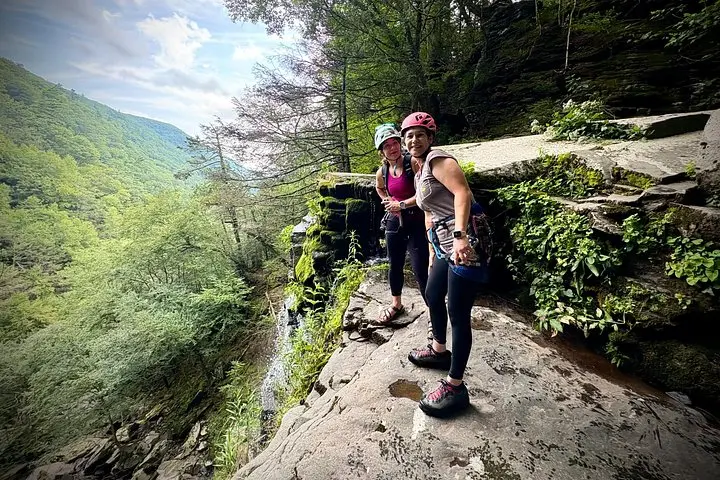
You step off the mossy ledge and the canyon takes over: cold spray stings your face, a narrow river channel funnels you toward a polished rock chute, and a guide’s voice cuts clear above the roar—"Ready?".
Verified experiences and guided adventures in the surrounding area.
Operated by Stay Rad Climbing Guides · Hunter, NY
You step off the mossy ledge and the canyon takes over: cold spray stings your face, a narrow river channel funnels you toward a polished rock chute, and a guide’s voice cuts clear above the roar—"Ready?".
This four‑hour canyoning trip threads river canyons carved into the Devonian shale of New York’s Catskills. The landscape is young in geological terms—steep gorges, exposed bedrock and plunge pools formed from glacial melt and fast mountain streams. Culturally, these ravines have long been travel corridors for Indigenous peoples and later 19th‑century artists drawn to dramatic falls; today they’re a wild, managed playground for technical outdoor skills.
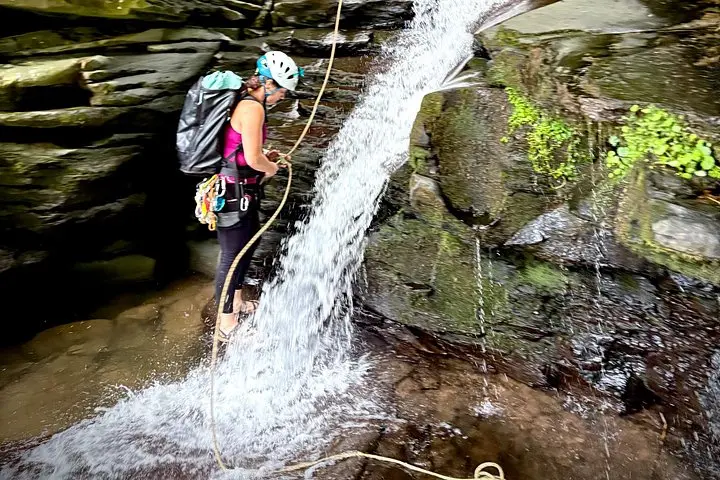
Expect three guided rappels through cascading water, natural rock slides that finish in deep pools, and thigh‑to‑waist wading between pitches. Guides supply technical harnesses, helmets and rappel devices; you supply grit, a sense of balance and willingness to get soaked. Terrain shifts quickly between slick granite and gravel bars—footing can be slippery and currents can push you toward the next feature.
Plan for a high‑energy outing: wear closed‑toe water shoes with aggressive tread, quick‑dry layers, and a low‑volume pack for essentials. Hydrate before you go; cold water and adrenaline mask fatigue. Best light is late morning to midafternoon when sun warms rock surfaces but always expect changeable mountain weather. This is a technical, guide‑led experience that rewards focus—move deliberately, trust the rope systems, and the canyon will let you through.
No—guides provide instruction and all technical gear; however comfort with exposed terrain and heights is important.
Wear closed‑toe water shoes, quick‑dry clothing and a low‑profile pack; leave cotton behind to avoid chill.
Yes—you will enter deep pools and should be able to swim short distances or float in current with a guide’s assistance.
Most operators accept participants 12 and up; check with the outfitter about minimum age and guardian requirements.
Stay Rad Climbing Guides operates guided outdoor trips and adventures with an emphasis on safety, stewardship, and memorable experiences.
You step off the mossy ledge and the canyon takes over: cold spray stings your face, a narrow river channel funnels you toward a polished rock chute, and a guide’s voice cuts clear above the roar—"Ready?".
You step off the mossy ledge and the canyon takes over: cold spray stings your face, a narrow river channel funnels you toward a polished rock chute, and a guide’s voice cuts clear above the roar—"Ready?".
This four‑hour canyoning trip threads river canyons carved into the Devonian shale of New York’s Catskills. The landscape is young in geological terms—steep gorges, exposed bedrock and plunge pools formed from glacial melt and fast mountain streams. Culturally, these ravines have long been travel corridors for Indigenous peoples and later 19th‑century artists drawn to dramatic falls; today they’re a wild, managed playground for technical outdoor skills.
Expect three guided rappels through cascading water, natural rock slides that finish in deep pools, and thigh‑to‑waist wading between pitches. Guides supply technical harnesses, helmets and rappel devices; you supply grit, a sense of balance and willingness to get soaked. Terrain shifts quickly between slick granite and gravel bars—footing can be slippery and currents can push you toward the next feature.
Plan for a high‑energy outing: wear closed‑toe water shoes with aggressive tread, quick‑dry layers, and a low‑volume pack for essentials. Hydrate before you go; cold water and adrenaline mask fatigue. Best light is late morning to midafternoon when sun warms rock surfaces but always expect changeable mountain weather. This is a technical, guide‑led experience that rewards focus—move deliberately, trust the rope systems, and the canyon will let you through.