THE ADVENTURE COLLECTIVE® · Independent discovery and booking for outdoor travel

Explore Cava Carosello and the ruins of Noto Antica on a 4–5 hour eco trek through limestone canyons, Byzantine tanneries and hanging pools. Expect mixed terrain, historic stonework, and chances to cool off in clear mountain-fed waters.
Explore Cava Carosello and the ruins of Noto Antica on a 4–5 hour eco trek through limestone canyons, Byzantine tanneries and hanging pools. Expect mixed terrain, historic stonework, and chances to cool off in clear mountain-fed waters.
You start on a narrow country road, windows down, air-conditioned jeep humming as limestone cliffs come into view. The vehicle drops you near Monte Alveria; an empty ruin waits above a bowl of green, and the trail threads down into Cava Carosello where rock walls steepen and light filters through fern and olive.
Verified experiences and guided adventures in the surrounding area.
Operated by Alessandro Mertoli · Noto, Sicily
You start on a narrow country road, windows down, air-conditioned jeep humming as limestone cliffs come into view. The vehicle drops you near Monte Alveria; an empty ruin waits above a bowl of green, and the trail threads down into Cava Carosello where rock walls steepen and light filters through fern and olive.
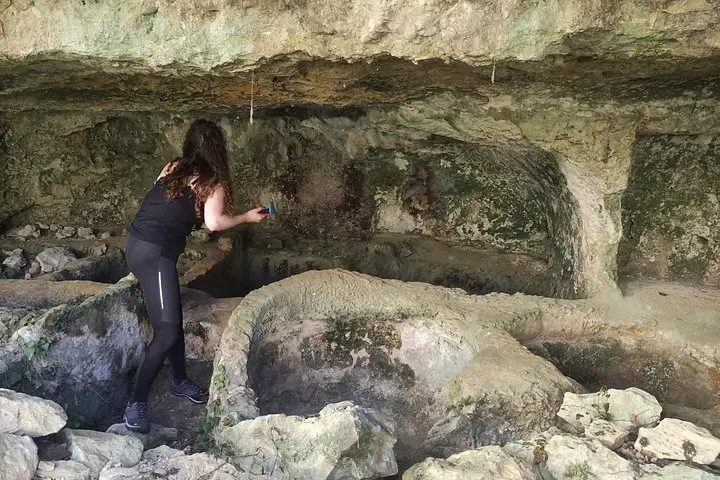
This landscape is geological memory: uplifted limestone and calcarenite carved by winter torrents into canyons and hanging pools. The trail passes Byzantine-era tanneries hewn into living rock — working spaces where tannins and water shaped local craft for centuries. Roman walls and fragments of an ancient theater remind you this place sat on trade routes and changed hands from Greeks to Byzantines to Arabs, then was fractured by the earthquake of 1669 that reshaped the region.
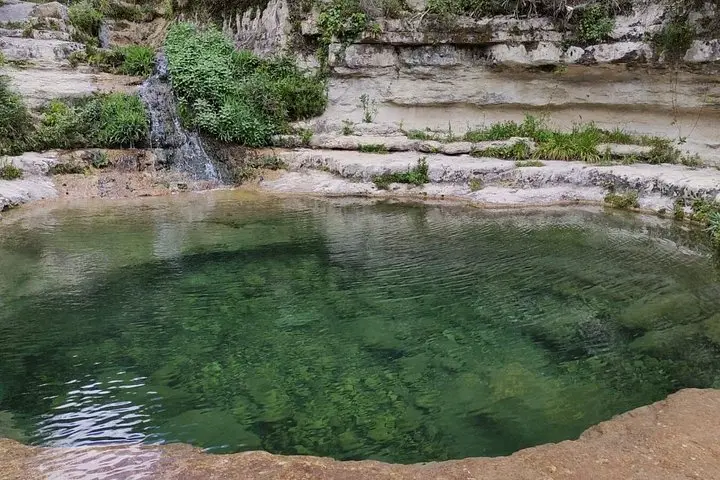
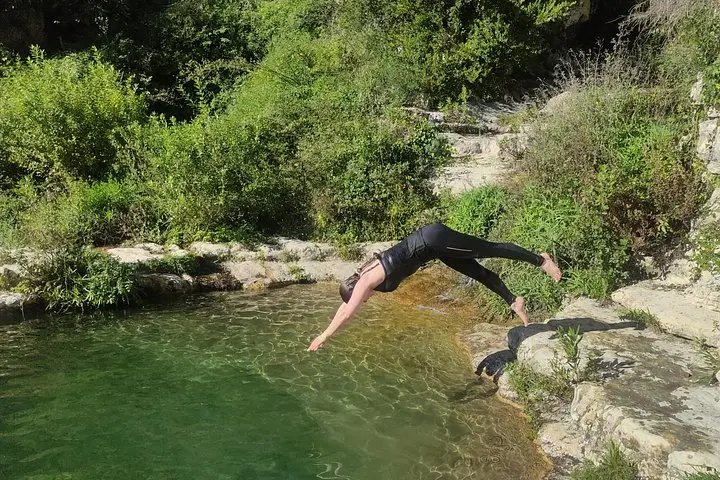
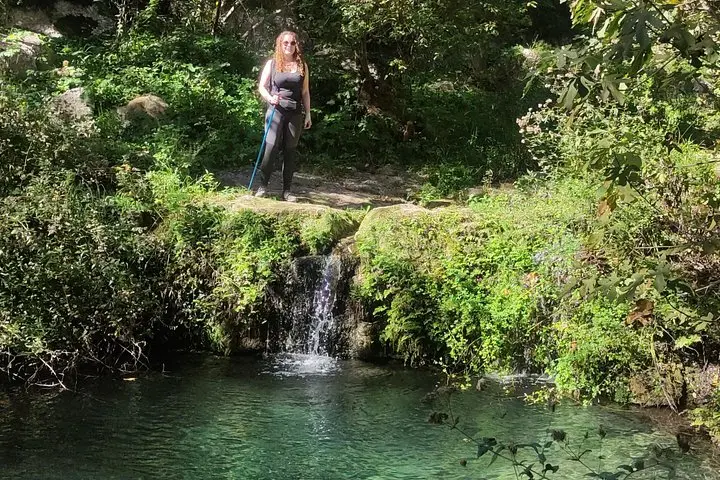
As you descend, waterfalls dare you into clear pools and stone mills stand like retired neighbors of the stream. Birds call at dusk; crickets keep time. The canyon gives both shade and exposure, moving from forested, moss-scented pockets to sunlit terraces of olive and almond.
Practical guidance: expect 4–5 hours on mixed terrain with short rocky scrambles and creek crossings. Wear durable trail shoes with good grip, bring 1.5–2 liters of water, and a light rain layer depending on season. Respect fragile archaeological features — no climbing on ruins. Start in the morning to avoid mid-day heat, and plan for limited cell coverage; a physical map or local guide improves route-finding. This trek balances history, geology and cooling water — a compact, varied Sicilian day in the wild.
The tour runs about 4–5 hours with moderate effort—expect mixed terrain, some short rocky scrambles, and creek-side walking.
Yes, the clear pools are popular for a refreshing dip, but check guide advice regarding depth and safety before entering.
The route is family-friendly overall, but those with limited mobility or serious heart conditions should avoid canyon descents; consult the operator for specific concerns.
A local guide is recommended for interpretation and safe navigation—cell coverage can be spotty and paths can be indistinct in places.
Alessandro Mertoli operates guided outdoor trips and adventures with an emphasis on safety, stewardship, and memorable experiences.
You start on a narrow country road, windows down, air-conditioned jeep humming as limestone cliffs come into view. The vehicle drops you near Monte Alveria; an empty ruin waits above a bowl of green, and the trail threads down into Cava Carosello where rock walls steepen and light filters through fern and olive.
You start on a narrow country road, windows down, air-conditioned jeep humming as limestone cliffs come into view. The vehicle drops you near Monte Alveria; an empty ruin waits above a bowl of green, and the trail threads down into Cava Carosello where rock walls steepen and light filters through fern and olive.
This landscape is geological memory: uplifted limestone and calcarenite carved by winter torrents into canyons and hanging pools. The trail passes Byzantine-era tanneries hewn into living rock — working spaces where tannins and water shaped local craft for centuries. Roman walls and fragments of an ancient theater remind you this place sat on trade routes and changed hands from Greeks to Byzantines to Arabs, then was fractured by the earthquake of 1669 that reshaped the region.
As you descend, waterfalls dare you into clear pools and stone mills stand like retired neighbors of the stream. Birds call at dusk; crickets keep time. The canyon gives both shade and exposure, moving from forested, moss-scented pockets to sunlit terraces of olive and almond.
Practical guidance: expect 4–5 hours on mixed terrain with short rocky scrambles and creek crossings. Wear durable trail shoes with good grip, bring 1.5–2 liters of water, and a light rain layer depending on season. Respect fragile archaeological features — no climbing on ruins. Start in the morning to avoid mid-day heat, and plan for limited cell coverage; a physical map or local guide improves route-finding. This trek balances history, geology and cooling water — a compact, varied Sicilian day in the wild.