THE ADVENTURE COLLECTIVE® · Independent discovery and booking for outdoor travel
Glide into a cool, silent world on a guided canoe trip through Barton Creek Cave. Two hours of subterranean paddling reveal crystalline formations, Maya artifacts and a living cave ecosystem — all within easy reach of San Ignacio.
Glide into a cool, silent world on a guided canoe trip through Barton Creek Cave. Two hours of subterranean paddling reveal crystalline formations, Maya artifacts and a living cave ecosystem — all within easy reach of San Ignacio.
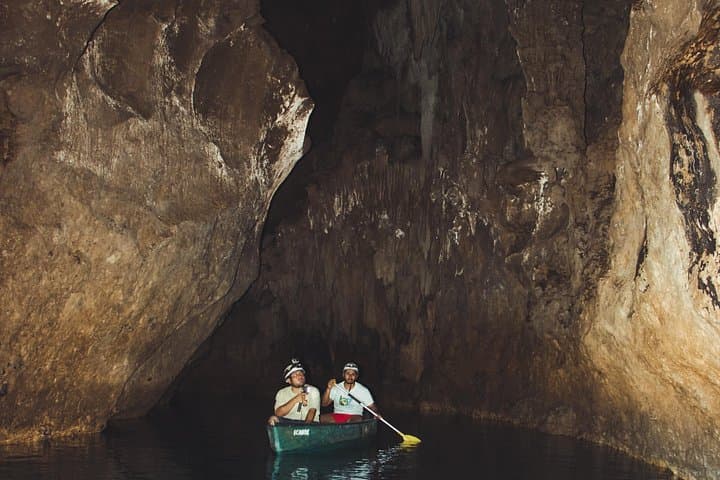
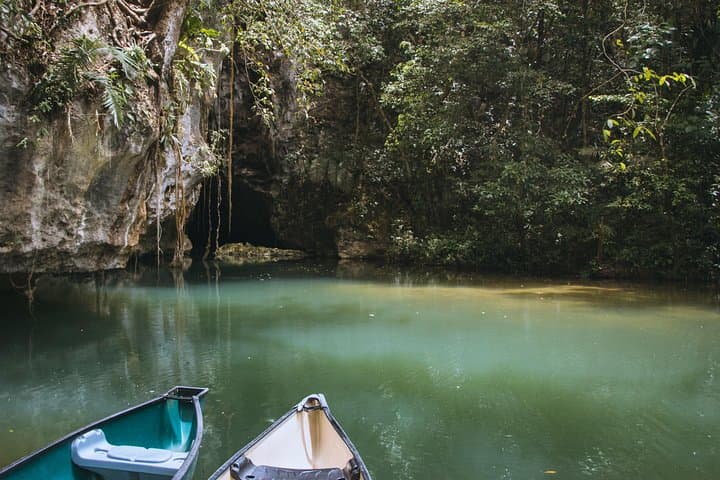
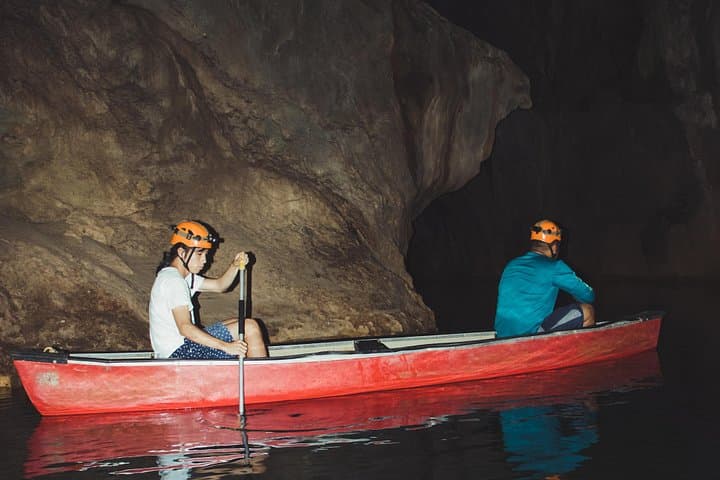
The mouth of Barton Creek yawns like a dark promise: a narrow slit in the limestone, water reflecting a band of sky before swallowing it. You push off in a two-person canoe, paddle whispering as the cave takes the sound and stretches it into a long, cool echo. Light from your guide's headlamp pools on walls the color of old bone; stalactites hang like slow icicles, and columns stand as patient, mineral pillars. The water moves hardly at all — it asks only that you glide and listen.
Verified experiences and guided adventures in the surrounding area.
Operated by Belize Family Adventure · San Ignacio, Cayo District
The mouth of Barton Creek yawns like a dark promise: a narrow slit in the limestone, water reflecting a band of sky before swallowing it. You push off in a two-person canoe, paddle whispering as the cave takes the sound and stretches it into a long, cool echo. Light from your guide's headlamp pools on walls the color of old bone; stalactites hang like slow icicles, and columns stand as patient, mineral pillars. The water moves hardly at all — it asks only that you glide and listen.
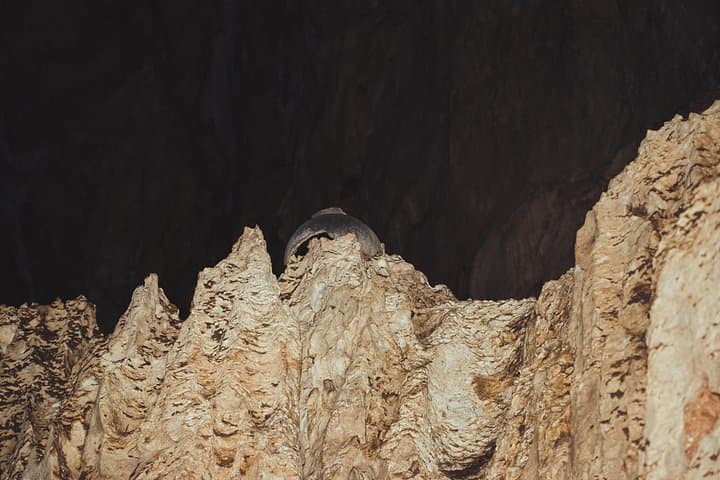
This is an archaeological and geological stage as much as a paddling route. Barton Creek Cave was a sacred site for the Maya; inside, guides point out crystalline formations and the skeletal remains and artifacts once left as offerings. The cave ceiling records millions of years of shifting water tables: flowstone and soda straws document changes in climate and the slow chemistry of limestone. Local caving families have run tours here for decades, translating that quiet history into stories about Maya rituals and colonial-era exploration.
Cultural sensitivity is part of the trip. Guides describe how artifacts and human remains are treated with respect; visitors are asked not to touch or remove anything. Biologically, the cave is alive — swifts and bats wheel in the dark and blind cavefish hide in deeper pools — and your headlamp suddenly feels less like a toy and more like a small sun in a subterranean sky.
Practicalities: the full experience runs about four hours door-to-door from San Ignacio, with roughly two hours of canoeing inside the cave. Operators provide canoe, helmet, headlight, PFD, paddle and bottled water; the route is calm and suitable for most fitness levels but expects some low-ceiling passages and the occasional crouch. The terrain is flat water with rocky entry and exit points, so slip-resistant footwear with good grip is recommended.
Timing matters. Morning trips tend to feel quieter, cooler and give more steady light at the entrance; afternoon bookings are warmer but sometimes busier. Leave jewelry and flash photography on the shore — lights can disorient wildlife and you’ll want your hands free for the paddle. Guides often close the trip with a simple snack and a conversation about local conservation efforts; tipping your guide directly supports the families who steward this fragile site.
If you go, move slowly. The cave rewards patience: the drip of a stalactite, the way the canoe nicks the black water, the guide’s soft voice telling of Maya ceremonies — these are the true landmarks of Barton Creek. Bring curiosity, a steady hand, and the quiet to match the cave’s long attention span.
The canoeing portion is about two hours inside the cave; the full activity is roughly four hours including pickup and return to San Ignacio.
Yes — tours often accept older children able to sit still in a canoe; check with the operator for minimum age and supervise closely.
Yes. The operator supplies helmets, headlamps, personal flotation devices and paddles.
Yes, but flash photography can disturb wildlife and damage delicate formations; long exposures with steady hands or guide-assisted shots work best.
Certain passages have low ceilings requiring crouching; if you are claustrophobic, discuss specific route details with the operator before booking and consider a surface-only option.
Most bookings include hotel pickup in San Ignacio; otherwise the meeting point is the Belize Caving Expeditions office (Unit #2) where the tour departs.
Belize Family Adventure operates guided outdoor trips and adventures with an emphasis on safety, stewardship, and memorable experiences.
The mouth of Barton Creek yawns like a dark promise: a narrow slit in the limestone, water reflecting a band of sky before swallowing it. You push off in a two-person canoe, paddle whispering as the cave takes the sound and stretches it into a long, cool echo. Light from your guide's headlamp pools on walls the color of old bone; stalactites hang like slow icicles, and columns stand as patient, mineral pillars. The water moves hardly at all — it asks only that you glide and listen.
The mouth of Barton Creek yawns like a dark promise: a narrow slit in the limestone, water reflecting a band of sky before swallowing it. You push off in a two-person canoe, paddle whispering as the cave takes the sound and stretches it into a long, cool echo. Light from your guide's headlamp pools on walls the color of old bone; stalactites hang like slow icicles, and columns stand as patient, mineral pillars. The water moves hardly at all — it asks only that you glide and listen.
This is an archaeological and geological stage as much as a paddling route. Barton Creek Cave was a sacred site for the Maya; inside, guides point out crystalline formations and the skeletal remains and artifacts once left as offerings. The cave ceiling records millions of years of shifting water tables: flowstone and soda straws document changes in climate and the slow chemistry of limestone. Local caving families have run tours here for decades, translating that quiet history into stories about Maya rituals and colonial-era exploration.
Cultural sensitivity is part of the trip. Guides describe how artifacts and human remains are treated with respect; visitors are asked not to touch or remove anything. Biologically, the cave is alive — swifts and bats wheel in the dark and blind cavefish hide in deeper pools — and your headlamp suddenly feels less like a toy and more like a small sun in a subterranean sky.
Practicalities: the full experience runs about four hours door-to-door from San Ignacio, with roughly two hours of canoeing inside the cave. Operators provide canoe, helmet, headlight, PFD, paddle and bottled water; the route is calm and suitable for most fitness levels but expects some low-ceiling passages and the occasional crouch. The terrain is flat water with rocky entry and exit points, so slip-resistant footwear with good grip is recommended.
Timing matters. Morning trips tend to feel quieter, cooler and give more steady light at the entrance; afternoon bookings are warmer but sometimes busier. Leave jewelry and flash photography on the shore — lights can disorient wildlife and you’ll want your hands free for the paddle. Guides often close the trip with a simple snack and a conversation about local conservation efforts; tipping your guide directly supports the families who steward this fragile site.
If you go, move slowly. The cave rewards patience: the drip of a stalactite, the way the canoe nicks the black water, the guide’s soft voice telling of Maya ceremonies — these are the true landmarks of Barton Creek. Bring curiosity, a steady hand, and the quiet to match the cave’s long attention span.
