THE ADVENTURE COLLECTIVE® · Independent discovery and booking for outdoor travel

Learn to fit tanks at your sides and thread tight overhead passages in the Yucatán’s cenotes. This three-day TDI sidemount course mixes classroom theory with in-water practice and hotel transfers from Playa del Carmen.
Learn to fit tanks at your sides and thread tight overhead passages in the Yucatán’s cenotes. This three-day TDI sidemount course mixes classroom theory with in-water practice and hotel transfers from Playa del Carmen.
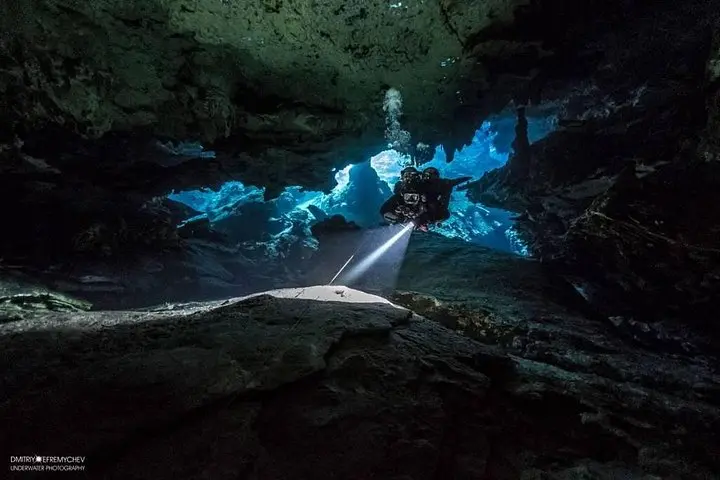
A shaft of turquoise light slices through a cenote as students sort fins on a limestone bench, the surface trembling with distant pulses of the underground river. In the Yucatán, where water has carved corridors beneath the surface for millennia, a three-day TDI sidemount course teaches divers to move through those corridors with greater agility and safety.
Verified experiences and guided adventures in the surrounding area.
Operated by Diversland Mexico · Playa del Carmen, Quintana Roo
A shaft of turquoise light slices through a cenote as students sort fins on a limestone bench, the surface trembling with distant pulses of the underground river. In the Yucatán, where water has carved corridors beneath the surface for millennia, a three-day TDI sidemount course teaches divers to move through those corridors with greater agility and safety.
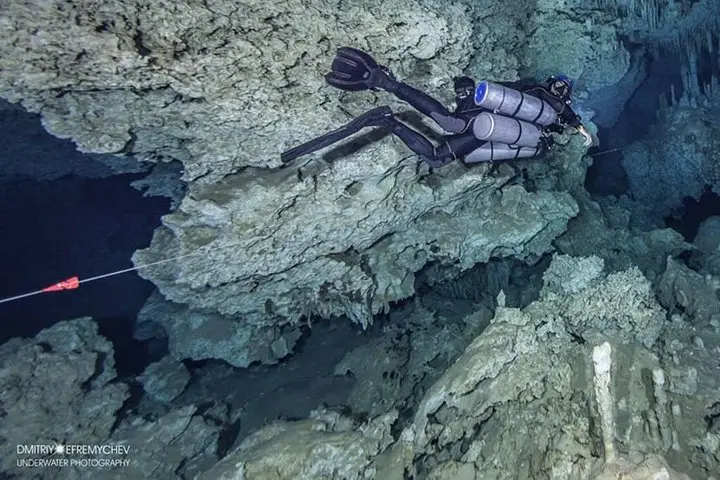
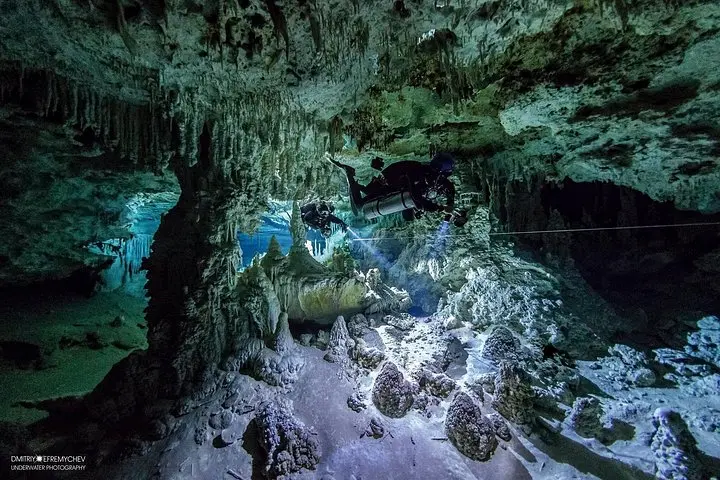
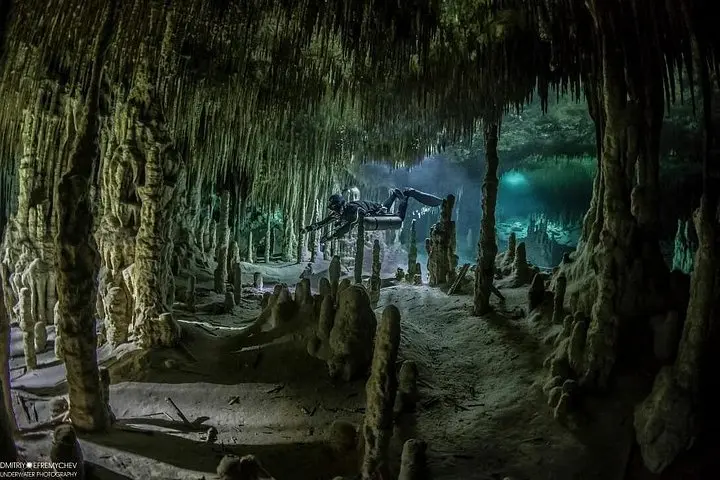
Geology here is obvious: a karst plateau riddled with passages—Ox Bel Ha and Sac Actun rank among the world’s longest—where freshwater and haloclines sketch sudden horizons. The Maya regarded cenotes as gateways; today they are training grounds for disciplined overhead-environment diving. Sidemount rigs shift cylinders to the diver’s sides, improving streamlining and allowing passage through tighter restrictions.
Expect a mix of classroom theory, in-water skills in cavern zones, and guided passage practice in cenotes selected for appropriate depth and complexity. Instructors cover equipment configuration, gas management, buoyancy trim, reel use, and emergency procedures; tanks, weights, course manual and local transport are typically included. Hotel pickup in Playa del Carmen shortens logistics.
Practical notes: be hydrated, practice neutral buoyancy before arrival, and bring a reliable dive computer and personal mask. Avoid sunburn before dives—sunscreen can harm cenote ecosystems—and plan flights at least 18–24 hours after your last dive. This course is technical: it’s an efficient route from open-water skills toward cave diving, offering concrete, hands-on drills in one of the planet’s most concentrated submerged-cave systems.
No—this is an introductory TDI sidemount cave course, but you should have solid open-water skills and buoyancy control before starting.
Successful completion awards a TDI sidemount cave diver certificate recognized by technical diving instructors and shops.
Most operators include tanks, weights, belts and basic sidemount hardware, but personal items like mask, computer and primary light are best brought by the student.
The program runs about three days and commonly includes hotel pickup and drop-off for Playa del Carmen accommodations.
Diversland Mexico operates guided outdoor trips and adventures with an emphasis on safety, stewardship, and memorable experiences.
A shaft of turquoise light slices through a cenote as students sort fins on a limestone bench, the surface trembling with distant pulses of the underground river. In the Yucatán, where water has carved corridors beneath the surface for millennia, a three-day TDI sidemount course teaches divers to move through those corridors with greater agility and safety.
A shaft of turquoise light slices through a cenote as students sort fins on a limestone bench, the surface trembling with distant pulses of the underground river. In the Yucatán, where water has carved corridors beneath the surface for millennia, a three-day TDI sidemount course teaches divers to move through those corridors with greater agility and safety.
Geology here is obvious: a karst plateau riddled with passages—Ox Bel Ha and Sac Actun rank among the world’s longest—where freshwater and haloclines sketch sudden horizons. The Maya regarded cenotes as gateways; today they are training grounds for disciplined overhead-environment diving. Sidemount rigs shift cylinders to the diver’s sides, improving streamlining and allowing passage through tighter restrictions.
Expect a mix of classroom theory, in-water skills in cavern zones, and guided passage practice in cenotes selected for appropriate depth and complexity. Instructors cover equipment configuration, gas management, buoyancy trim, reel use, and emergency procedures; tanks, weights, course manual and local transport are typically included. Hotel pickup in Playa del Carmen shortens logistics.
Practical notes: be hydrated, practice neutral buoyancy before arrival, and bring a reliable dive computer and personal mask. Avoid sunburn before dives—sunscreen can harm cenote ecosystems—and plan flights at least 18–24 hours after your last dive. This course is technical: it’s an efficient route from open-water skills toward cave diving, offering concrete, hands-on drills in one of the planet’s most concentrated submerged-cave systems.