THE ADVENTURE COLLECTIVE® · Independent discovery and booking for outdoor travel

Float through lamp-lit caverns and stand atop Classic Maya plazas in a single half-day adventure near San Ignacio. This combo pairs a guided exploration of Xunantunich with relaxed cave tubing in St. Herman’s Cave—ideal for history-minded adventurers who want a gentle dose of underground excitement.
Float through lamp-lit caverns and stand atop Classic Maya plazas in a single half-day adventure near San Ignacio. This combo pairs a guided exploration of Xunantunich with relaxed cave tubing in St. Herman’s Cave—ideal for history-minded adventurers who want a gentle dose of underground excitement.
You push off from the riverbank in a tired inner tube, headlamp cutting a cone of light into a slow, black current that seems to carry whispers of the past. Earlier the day smelled of dust and sun-dried stone as the group crossed the Mopan River on a hand-cranked ferry to climb between weathered plazas and the broad face of El Castillo at Xunantunich. Now the jungle gives way to limestone, dripping and cool, stalactites listening overhead as water gently steers you through St. Herman’s Cave.
Verified experiences and guided adventures in the surrounding area.
Operated by Going Coastal Adventures · San Ignacio, Cayo District
You push off from the riverbank in a tired inner tube, headlamp cutting a cone of light into a slow, black current that seems to carry whispers of the past. Earlier the day smelled of dust and sun-dried stone as the group crossed the Mopan River on a hand-cranked ferry to climb between weathered plazas and the broad face of El Castillo at Xunantunich. Now the jungle gives way to limestone, dripping and cool, stalactites listening overhead as water gently steers you through St. Herman’s Cave.
Xunantunich dates to the Classic Maya period; its plazas and carved stelae read like municipal records in stone, while the surrounding karst landscape is the product of millions of years of dissolved limestone and subterranean rivers. St. Herman’s system forms where those rivers found weaknesses, creating caverns lined with flowstone and corridors carved by steady currents.
Culturally, the combo pairs archaeology with active nature: an interpretive walk through ceremonial spaces followed by an easy, sensory river float. Guides double as stewards and storytellers, explaining glyph fragments and pointing out cave-dwelling bats and subterranean formations.
Practical notes: tours run about 4–5 hours, include helmets, tubes and headlamps, and require minimal fitness but caution for claustrophobia and back issues. Wear quick-dry clothing and secure water shoes, bring insect repellent and a change of clothes. Book in the dry season for lower, clearer cave passages; expect higher water and muddier trails in the wet months. Respect cave formations—don’t touch—and follow guides’ instructions for a safe, memorable crossing between history and river-lit darkness.
The full activity lasts about 4–5 hours, typically including a 1.5–2 hour visit at Xunantunich and a similar amount of time for transfers and cave tubing.
Yes—helmets, tubes and headlamps are included; bring your own dry bag if you need to protect valuables.
Families with older children generally do well; operators may set minimum ages—check at booking and disclose weights and ages for safety.
This tour is not recommended for severe claustrophobia; parts of the cave are narrow and dark—consult the operator or consider a surface river float instead.
Going Coastal Adventures operates guided outdoor trips and adventures with an emphasis on safety, stewardship, and memorable experiences.
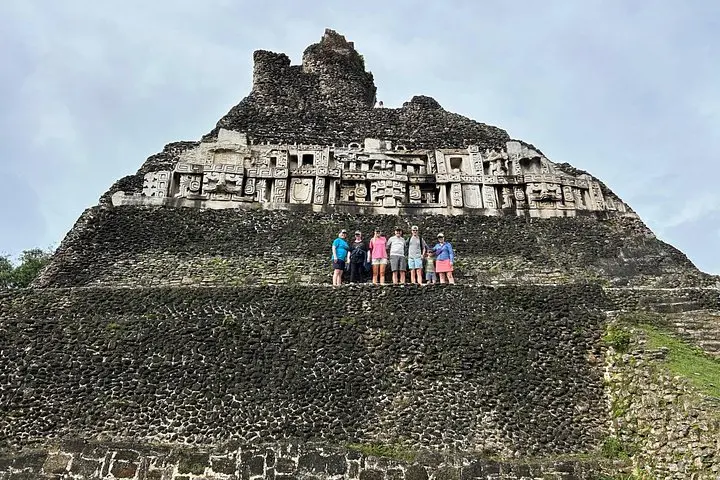
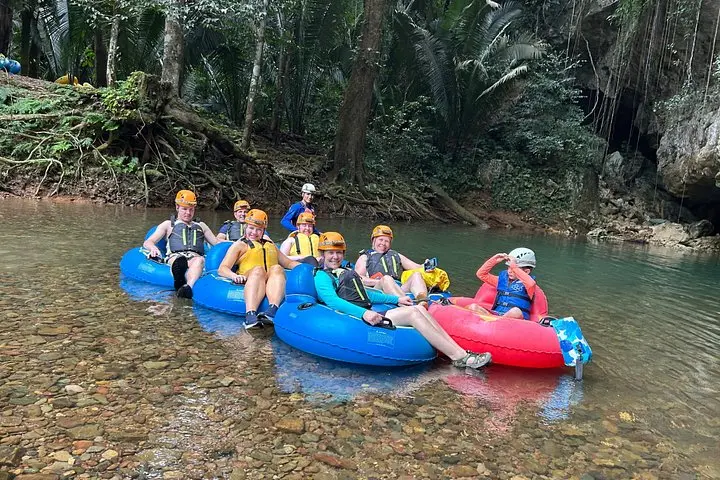
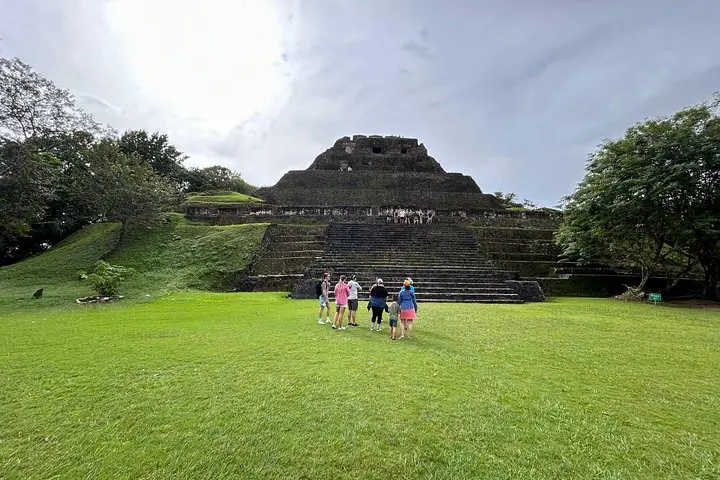
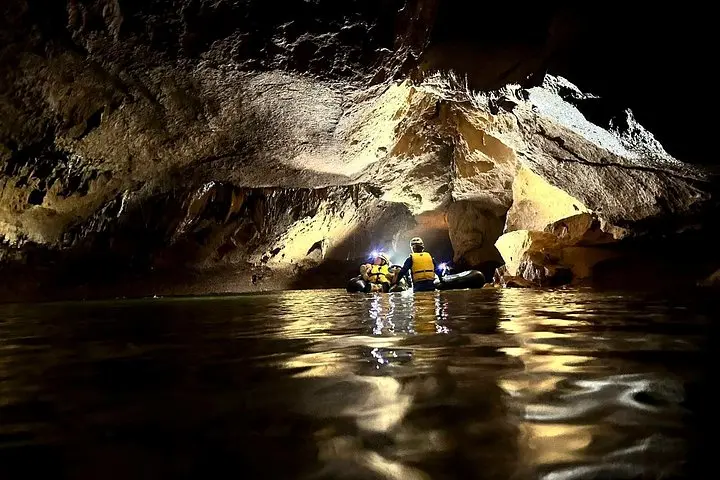
You push off from the riverbank in a tired inner tube, headlamp cutting a cone of light into a slow, black current that seems to carry whispers of the past. Earlier the day smelled of dust and sun-dried stone as the group crossed the Mopan River on a hand-cranked ferry to climb between weathered plazas and the broad face of El Castillo at Xunantunich. Now the jungle gives way to limestone, dripping and cool, stalactites listening overhead as water gently steers you through St. Herman’s Cave.
You push off from the riverbank in a tired inner tube, headlamp cutting a cone of light into a slow, black current that seems to carry whispers of the past. Earlier the day smelled of dust and sun-dried stone as the group crossed the Mopan River on a hand-cranked ferry to climb between weathered plazas and the broad face of El Castillo at Xunantunich. Now the jungle gives way to limestone, dripping and cool, stalactites listening overhead as water gently steers you through St. Herman’s Cave.
Xunantunich dates to the Classic Maya period; its plazas and carved stelae read like municipal records in stone, while the surrounding karst landscape is the product of millions of years of dissolved limestone and subterranean rivers. St. Herman’s system forms where those rivers found weaknesses, creating caverns lined with flowstone and corridors carved by steady currents.
Culturally, the combo pairs archaeology with active nature: an interpretive walk through ceremonial spaces followed by an easy, sensory river float. Guides double as stewards and storytellers, explaining glyph fragments and pointing out cave-dwelling bats and subterranean formations.
Practical notes: tours run about 4–5 hours, include helmets, tubes and headlamps, and require minimal fitness but caution for claustrophobia and back issues. Wear quick-dry clothing and secure water shoes, bring insect repellent and a change of clothes. Book in the dry season for lower, clearer cave passages; expect higher water and muddier trails in the wet months. Respect cave formations—don’t touch—and follow guides’ instructions for a safe, memorable crossing between history and river-lit darkness.