THE ADVENTURE COLLECTIVE® · Independent discovery and booking for outdoor travel

Spend two hours at Acetaia Cavedoni tasting 5–100 year traditional balsamic vinegars and local cured meats. This short countryside tour blends vineyard walking, cellar visits, and a guided tasting that reveals Modena’s centuries-old production methods.
Spend two hours at Acetaia Cavedoni tasting 5–100 year traditional balsamic vinegars and local cured meats. This short countryside tour blends vineyard walking, cellar visits, and a guided tasting that reveals Modena’s centuries-old production methods.
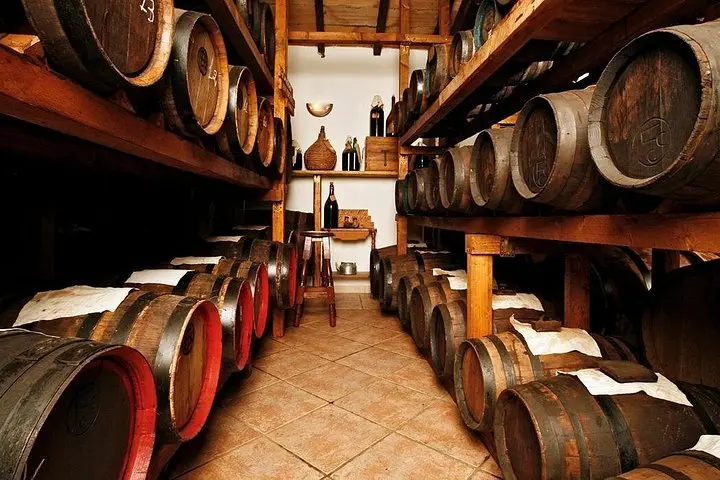
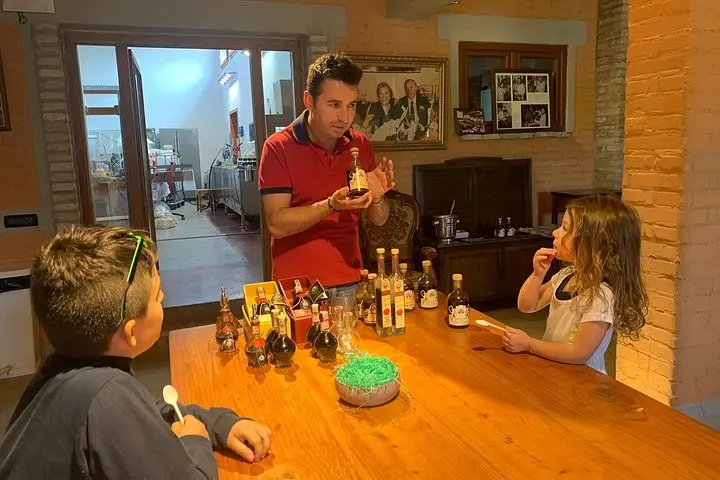
You step off the taxi onto a gravel lane and the air changes — a perfume of cooked grape and oak drifts from the acetaia. Sunlight slants across rows of Lambrusco and Trebbiano vines; inside the vinegar house, barrels darken like quiet rooms of memory. The tour moves at a deliberate pace: vineyard, pressing, barrel rooms, then a table set with small glasses and piles of Parmigiano Reggiano, prosciutto, mortadella and crusty local bread.
Verified experiences and guided adventures in the surrounding area.
Operated by Antica Acetaia Cavedoni Dal 1860 · Modena, Emilia-Romagna
You step off the taxi onto a gravel lane and the air changes — a perfume of cooked grape and oak drifts from the acetaia. Sunlight slants across rows of Lambrusco and Trebbiano vines; inside the vinegar house, barrels darken like quiet rooms of memory. The tour moves at a deliberate pace: vineyard, pressing, barrel rooms, then a table set with small glasses and piles of Parmigiano Reggiano, prosciutto, mortadella and crusty local bread.
Balsamic vinegar of Modena has roots in Emilia-Romagna's agrarian history, where families fermented cooked grape must in staged wooden barrels for generations. The region’s clay and limestone soils favor the Trebbiano grape, and aging in chestnut, cherry and oak barrels leaves distinct signatures on older balsamics. Cavedoni preserves that lineage: expect explanations of DOP and IGP rules, the role of wood species, and why time — five to a hundred years — concentrates flavor.
The tasting is practical and precise: you’ll move from younger, brighter balsamics to the slow, syrupy centuries, pairing them with cured meats and Parmigiano to highlight balance. A bottle of Lambrusco accompanies the flight.
Plan logistics in advance — the site is rural, with taxi and reserved transfer advice common — and arrive with a light jacket for barrel rooms and sensible shoes for farm tracks. Bring cash or card if you plan to purchase a bottle; the oldest barrels are museums and conversation starters, the tastings are where the vinegar does the talking.
The experience runs about 2 hours and includes a vineyard walk, a guided visit to the acetaia and a tasting of multiple balsamics with local foods.
Transport is not included; most guests travel by taxi from Modena or Bologna — advance booking of taxis is recommended.
Yes, the acetaia offers bottles for sale including younger and older-aged balsamics; limited-production items may sell out.
The property lists wheelchair-accessible areas, but some outdoor paths and the historic barrel rooms may have limited accessibility — check with the operator when booking.
Antica Acetaia Cavedoni Dal 1860 operates guided outdoor trips and adventures with an emphasis on safety, stewardship, and memorable experiences.
You step off the taxi onto a gravel lane and the air changes — a perfume of cooked grape and oak drifts from the acetaia. Sunlight slants across rows of Lambrusco and Trebbiano vines; inside the vinegar house, barrels darken like quiet rooms of memory. The tour moves at a deliberate pace: vineyard, pressing, barrel rooms, then a table set with small glasses and piles of Parmigiano Reggiano, prosciutto, mortadella and crusty local bread.
You step off the taxi onto a gravel lane and the air changes — a perfume of cooked grape and oak drifts from the acetaia. Sunlight slants across rows of Lambrusco and Trebbiano vines; inside the vinegar house, barrels darken like quiet rooms of memory. The tour moves at a deliberate pace: vineyard, pressing, barrel rooms, then a table set with small glasses and piles of Parmigiano Reggiano, prosciutto, mortadella and crusty local bread.
Balsamic vinegar of Modena has roots in Emilia-Romagna's agrarian history, where families fermented cooked grape must in staged wooden barrels for generations. The region’s clay and limestone soils favor the Trebbiano grape, and aging in chestnut, cherry and oak barrels leaves distinct signatures on older balsamics. Cavedoni preserves that lineage: expect explanations of DOP and IGP rules, the role of wood species, and why time — five to a hundred years — concentrates flavor.
The tasting is practical and precise: you’ll move from younger, brighter balsamics to the slow, syrupy centuries, pairing them with cured meats and Parmigiano to highlight balance. A bottle of Lambrusco accompanies the flight.
Plan logistics in advance — the site is rural, with taxi and reserved transfer advice common — and arrive with a light jacket for barrel rooms and sensible shoes for farm tracks. Bring cash or card if you plan to purchase a bottle; the oldest barrels are museums and conversation starters, the tastings are where the vinegar does the talking.