THE ADVENTURE COLLECTIVE® · Independent discovery and booking for outdoor travel

Explore Rapa Nui’s young lava flows and hidden caverns on a guided half-day hike from Roiho. Visit Ana te Pahu, Ana Kakenga and Ahu Te Peu while learning about the island’s geology and cultural history.
Explore Rapa Nui’s young lava flows and hidden caverns on a guided half-day hike from Roiho. Visit Ana te Pahu, Ana Kakenga and Ahu Te Peu while learning about the island’s geology and cultural history.
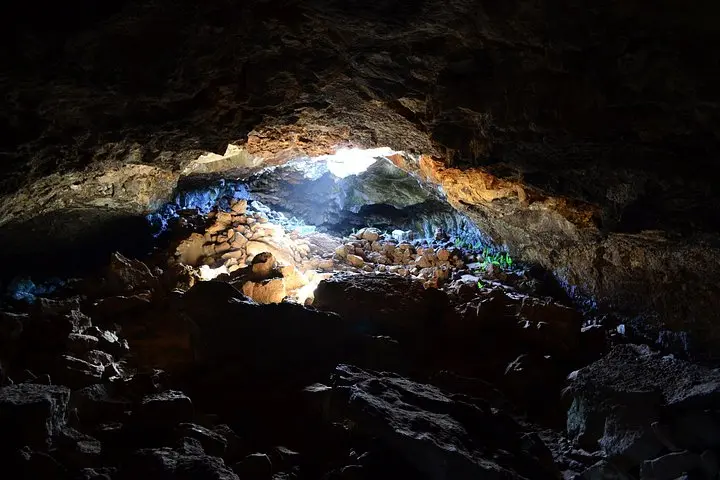
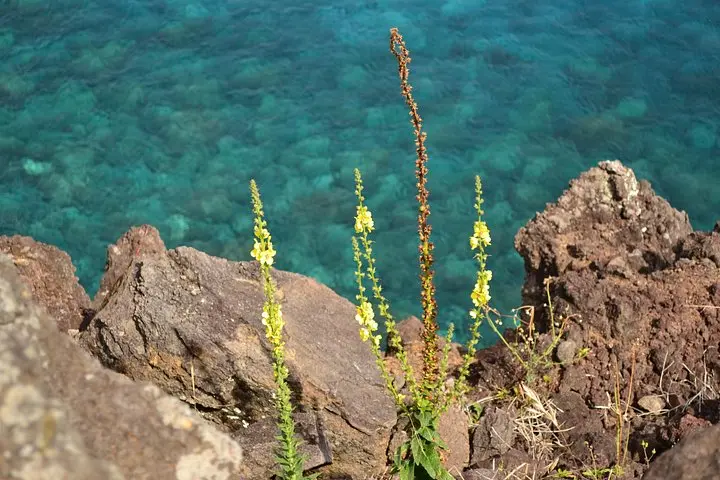
You step off the coast-swept road into Roiho and the island closes around you — wind polishing basalt, scrubby vegetation clinging to black rock, and the hollow calls of seabirds. The trail threads across recent pahoehoe and a’a flows, then drops into the cool dark of lava tubes where light thins and your footprints echo.
Verified experiences and guided adventures in the surrounding area.
Operated by Rapanui Pioneers Society (RPS) · Hanga Roa, Valparaíso Region
You step off the coast-swept road into Roiho and the island closes around you — wind polishing basalt, scrubby vegetation clinging to black rock, and the hollow calls of seabirds. The trail threads across recent pahoehoe and a’a flows, then drops into the cool dark of lava tubes where light thins and your footprints echo.
This half-day hike moves between geology and human history. The route follows young volcanic flows created by Rapa Nui’s last eruptions, then enters caves like Ana te Pahu, Ana Te Pora and Ana Kakenga — natural chambers later repurposed as shelters and ritual sites. You’ll pass Ahu Te Peu, a ceremonial complex with collapsed moai and foundations of traditional homes (hare pa‘enga), a reminder of the island’s Polynesian builders and the layers of cultural practice that predate European contact.
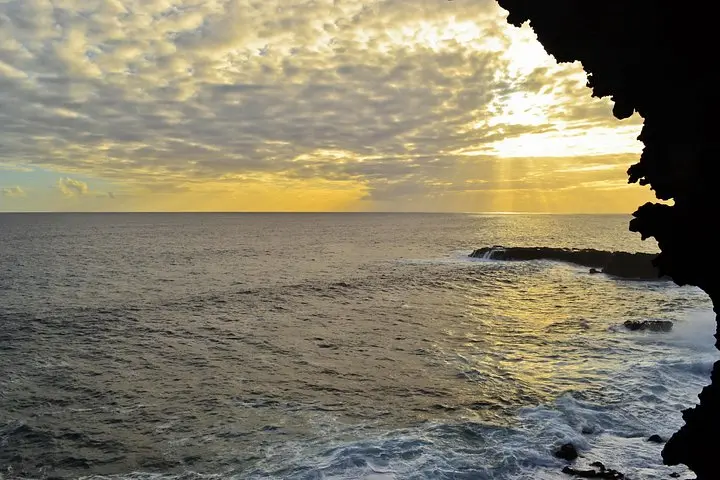
Expect tight passages, three distinct darkness phases in the western lava tube, and two ocean-view “windows” at Ana Kakenga that frame Motu Tautara and the rugged western cliffs. Local guides interpret archaeology, ecology and oral histories while managing sensitive sites.
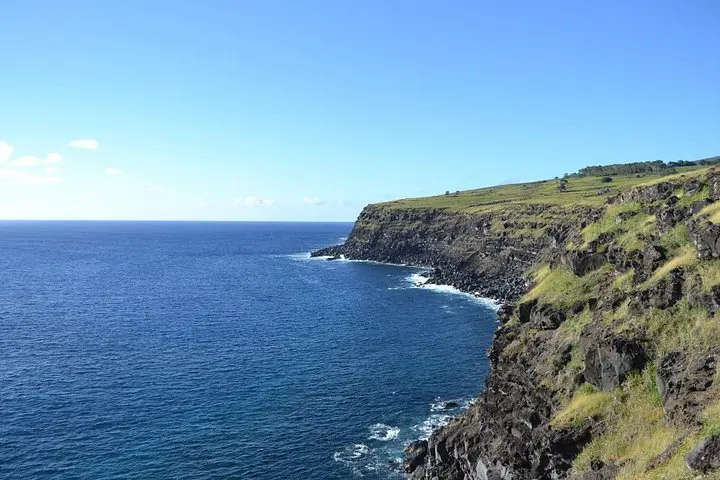
Practical details: the hike runs about four hours on uneven volcanic rock with short steep steps and narrow tunnels — moderate fitness required. Bring a reliable headlamp, sturdy shoes, sun protection and 1–2 liters of water. Rapa Nui National Park admission is required; follow your guide’s route to avoid fragile archaeological features and fragile vegetation. Morning departures reduce wind and offer warmer cave passages; after the last cavern the route returns along coastal cliffs to Vai a Me‘i for pickup. Respect cave walls and moai remains — these are archaeological places, not playgrounds.
Yes — Rapa Nui National Park admission is required for access to the Roiho sector and must be arranged before entry.
Yes — several sections are very dark and tunnels can be narrow; guides will advise on tight spots and assistance is available when needed.
Travelers should have moderate fitness; the tour is not recommended for those with serious back, heart problems, or pregnancy due to uneven ground and confined spaces.
Ana Kakenga ends in two coastal windows that open to sea views and nearby islets; the final viewpoint sits directly above the cliffs overlooking the ocean.
Rapanui Pioneers Society (RPS) operates guided outdoor trips and adventures with an emphasis on safety, stewardship, and memorable experiences.
You step off the coast-swept road into Roiho and the island closes around you — wind polishing basalt, scrubby vegetation clinging to black rock, and the hollow calls of seabirds. The trail threads across recent pahoehoe and a’a flows, then drops into the cool dark of lava tubes where light thins and your footprints echo.
You step off the coast-swept road into Roiho and the island closes around you — wind polishing basalt, scrubby vegetation clinging to black rock, and the hollow calls of seabirds. The trail threads across recent pahoehoe and a’a flows, then drops into the cool dark of lava tubes where light thins and your footprints echo.
This half-day hike moves between geology and human history. The route follows young volcanic flows created by Rapa Nui’s last eruptions, then enters caves like Ana te Pahu, Ana Te Pora and Ana Kakenga — natural chambers later repurposed as shelters and ritual sites. You’ll pass Ahu Te Peu, a ceremonial complex with collapsed moai and foundations of traditional homes (hare pa‘enga), a reminder of the island’s Polynesian builders and the layers of cultural practice that predate European contact.
Expect tight passages, three distinct darkness phases in the western lava tube, and two ocean-view “windows” at Ana Kakenga that frame Motu Tautara and the rugged western cliffs. Local guides interpret archaeology, ecology and oral histories while managing sensitive sites.
Practical details: the hike runs about four hours on uneven volcanic rock with short steep steps and narrow tunnels — moderate fitness required. Bring a reliable headlamp, sturdy shoes, sun protection and 1–2 liters of water. Rapa Nui National Park admission is required; follow your guide’s route to avoid fragile archaeological features and fragile vegetation. Morning departures reduce wind and offer warmer cave passages; after the last cavern the route returns along coastal cliffs to Vai a Me‘i for pickup. Respect cave walls and moai remains — these are archaeological places, not playgrounds.