THE ADVENTURE COLLECTIVE® · Independent discovery and booking for outdoor travel

Set sail from George Town to meet gentle stingrays, snorkel vibrant coral gardens, and wade among starfish on a three-hour catamaran tour. Practical tips on timing, gear, and conservation help you get the most from Grand Cayman’s top marine sites.
Set sail from George Town to meet gentle stingrays, snorkel vibrant coral gardens, and wade among starfish on a three-hour catamaran tour. Practical tips on timing, gear, and conservation help you get the most from Grand Cayman’s top marine sites.
The catamaran eases out of George Town as the water changes from harbor green to a clear, tropical blue that seems to invite you forward.
Verified experiences and guided adventures in the surrounding area.
Operated by Caribbean Cruise Tours · George Town, Cayman Islands
The catamaran eases out of George Town as the water changes from harbor green to a clear, tropical blue that seems to invite you forward.
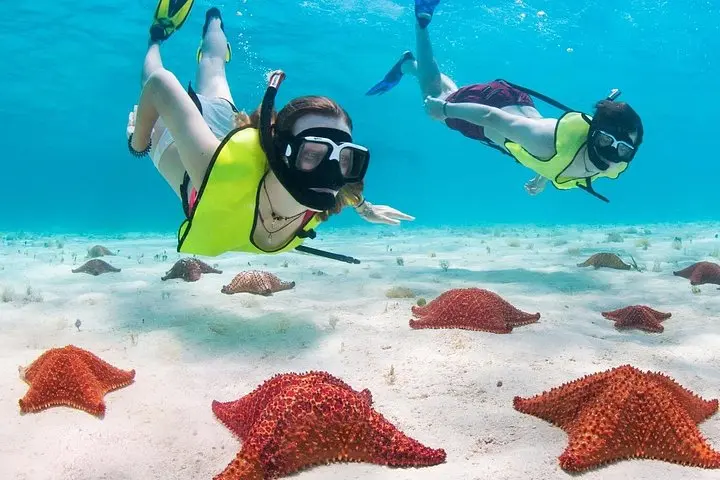
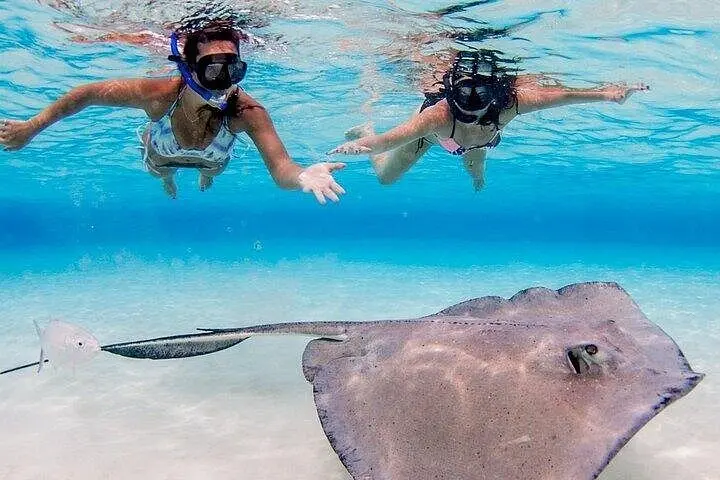
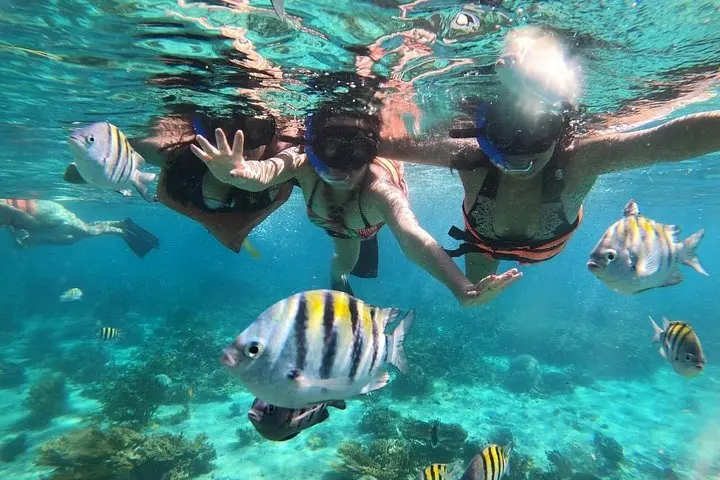
Within minutes the crew drops anchor on a shallow sandbar where southern stingrays glide like living shadows; they approach with the calm curiosity of animals used to people but still firmly in charge of the encounter. From there you move to Coral Gardens — a compact reef with dense staghorn and brain coral that funnels schools of parrotfish, angelfish and sergeant majors into close view — then finish at Starfish Point, a quiet shelf of sandy shallows where sun-warmed sea stars rest in slow motion.
Grand Cayman’s reefs sit on ancient limestone formed by coral growth over millennia; the Marine Park, created to protect these formations and the fish that depend on them, regulates anchoring and feeding to reduce damage. The Cayman community has long relied on the sea for food and commerce, and today tourism and conservation sit side by side.
Practically: tours run about three hours, with short boat transfers between sites and guided snorkeling instruction for all experience levels. Bring reef-safe sunscreen, a hat, and a light cover-up for wind and sun between stops. Wear reef shoes for traction on the sandbar and a personal flotation device if you’re less confident in open water.
Expect variable sea conditions — calm mornings are best for photos — and a crew that enforces no-touch rules for coral and wildlife. Travel light, secure cameras in waterproof cases, and plan your return so you’re ready for a quick rinse and a cool drink back onshore.
You should be comfortable in waist-to-chest deep water; life vests are provided and guides stay close to less confident swimmers.
Young children can participate but infants must sit on laps and flotation devices for under-3s may not be available; check operator policies before booking.
Yes — masks, fins and life vests are included, though some visitors prefer to bring their own mask for fit and comfort.
Tours follow marine park and safety guidelines; cancellations or rescheduling may occur if conditions are unsafe, and standard refund policies apply.
Caribbean Cruise Tours operates guided outdoor trips and adventures with an emphasis on safety, stewardship, and memorable experiences.
The catamaran eases out of George Town as the water changes from harbor green to a clear, tropical blue that seems to invite you forward.
The catamaran eases out of George Town as the water changes from harbor green to a clear, tropical blue that seems to invite you forward.
Within minutes the crew drops anchor on a shallow sandbar where southern stingrays glide like living shadows; they approach with the calm curiosity of animals used to people but still firmly in charge of the encounter. From there you move to Coral Gardens — a compact reef with dense staghorn and brain coral that funnels schools of parrotfish, angelfish and sergeant majors into close view — then finish at Starfish Point, a quiet shelf of sandy shallows where sun-warmed sea stars rest in slow motion.
Grand Cayman’s reefs sit on ancient limestone formed by coral growth over millennia; the Marine Park, created to protect these formations and the fish that depend on them, regulates anchoring and feeding to reduce damage. The Cayman community has long relied on the sea for food and commerce, and today tourism and conservation sit side by side.
Practically: tours run about three hours, with short boat transfers between sites and guided snorkeling instruction for all experience levels. Bring reef-safe sunscreen, a hat, and a light cover-up for wind and sun between stops. Wear reef shoes for traction on the sandbar and a personal flotation device if you’re less confident in open water.
Expect variable sea conditions — calm mornings are best for photos — and a crew that enforces no-touch rules for coral and wildlife. Travel light, secure cameras in waterproof cases, and plan your return so you’re ready for a quick rinse and a cool drink back onshore.