THE ADVENTURE COLLECTIVE® · Independent discovery and booking for outdoor travel

Walk through the heart of Cebu City where centuries of colonial history meet sizzling street food and a chaotic, colorful market. This 4‑hour tour pairs monuments like Magellan’s Cross with authentic Cebuano bites and local market life.
Walk through the heart of Cebu City where centuries of colonial history meet sizzling street food and a chaotic, colorful market. This 4‑hour tour pairs monuments like Magellan’s Cross with authentic Cebuano bites and local market life.
You step off the sidewalk and into a downtown that still remembers ships : the port wind carries the tang of sea and frying oil, vendors call across wooden stalls, and a centuries‑old basilica watches over the plaza.
Verified experiences and guided adventures in the surrounding area.
Operated by Lorelie kalalang ledesma · Cebu City, Cebu
You step off the sidewalk and into a downtown that still remembers ships : the port wind carries the tang of sea and frying oil, vendors call across wooden stalls, and a centuries‑old basilica watches over the plaza.
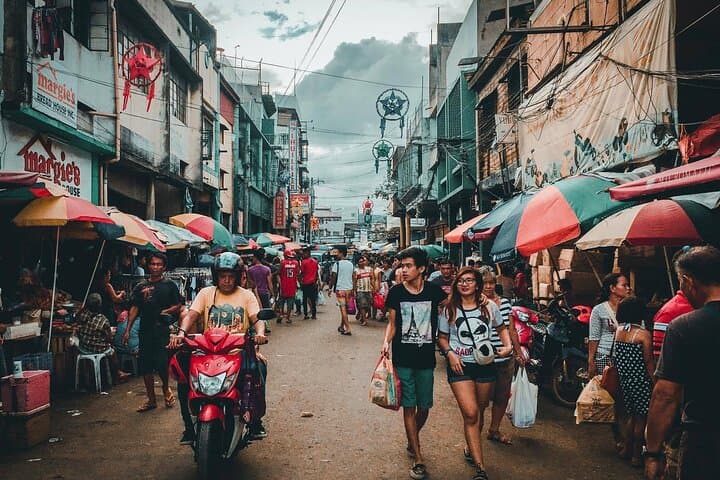
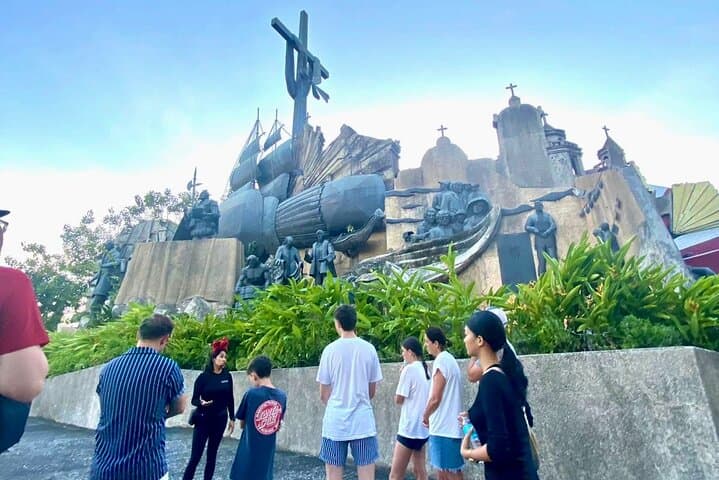
This four‑hour walking tour threads through Cebu City’s core — Magellan’s Cross, the Santo Niño Basilica, Yap‑Sandiego Ancestral House and the bustling Carbon Market — places where Spanish colonial architecture meets contemporary street life. The city’s limestone and coral stone buildings tell a story of 16th‑century contact, trade and the arrival of Christianity after Ferdinand Magellan’s 1521 landing; later American and wartime eras left visible layers in the cathedral façades and civic monuments.
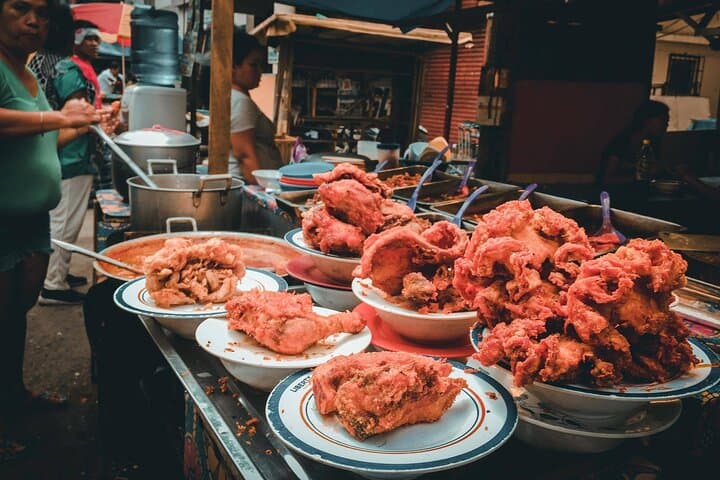
Beyond monuments, the tour is a study in living culture: market sellers balancing crates of tropical fruit, grill smoke curling above skewers of lechon and deep‑fried treats, and the daily rhythms of a port city still tied to the sea.
Practical guidance: wear light, closed shoes and breathable clothing that can be covered to enter churches; carry small bills for market purchases and street food; bring a refillable water bottle and a compact umbrella—sudden showers are common. Expect flat, paved streets but crowded sidewalks and quick tempo between stops; plan for 3–4 hours of easy walking with frequent pauses.
This is an urban exploration that mixes history, food and market culture—ideal for travelers who want sensory, ground‑level access to Cebu’s past and present.
Yes—this tour includes sampled street foods and beverages (water, soda and some alcoholic options), so expect multiple tasting stops rather than a full sit‑down meal.
Yes, the tour notes stroller accessibility, though some narrow market lanes and crowded areas may require folding or lifting the stroller briefly.
Yes—visitors should wear pants or skirts that cover the knee and avoid sleeveless tops to enter Santo Niño Basilica and other religious sites.
Most stalls at Carbon Market are cash‑only; ATMs exist nearby but bring small bills to avoid long queues or unavailable card machines.
Lorelie kalalang ledesma operates guided outdoor trips and adventures with an emphasis on safety, stewardship, and memorable experiences.
You step off the sidewalk and into a downtown that still remembers ships : the port wind carries the tang of sea and frying oil, vendors call across wooden stalls, and a centuries‑old basilica watches over the plaza.
You step off the sidewalk and into a downtown that still remembers ships : the port wind carries the tang of sea and frying oil, vendors call across wooden stalls, and a centuries‑old basilica watches over the plaza.
This four‑hour walking tour threads through Cebu City’s core — Magellan’s Cross, the Santo Niño Basilica, Yap‑Sandiego Ancestral House and the bustling Carbon Market — places where Spanish colonial architecture meets contemporary street life. The city’s limestone and coral stone buildings tell a story of 16th‑century contact, trade and the arrival of Christianity after Ferdinand Magellan’s 1521 landing; later American and wartime eras left visible layers in the cathedral façades and civic monuments.
Beyond monuments, the tour is a study in living culture: market sellers balancing crates of tropical fruit, grill smoke curling above skewers of lechon and deep‑fried treats, and the daily rhythms of a port city still tied to the sea.
Practical guidance: wear light, closed shoes and breathable clothing that can be covered to enter churches; carry small bills for market purchases and street food; bring a refillable water bottle and a compact umbrella—sudden showers are common. Expect flat, paved streets but crowded sidewalks and quick tempo between stops; plan for 3–4 hours of easy walking with frequent pauses.
This is an urban exploration that mixes history, food and market culture—ideal for travelers who want sensory, ground‑level access to Cebu’s past and present.