THE ADVENTURE COLLECTIVE® · Independent discovery and booking for outdoor travel

A full-day trip from Beirut into Lebanon’s high country that pairs the ancient Cedars of God with the cliff-carved Qadisha Valley and the cultural stop at the Gibran Museum. Ideal for travelers wanting history, short hikes, and dramatic mountain scenery in a single day.
A full-day trip from Beirut into Lebanon’s high country that pairs the ancient Cedars of God with the cliff-carved Qadisha Valley and the cultural stop at the Gibran Museum. Ideal for travelers wanting history, short hikes, and dramatic mountain scenery in a single day.
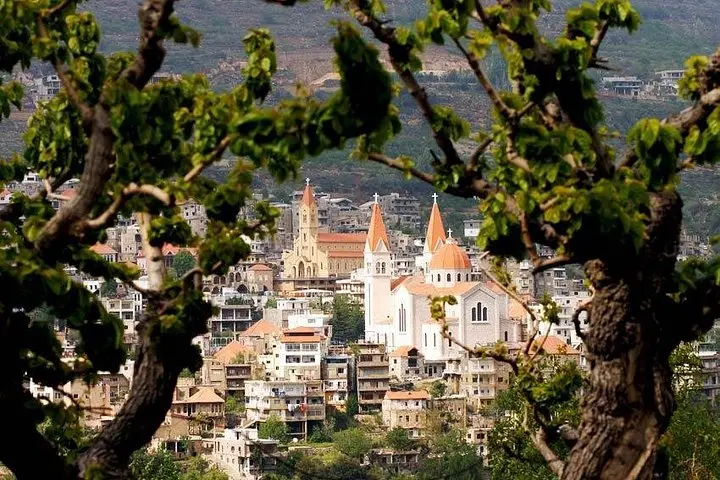
You leave the Mediterranean behind and climb into a landscape that feels older than the cities you left — steep limestone ridges, terraced orchards, and a ribbon of a river cutting the Qadisha (Kadisha) Valley. By mid-morning the bus eases into Bcharre; the air carries the resinous scent of cedars and pine as you step toward trees that have survived millennia.
Verified experiences and guided adventures in the surrounding area.
Operated by Zingy Ride · Bcharre, North Governorate
You leave the Mediterranean behind and climb into a landscape that feels older than the cities you left — steep limestone ridges, terraced orchards, and a ribbon of a river cutting the Qadisha (Kadisha) Valley. By mid-morning the bus eases into Bcharre; the air carries the resinous scent of cedars and pine as you step toward trees that have survived millennia.
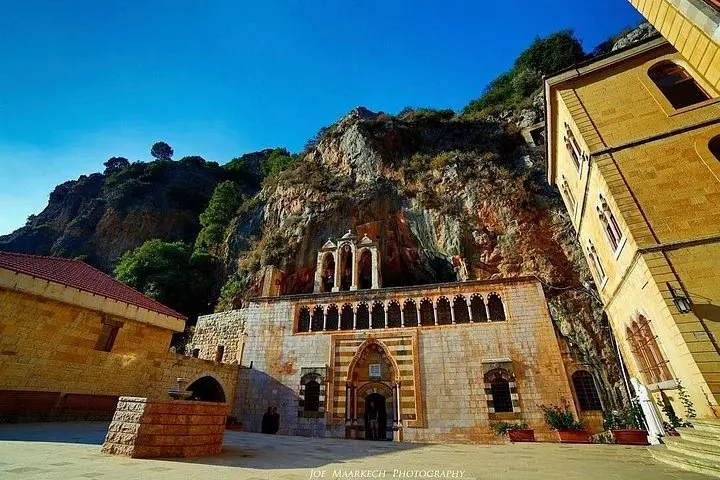
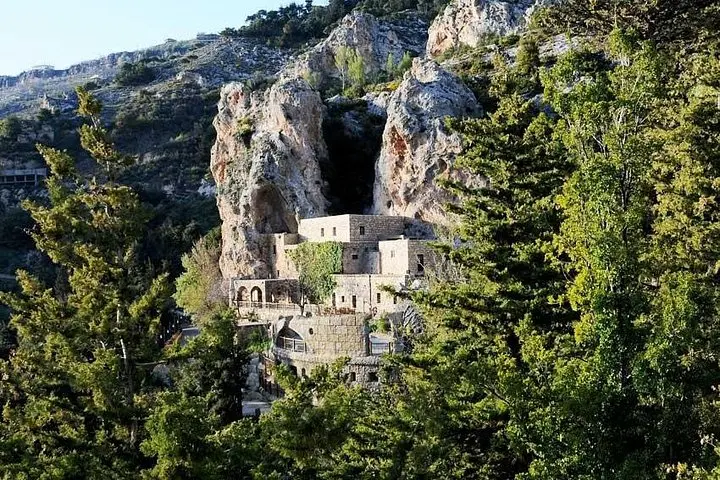
History and faith are visible here: hermit caves and rock monasteries cling to sheer walls where Maronite communities sought refuge during Ottoman rule. The valley’s geology is brutal and exacting — karst limestone carved into cliffs and gullies by winter runoff — which created the dramatic gorge that sheltered these communities.
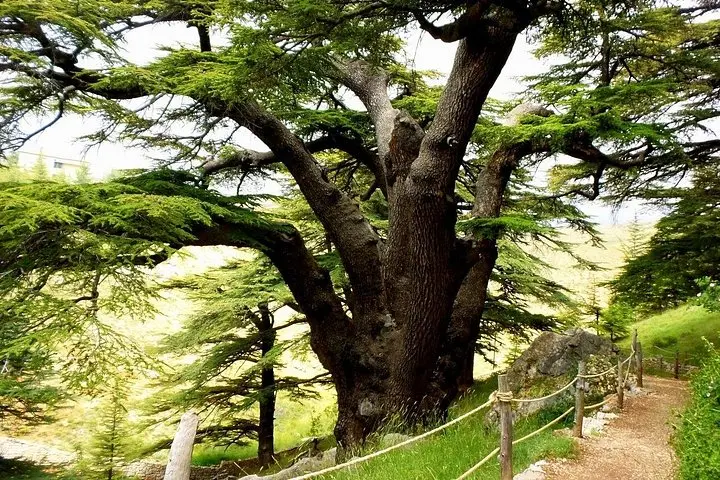
The Cedars of God are compact groves of ancient Pinus libani, survivors from forests that once covered Lebanon’s highlands. The Gibran Museum in Bcharre adds a cultural counterpoint: the poet’s life and sketches connect modern Lebanon to this high-country folklore.
Expect a day-paced combination of driving and short hikes — elevations here range roughly 1,500–2,000 m — with photography stops, a museum visit, and a guided walk through the cedar grove.
Practical edge: wear sturdy shoes for uneven trails, layer for big temperature swings, and carry water and sun protection. Mornings are best for clearer light and cooler hiking; afternoons can be windy. Respect monastic sites and local customs, and budget modest cash for small purchases in village shops. The route is well suited to travelers with moderate fitness looking for a compact, history-rich mountain day from Beirut.
The roundtrip drive is about 2–2.5 hours each way depending on traffic; the total tour is roughly 8 hours including stops.
Yes; the tour description notes entrance to the Gibran Museum and the Cedars site are included.
The cedar grove walk is short and mostly gentle but on uneven ground—suitable for those with moderate fitness.
Yes—this tour offers hotel or private address pickup and drop-off in Beirut.
Zingy Ride operates guided outdoor trips and adventures with an emphasis on safety, stewardship, and memorable experiences.
You leave the Mediterranean behind and climb into a landscape that feels older than the cities you left — steep limestone ridges, terraced orchards, and a ribbon of a river cutting the Qadisha (Kadisha) Valley. By mid-morning the bus eases into Bcharre; the air carries the resinous scent of cedars and pine as you step toward trees that have survived millennia.
You leave the Mediterranean behind and climb into a landscape that feels older than the cities you left — steep limestone ridges, terraced orchards, and a ribbon of a river cutting the Qadisha (Kadisha) Valley. By mid-morning the bus eases into Bcharre; the air carries the resinous scent of cedars and pine as you step toward trees that have survived millennia.
History and faith are visible here: hermit caves and rock monasteries cling to sheer walls where Maronite communities sought refuge during Ottoman rule. The valley’s geology is brutal and exacting — karst limestone carved into cliffs and gullies by winter runoff — which created the dramatic gorge that sheltered these communities.
The Cedars of God are compact groves of ancient Pinus libani, survivors from forests that once covered Lebanon’s highlands. The Gibran Museum in Bcharre adds a cultural counterpoint: the poet’s life and sketches connect modern Lebanon to this high-country folklore.
Expect a day-paced combination of driving and short hikes — elevations here range roughly 1,500–2,000 m — with photography stops, a museum visit, and a guided walk through the cedar grove.
Practical edge: wear sturdy shoes for uneven trails, layer for big temperature swings, and carry water and sun protection. Mornings are best for clearer light and cooler hiking; afternoons can be windy. Respect monastic sites and local customs, and budget modest cash for small purchases in village shops. The route is well suited to travelers with moderate fitness looking for a compact, history-rich mountain day from Beirut.