THE ADVENTURE COLLECTIVE® · Independent discovery and booking for outdoor travel

Cruise Celestún’s mangrove channels to see flamingos, tidal flats and a hidden Mayan riverside site. This short boat ride pairs wildlife viewing with beach time and a traditional clay bath.
Cruise Celestún’s mangrove channels to see flamingos, tidal flats and a hidden Mayan riverside site. This short boat ride pairs wildlife viewing with beach time and a traditional clay bath.
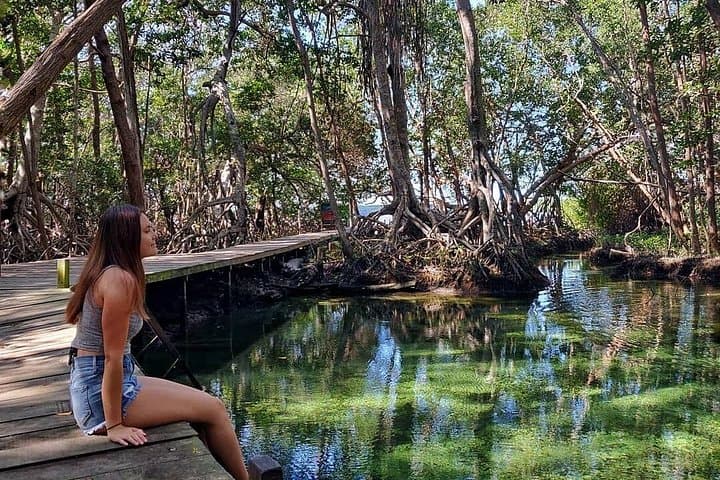
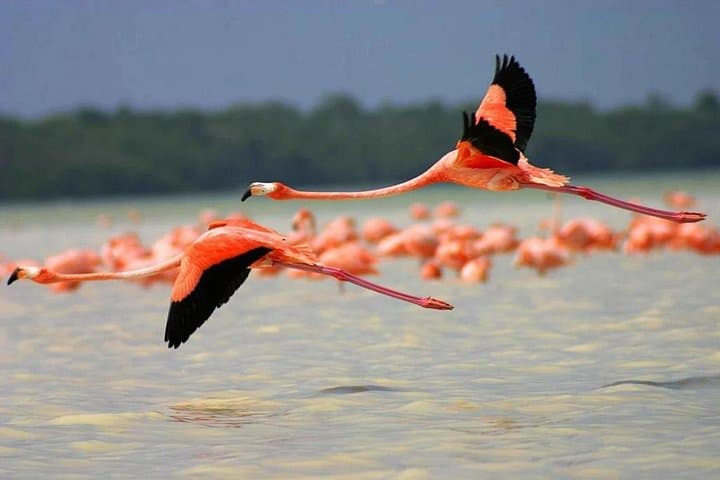
Morning light in Celestún slices across a band of pink: thousands of flamingos pushing through shallow water as a small skiff threads the mangrove maze. The air tastes of salt and decomposing leaves; mangrove roots jut like the ribs of some slow-moving creature, and gulls test the current above.
Verified experiences and guided adventures in the surrounding area.
Operated by Stap Travel Tours · Celestún, Yucatán
Morning light in Celestún slices across a band of pink: thousands of flamingos pushing through shallow water as a small skiff threads the mangrove maze. The air tastes of salt and decomposing leaves; mangrove roots jut like the ribs of some slow-moving creature, and gulls test the current above.
The reserve here is coastal limestone carved by tides and freshwater springs. Mayan communities used these estuaries for shellfish and salt; today Celestún is a protected biosphere where tidal flats and mangrove channels support both resident and migratory species. The Horseshoe Ruins on the estuary’s edge hint at pre-Columbian presence, while small fishing villages preserve Yucatecan ways—simple boats, early markets and seafood grilled over flame.
A typical tour runs a short boat loop: bird island, the mixing of fresh and salt water, narrow mangrove tunnels, a freshwater hole, and a shallow lagoon where flamingos gather. Guides usually point out feeding behaviors, local reeds used by birds, and a “clay bath” area where mineral-rich mud is applied for sun protection and skin softness.
Practical note: departures are best in the cooler morning when birds are most active and wind is low. Bring reef-safe sunscreen, a hat, water and cash for local snacks or the clay bath. Restrooms are at the pier; boats are small and can list in choppy water—light bags and a dry pouch help. Respect viewing distances around colonies and follow your guide’s directions to minimize disturbance.
The guided boat loop lasts roughly 2 hours, with additional free time at the beach included for a total outing near 3 hours.
Flamingos are common in Celestún but sightings depend on season and tides; mornings offer the highest likelihood.
Yes—most tours include a stop for a clay bath and beach time; bring a swimsuit and towel and expect shallow, calm water at the shore.
Basic restrooms are available at the pier before departure; facilities on small boats are not available.
Stap Travel Tours operates guided outdoor trips and adventures with an emphasis on safety, stewardship, and memorable experiences.


Morning light in Celestún slices across a band of pink: thousands of flamingos pushing through shallow water as a small skiff threads the mangrove maze. The air tastes of salt and decomposing leaves; mangrove roots jut like the ribs of some slow-moving creature, and gulls test the current above.
Morning light in Celestún slices across a band of pink: thousands of flamingos pushing through shallow water as a small skiff threads the mangrove maze. The air tastes of salt and decomposing leaves; mangrove roots jut like the ribs of some slow-moving creature, and gulls test the current above.
The reserve here is coastal limestone carved by tides and freshwater springs. Mayan communities used these estuaries for shellfish and salt; today Celestún is a protected biosphere where tidal flats and mangrove channels support both resident and migratory species. The Horseshoe Ruins on the estuary’s edge hint at pre-Columbian presence, while small fishing villages preserve Yucatecan ways—simple boats, early markets and seafood grilled over flame.
A typical tour runs a short boat loop: bird island, the mixing of fresh and salt water, narrow mangrove tunnels, a freshwater hole, and a shallow lagoon where flamingos gather. Guides usually point out feeding behaviors, local reeds used by birds, and a “clay bath” area where mineral-rich mud is applied for sun protection and skin softness.
Practical note: departures are best in the cooler morning when birds are most active and wind is low. Bring reef-safe sunscreen, a hat, water and cash for local snacks or the clay bath. Restrooms are at the pier; boats are small and can list in choppy water—light bags and a dry pouch help. Respect viewing distances around colonies and follow your guide’s directions to minimize disturbance.