THE ADVENTURE COLLECTIVE® · Independent discovery and booking for outdoor travel

Half a day in the Riviera Maya that pairs a cool cenote cavern swim with snorkeling alongside grazing sea turtles in Akumal Bay. Expect guided transport, snorkel gear, and a strong conservation focus—great for travelers with basic snorkeling skills.
Half a day in the Riviera Maya that pairs a cool cenote cavern swim with snorkeling alongside grazing sea turtles in Akumal Bay. Expect guided transport, snorkel gear, and a strong conservation focus—great for travelers with basic snorkeling skills.
You step off the air-conditioned van into a humid canopy, the jungle folding closed behind you while the bay ahead flashes turquoise. In Akumal the water is shallow and clear; seagrass beds ripple and green sea turtles graze with deliberate patience, indifferent to surface skimmers. Later, the cenote opens like a cool cave—light chisels through a circular mouth, bringing suspended mineral clarity and delicate stalactites into brief, brilliant relief.
Verified experiences and guided adventures in the surrounding area.
Operated by Top Tours Mexico · Akumal, Quintana Roo
You step off the air-conditioned van into a humid canopy, the jungle folding closed behind you while the bay ahead flashes turquoise. In Akumal the water is shallow and clear; seagrass beds ripple and green sea turtles graze with deliberate patience, indifferent to surface skimmers. Later, the cenote opens like a cool cave—light chisels through a circular mouth, bringing suspended mineral clarity and delicate stalactites into brief, brilliant relief.
Cenotes are karst sinkholes carved from limestone over millennia; to the Maya they were sources of water and portals to the underworld. Akumal—Zapotec for “place of turtles”—has been a traditional feeding ground for Chelonia mydas, whose seasonal presence supports both local culture and growing conservation programs. The itinerary pairs that cultural thread with geology: a freshwater cavern swim followed by a marine snorkel among seagrass and reef.
Expect a 6–7 hour outing that includes round-trip transport, snorkel equipment, bottled water, and guided briefings. Guides emphasize minimal contact—no touching turtles or kicking seagrass—and many groups ask for a small conservation contribution (noted locally as about 240 MXN) to fund turtle care.
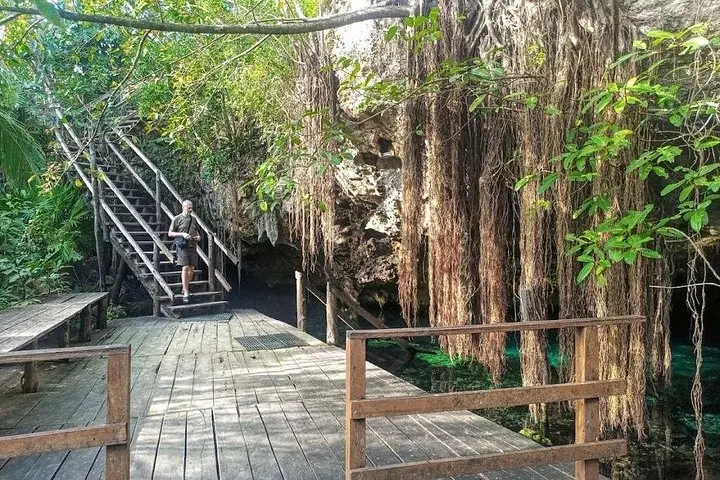
Practical tips: snorkel in the morning for calmer water and fewer boats, wear reef-safe sunscreen and water shoes, and bring a waterproof camera or case. The cenote swim is calmer but may involve ladders and low cave ceilings; moderate fitness and comfort in water are required. Follow guide instructions, pace your breathing around wildlife, and treat both the cenote and bay as fragile places that reward quiet attention.
No—turtles are wild animals and sightings can't be guaranteed, but Akumal Bay is a regular feeding area and encounters are common, especially in the morning.
Yes — standard snorkel masks and fins are provided, though bringing a personal mask can improve comfort and fit.
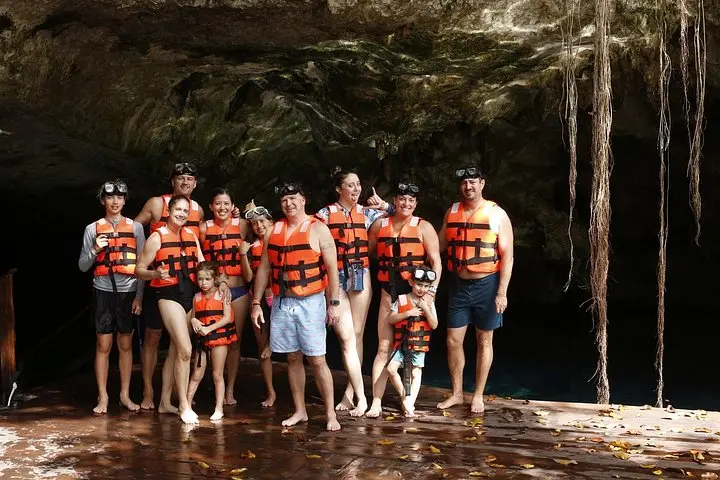
The cenote portion is supervised and typically shallow in designated swim areas, but participants should be comfortable in water and able to follow guide instructions; life vests are available.
No — touching, chasing, or feeding turtles is prohibited to protect their health and the seagrass habitat; guides will instruct proper viewing distance.
Top Tours Mexico operates guided outdoor trips and adventures with an emphasis on safety, stewardship, and memorable experiences.
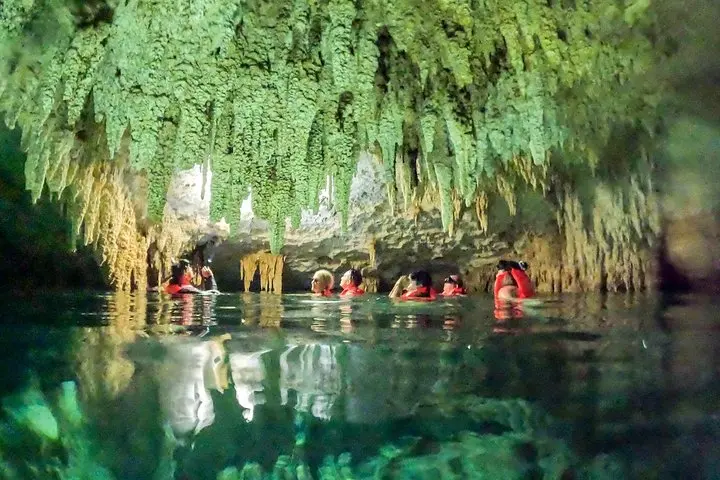
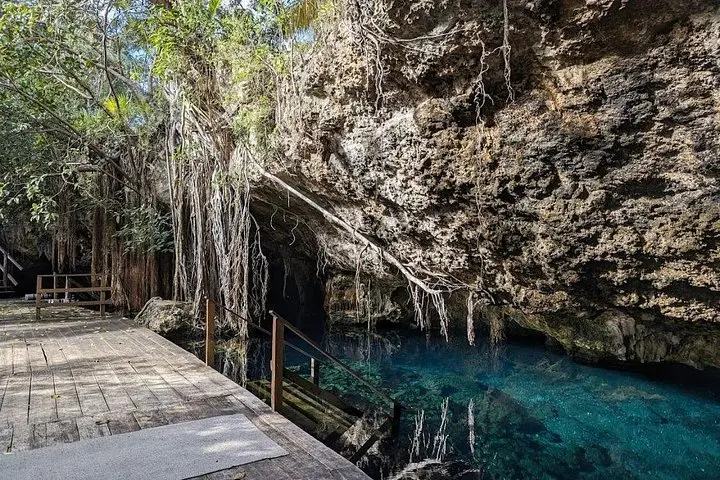
You step off the air-conditioned van into a humid canopy, the jungle folding closed behind you while the bay ahead flashes turquoise. In Akumal the water is shallow and clear; seagrass beds ripple and green sea turtles graze with deliberate patience, indifferent to surface skimmers. Later, the cenote opens like a cool cave—light chisels through a circular mouth, bringing suspended mineral clarity and delicate stalactites into brief, brilliant relief.
You step off the air-conditioned van into a humid canopy, the jungle folding closed behind you while the bay ahead flashes turquoise. In Akumal the water is shallow and clear; seagrass beds ripple and green sea turtles graze with deliberate patience, indifferent to surface skimmers. Later, the cenote opens like a cool cave—light chisels through a circular mouth, bringing suspended mineral clarity and delicate stalactites into brief, brilliant relief.
Cenotes are karst sinkholes carved from limestone over millennia; to the Maya they were sources of water and portals to the underworld. Akumal—Zapotec for “place of turtles”—has been a traditional feeding ground for Chelonia mydas, whose seasonal presence supports both local culture and growing conservation programs. The itinerary pairs that cultural thread with geology: a freshwater cavern swim followed by a marine snorkel among seagrass and reef.
Expect a 6–7 hour outing that includes round-trip transport, snorkel equipment, bottled water, and guided briefings. Guides emphasize minimal contact—no touching turtles or kicking seagrass—and many groups ask for a small conservation contribution (noted locally as about 240 MXN) to fund turtle care.
Practical tips: snorkel in the morning for calmer water and fewer boats, wear reef-safe sunscreen and water shoes, and bring a waterproof camera or case. The cenote swim is calmer but may involve ladders and low cave ceilings; moderate fitness and comfort in water are required. Follow guide instructions, pace your breathing around wildlife, and treat both the cenote and bay as fragile places that reward quiet attention.