THE ADVENTURE COLLECTIVE® · Independent discovery and booking for outdoor travel

Train in one of the Yucatán’s cenotes with instructors who tailor sessions to certified freedivers. Expect breath-hold drills, depth protocols, and the surreal clarity of underground water in a Mayan-jungle setting.
Train in one of the Yucatán’s cenotes with instructors who tailor sessions to certified freedivers. Expect breath-hold drills, depth protocols, and the surreal clarity of underground water in a Mayan-jungle setting.
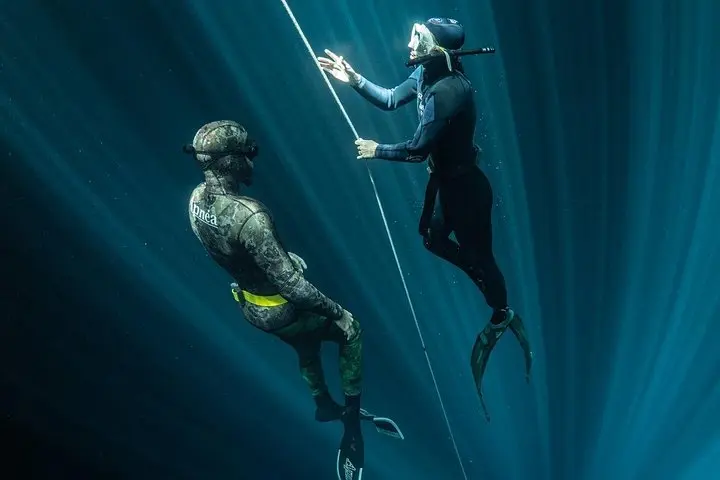
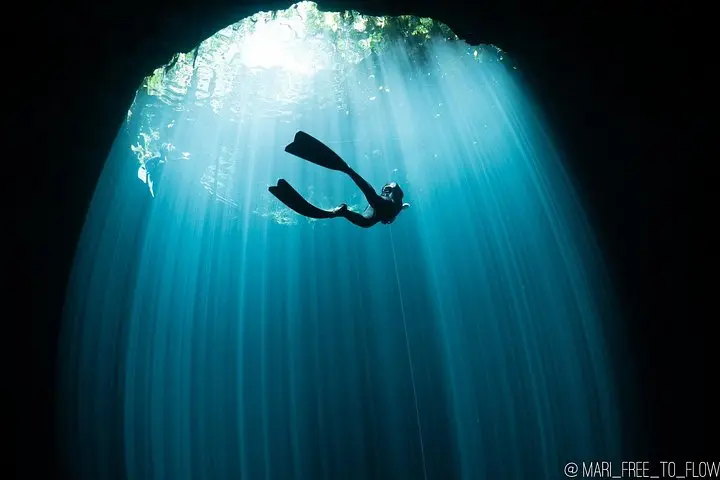
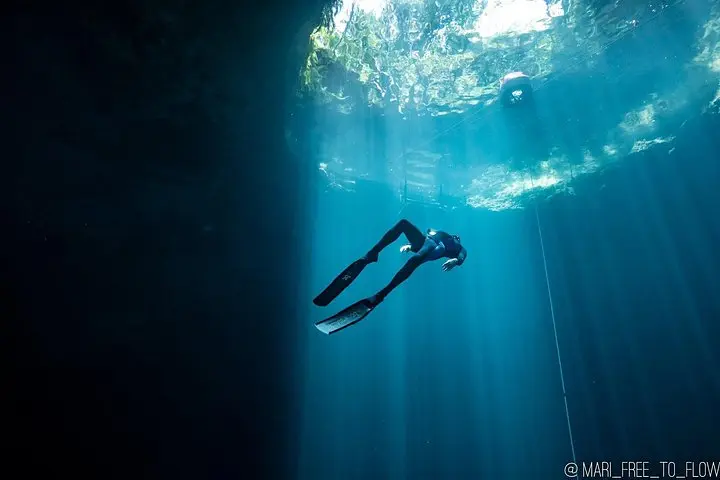
The first breath on the limestone rim is always the same: cool air, a whisper of jungle, and that blue-black water that seems to hold its own rules. In a cenote, shafts of sunlight cut through a still surface and the cave overhead invites you to move slowly, deliberately — the environment itself pressing you to refine technique and control.
Verified experiences and guided adventures in the surrounding area.
Operated by SCUBA LIBRE · Playa del Carmen, Quintana Roo
The first breath on the limestone rim is always the same: cool air, a whisper of jungle, and that blue-black water that seems to hold its own rules. In a cenote, shafts of sunlight cut through a still surface and the cave overhead invites you to move slowly, deliberately — the environment itself pressing you to refine technique and control.
Cenotes are openings in the Yucatán’s porous limestone where groundwater and subterranean rivers meet the surface. These sinkholes were sacred to the Maya and today they offer an uncommon training ground—clear water, dramatic rock structures, and overhead features that challenge buoyancy and equalization.
Expect a day paced by skills: breath-hold drills, streamline and finning efficiency, depth and recovery protocols, and site-specific safety procedures. Instructors tailor sessions to certified freedivers, using the cenote’s unique features—rock ledges, haloclines, and caverns—to simulate varied conditions you might encounter on open-water dives.
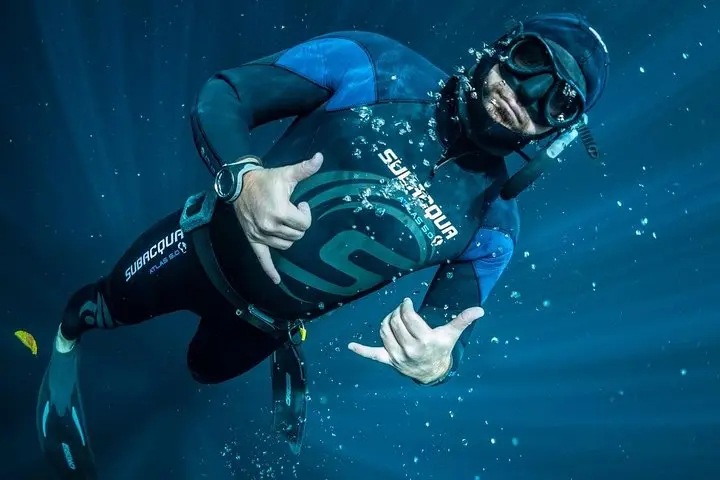
Practical notes: water is typically 24–26°C (may feel cooler at depth), visibility is excellent in many cenotes but can change with weather, and access often involves steps or short swims from parking areas. The operators supply basic freediving gear and transport to the cenote; bring your own logbook, personal mask or suit if you prefer, and a refillable water bottle.
This is training with focus: precise, safety-first, and rooted in a landscape that rewards calm, efficient diving. Leave room in the plan for surface recovery, short classroom briefings, and the slow, attentive listening that makes freediving both a discipline and an unforgettable way to move through the Mayan underground.
This program is for certified freedivers only; you must present proof of certification when booking and on-site.
Basic freediving equipment (mask/snorkel/fins/wetsuit/weight belt) is listed as included, though many divers prefer to bring their personal mask and fins.
If you have chronic ear or sinus problems, consult a physician and disclose the condition—equalization is essential and instructors will assess your comfort before depth work.
Professional operators run strict safety protocols including buddy systems, surface support, and site briefings; choose operators that emphasize rescue skills and conservative depth limits.
SCUBA LIBRE operates guided outdoor trips and adventures with an emphasis on safety, stewardship, and memorable experiences.
The first breath on the limestone rim is always the same: cool air, a whisper of jungle, and that blue-black water that seems to hold its own rules. In a cenote, shafts of sunlight cut through a still surface and the cave overhead invites you to move slowly, deliberately — the environment itself pressing you to refine technique and control.
The first breath on the limestone rim is always the same: cool air, a whisper of jungle, and that blue-black water that seems to hold its own rules. In a cenote, shafts of sunlight cut through a still surface and the cave overhead invites you to move slowly, deliberately — the environment itself pressing you to refine technique and control.
Cenotes are openings in the Yucatán’s porous limestone where groundwater and subterranean rivers meet the surface. These sinkholes were sacred to the Maya and today they offer an uncommon training ground—clear water, dramatic rock structures, and overhead features that challenge buoyancy and equalization.
Expect a day paced by skills: breath-hold drills, streamline and finning efficiency, depth and recovery protocols, and site-specific safety procedures. Instructors tailor sessions to certified freedivers, using the cenote’s unique features—rock ledges, haloclines, and caverns—to simulate varied conditions you might encounter on open-water dives.
Practical notes: water is typically 24–26°C (may feel cooler at depth), visibility is excellent in many cenotes but can change with weather, and access often involves steps or short swims from parking areas. The operators supply basic freediving gear and transport to the cenote; bring your own logbook, personal mask or suit if you prefer, and a refillable water bottle.
This is training with focus: precise, safety-first, and rooted in a landscape that rewards calm, efficient diving. Leave room in the plan for surface recovery, short classroom briefings, and the slow, attentive listening that makes freediving both a discipline and an unforgettable way to move through the Mayan underground.