THE ADVENTURE COLLECTIVE® · Independent discovery and booking for outdoor travel

Explore the architecture, food halls and civic landmarks of Downtown Los Angeles on a focused 3-hour walking tour. This route pairs well-researched history with hands-on local insights and a lunchtime stop at Grand Central Market.
Explore the architecture, food halls and civic landmarks of Downtown Los Angeles on a focused 3-hour walking tour. This route pairs well-researched history with hands-on local insights and a lunchtime stop at Grand Central Market.
Standing in Grand Park at 1pm, the city unspools in layers: civic columns, mid-century glass, and the scalloped roof of a concert hall that still wakes the pavement. The guide leads a compact group through lanes and plazas where Los Angeles began, streets that still argue with the horizon and with one another.
Verified experiences and guided adventures in the surrounding area.
Operated by The Real Los Angeles Tours · Los Angeles, California
Standing in Grand Park at 1pm, the city unspools in layers: civic columns, mid-century glass, and the scalloped roof of a concert hall that still wakes the pavement. The guide leads a compact group through lanes and plazas where Los Angeles began, streets that still argue with the horizon and with one another.
DTLA is both a preserved archive and a living neighborhood. Walkers pass City Hall and the Biltmore—sites tied to Hollywood’s early boom—and the Bradbury Building’s ironwork, a Victorian flourish in an otherwise modern grid. Geology surfaces in paved form: the plain of the Los Angeles Basin stretches west, while the San Gabriel foothills press like a backdrop to the north, shaping historic drainage and development patterns that determined where rail and industry took root.
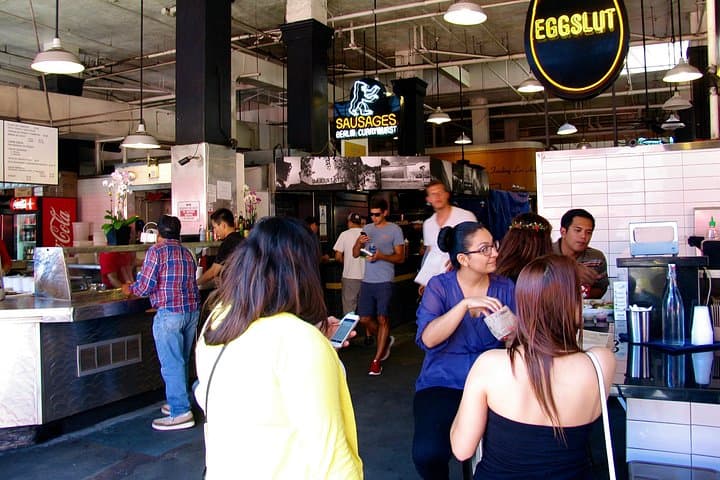
Culture here is visible in food stalls at Grand Central Market, Latino and immigrant-owned storefronts, and the slow reinvention of former garment and movie-district blocks into bars, galleries and start-ups. Guides typically thread architectural history, civic anecdotes and recent development trends into a three-hour route that ends near the 7th Street Metro Center.
Practical guidance: wear comfortable, broken-in walking shoes and bring a transit card if you plan to stay downtown after the tour. Expect 2–3 miles on mostly flat sidewalks with occasional steps; restrooms and shade are intermittent. Plan arrival 15 minutes early—the operator cannot wait for latecomers—and reserve extra time if you want to linger at Grand Central Market afterwards.
The guide checks in guests at the entrance to Civic Center Metro Station in Grand Park (222 N Hill Street) from 15 minutes before the start time.
Children under 12 are free and strollers are permitted; the route uses sidewalks and occasional steps—book a private tour if mobility is a concern.
The operator cannot wait for latecomers; arriving at least 10–15 minutes early is strongly recommended to ensure participation.
For a full refund cancel at least 24 hours before departure; cancellations inside 24 hours are not refundable.
The Real Los Angeles Tours operates guided outdoor trips and adventures with an emphasis on safety, stewardship, and memorable experiences.
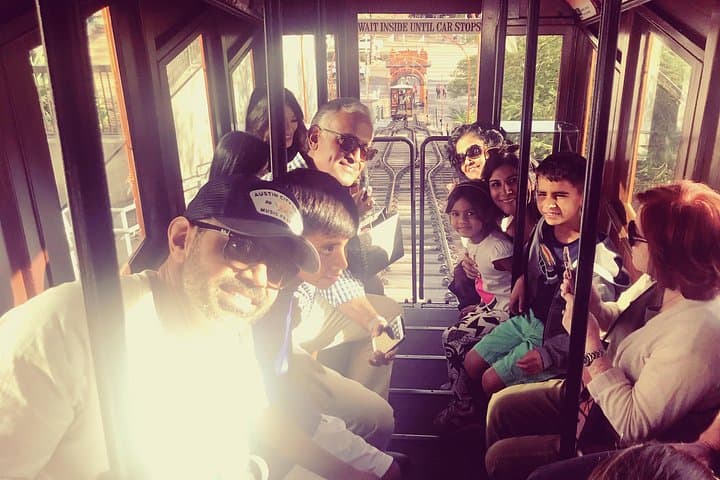
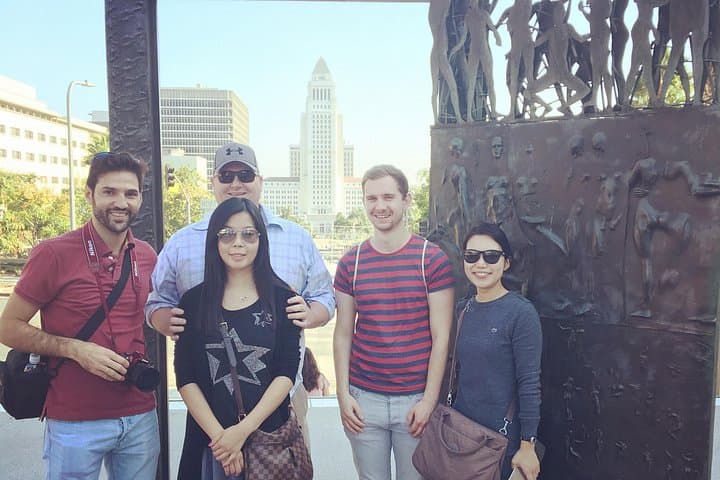
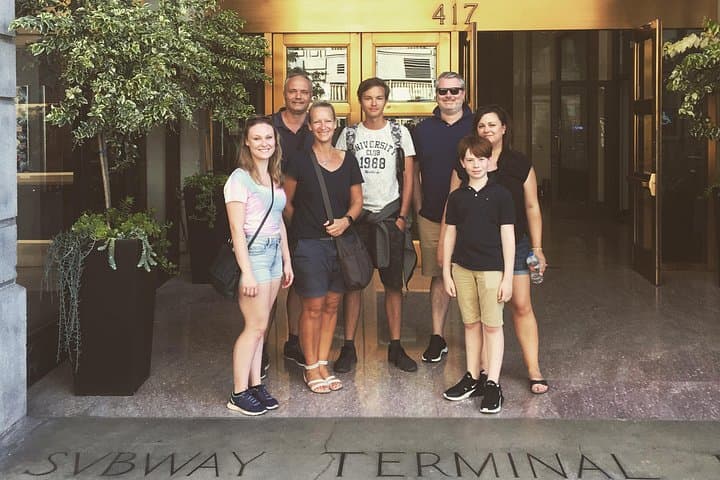
Standing in Grand Park at 1pm, the city unspools in layers: civic columns, mid-century glass, and the scalloped roof of a concert hall that still wakes the pavement. The guide leads a compact group through lanes and plazas where Los Angeles began, streets that still argue with the horizon and with one another.
Standing in Grand Park at 1pm, the city unspools in layers: civic columns, mid-century glass, and the scalloped roof of a concert hall that still wakes the pavement. The guide leads a compact group through lanes and plazas where Los Angeles began, streets that still argue with the horizon and with one another.
DTLA is both a preserved archive and a living neighborhood. Walkers pass City Hall and the Biltmore—sites tied to Hollywood’s early boom—and the Bradbury Building’s ironwork, a Victorian flourish in an otherwise modern grid. Geology surfaces in paved form: the plain of the Los Angeles Basin stretches west, while the San Gabriel foothills press like a backdrop to the north, shaping historic drainage and development patterns that determined where rail and industry took root.
Culture here is visible in food stalls at Grand Central Market, Latino and immigrant-owned storefronts, and the slow reinvention of former garment and movie-district blocks into bars, galleries and start-ups. Guides typically thread architectural history, civic anecdotes and recent development trends into a three-hour route that ends near the 7th Street Metro Center.
Practical guidance: wear comfortable, broken-in walking shoes and bring a transit card if you plan to stay downtown after the tour. Expect 2–3 miles on mostly flat sidewalks with occasional steps; restrooms and shade are intermittent. Plan arrival 15 minutes early—the operator cannot wait for latecomers—and reserve extra time if you want to linger at Grand Central Market afterwards.