THE ADVENTURE COLLECTIVE® · Independent discovery and booking for outdoor travel

Spend a private half-day exploring Three Lakes WMA and Joe Overstreet Landing with an experienced guide. Expect targeted stops for raptors, secretive marsh birds and rare scrub specialists—ideal for listers and photographers alike.
Spend a private half-day exploring Three Lakes WMA and Joe Overstreet Landing with an experienced guide. Expect targeted stops for raptors, secretive marsh birds and rare scrub specialists—ideal for listers and photographers alike.
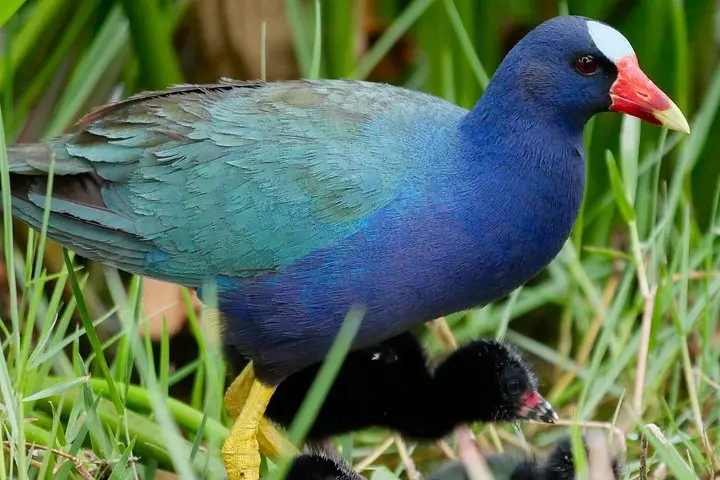
Morning light slices across sawgrass as a guide lifts a pair of binoculars and points: a Swallow-tailed Kite threads the thermals while a Limpkin calls from cattail edges. The tour begins at the small pullout at Canoe Creek Road and Prairie Lakes Road and moves through a mix of scrub, wet prairie and oak hammocks—habitats that make central Florida unusually productive for birding.
Verified experiences and guided adventures in the surrounding area.
Operated by Archaeopteryx Birding and Nature Tours · Kissimmee, Florida
Morning light slices across sawgrass as a guide lifts a pair of binoculars and points: a Swallow-tailed Kite threads the thermals while a Limpkin calls from cattail edges. The tour begins at the small pullout at Canoe Creek Road and Prairie Lakes Road and moves through a mix of scrub, wet prairie and oak hammocks—habitats that make central Florida unusually productive for birding.
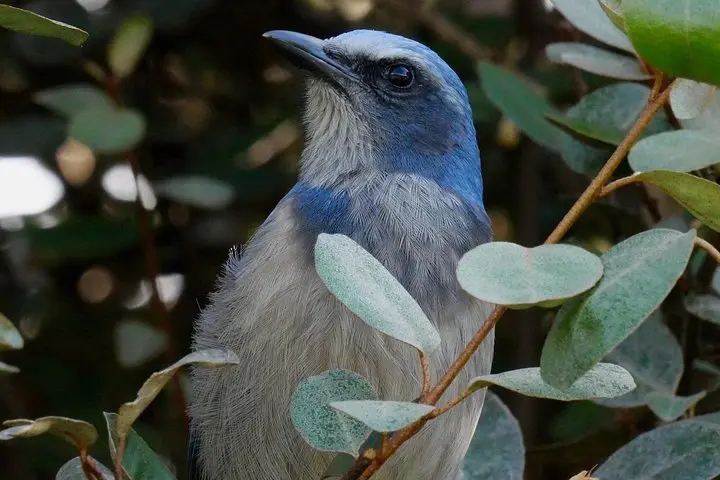
The area sits over Pleistocene sand ridges and shallow marsh basins carved by ancient river flow; cattle ranching and drainage in the 20th century altered the hydrology, and today the Wildlife Management Area protects remnant wetlands and scrub habitat. Cultural ties are simple and practical here—ranch gates, hunting pens and old fence lines mark a working landscape that supports Bald Eagles, Snail Kites and the regionally important Florida Scrub-jay.
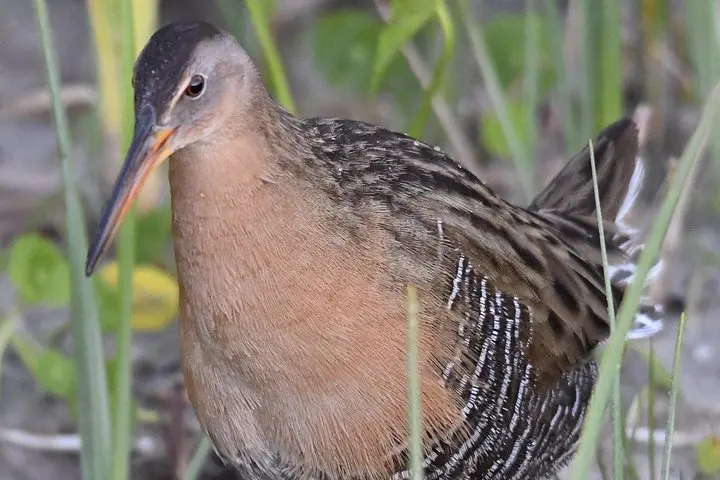
Expect a steady but relaxed pace: the private, half-day format focuses on targeted stops for both listers and photographers. Guides will move along short footpaths, roadside edges and boat-access points at Joe Overstreet Landing to show raptors on thermal days and secretive marsh species at water’s edge.
Practical guidance: bring binoculars and a field guide, wear light layers and closed-toe shoes suitable for damp ground, and carry water—the route includes short hikes across uneven, sometimes muddy terrain. Mornings are best for raptor activity and passerine song; summer brings mosquitoes and mid-day heat, while fall migration can spike species counts. Respect posted WMA rules, stay on designated roads and trails, and keep a respectful distance from nests and roosts to protect sensitive species.
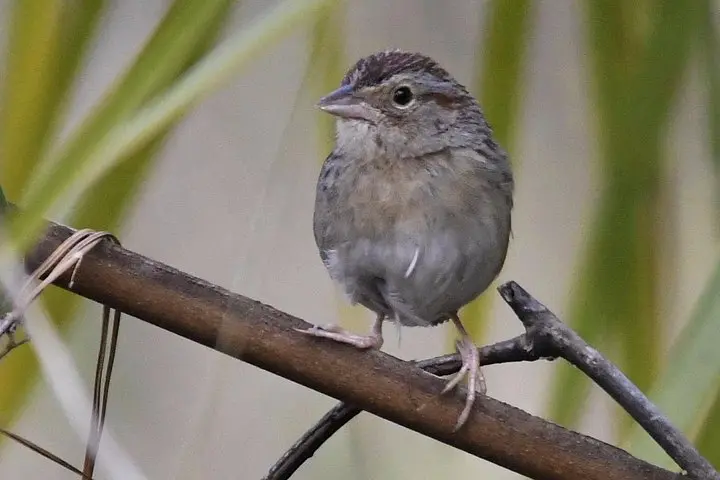
Species counts vary by season and weather; expect 20–60 species, with raptors and marsh birds highlighted in the morning.
Yes—guides accommodate photographers with flexible stops and patience for composition; bring a telephoto lens for raptors.
The tour is suitable for most ages and fitness levels, but participants should be able to walk short distances on uneven ground.
The tour price includes the WMA entry fee; guests should still follow posted WMA regulations and leave permits visible if required.
Archaeopteryx Birding and Nature Tours operates guided outdoor trips and adventures with an emphasis on safety, stewardship, and memorable experiences.
Morning light slices across sawgrass as a guide lifts a pair of binoculars and points: a Swallow-tailed Kite threads the thermals while a Limpkin calls from cattail edges. The tour begins at the small pullout at Canoe Creek Road and Prairie Lakes Road and moves through a mix of scrub, wet prairie and oak hammocks—habitats that make central Florida unusually productive for birding.
Morning light slices across sawgrass as a guide lifts a pair of binoculars and points: a Swallow-tailed Kite threads the thermals while a Limpkin calls from cattail edges. The tour begins at the small pullout at Canoe Creek Road and Prairie Lakes Road and moves through a mix of scrub, wet prairie and oak hammocks—habitats that make central Florida unusually productive for birding.
The area sits over Pleistocene sand ridges and shallow marsh basins carved by ancient river flow; cattle ranching and drainage in the 20th century altered the hydrology, and today the Wildlife Management Area protects remnant wetlands and scrub habitat. Cultural ties are simple and practical here—ranch gates, hunting pens and old fence lines mark a working landscape that supports Bald Eagles, Snail Kites and the regionally important Florida Scrub-jay.
Expect a steady but relaxed pace: the private, half-day format focuses on targeted stops for both listers and photographers. Guides will move along short footpaths, roadside edges and boat-access points at Joe Overstreet Landing to show raptors on thermal days and secretive marsh species at water’s edge.
Practical guidance: bring binoculars and a field guide, wear light layers and closed-toe shoes suitable for damp ground, and carry water—the route includes short hikes across uneven, sometimes muddy terrain. Mornings are best for raptor activity and passerine song; summer brings mosquitoes and mid-day heat, while fall migration can spike species counts. Respect posted WMA rules, stay on designated roads and trails, and keep a respectful distance from nests and roosts to protect sensitive species.