THE ADVENTURE COLLECTIVE® · Independent discovery and booking for outdoor travel

Walk Central’s layered streets on a guided three-hour Heritage Walk that combines colonial history, tram time, and repurposed civic sites. Learn how reclamation and commerce shaped the waterfront while riding an iconic double-decker tram.
Walk Central’s layered streets on a guided three-hour Heritage Walk that combines colonial history, tram time, and repurposed civic sites. Learn how reclamation and commerce shaped the waterfront while riding an iconic double-decker tram.
You step out of Central MTR and into a city that moves on its own timetable: trams clatter like a slow heartbeat, granite steps slope toward shuttered shops, and a white post box marks the meeting point at the General Post Office. The three-hour Heritage Walk threads through the arteries of Central—past colonial façades, narrow lanes, and a police compound reborn as a cultural hub—where each corner keeps one foot in the past and another on a reclamation map.
Verified experiences and guided adventures in the surrounding area.
Operated by Walk Hong Kong Limited · Hong Kong, Hong Kong
You step out of Central MTR and into a city that moves on its own timetable: trams clatter like a slow heartbeat, granite steps slope toward shuttered shops, and a white post box marks the meeting point at the General Post Office. The three-hour Heritage Walk threads through the arteries of Central—past colonial façades, narrow lanes, and a police compound reborn as a cultural hub—where each corner keeps one foot in the past and another on a reclamation map.
Hong Kong Island’s Central district grew rapidly after British rule began in 1841; repeated land reclamation reshaped shoreline and streets, but many pre-war buildings remain, offering a visible record of trade, law, and daily life. Geologically, the island’s granite outcrops forced early builders to stack streets and stairs; culturally, Cantonese, British, and global trade influences overlap in temples, shops, and cafes along the route.
Expect close-up looks at old streets and a Taoist temple, stories about colonial infrastructure, and a short ride on the double-decker tram—an icon that still carries commuters and history alike. The guide points out adaptive reuse projects like Tai Kwun and explains how reclamation changed the waterfront’s relationship to the city.
Practical notes: wear comfortable walking shoes, carry water, and bring a light rain layer—storms can arrive quickly. The route is mostly paved with some stairs; transport links are excellent so you can cut the tour short if needed. Mornings are cooler and quieter; evenings light up the neon and dining scene if you want to explore afterward.
The walk begins and ends at the General Post Office at street level (Exit K from Central MTR); the guide will confirm exact meeting details on booking.
Yes—a short tram ride is included as part of the itinerary, but tram seating is first-come; expect to stand during busy periods.
The route includes stairs and uneven pavement; while mostly paved, it may be challenging for those requiring step-free access—contact the operator for accommodations.
Guides typically operate in English; other languages may be available on request—check when booking.
Walk Hong Kong Limited operates guided outdoor trips and adventures with an emphasis on safety, stewardship, and memorable experiences.
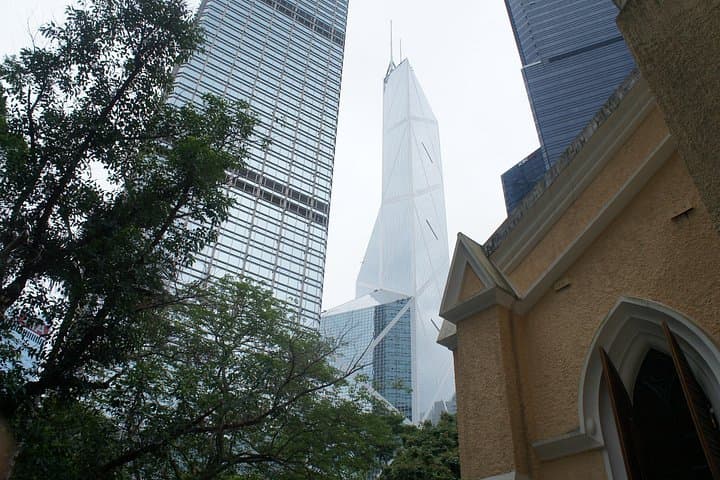
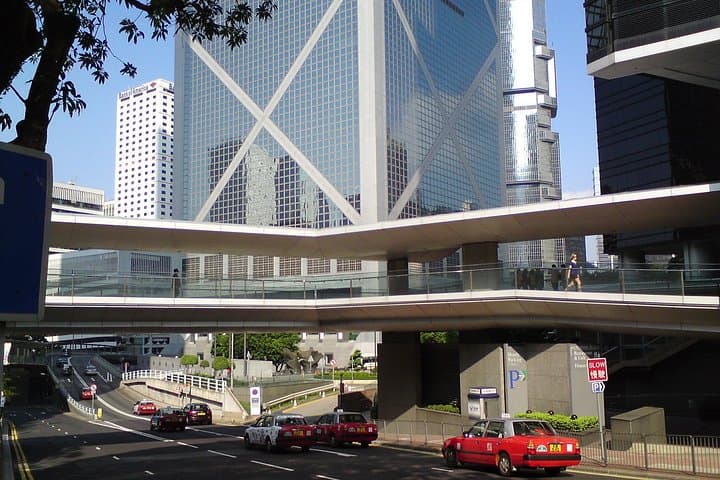
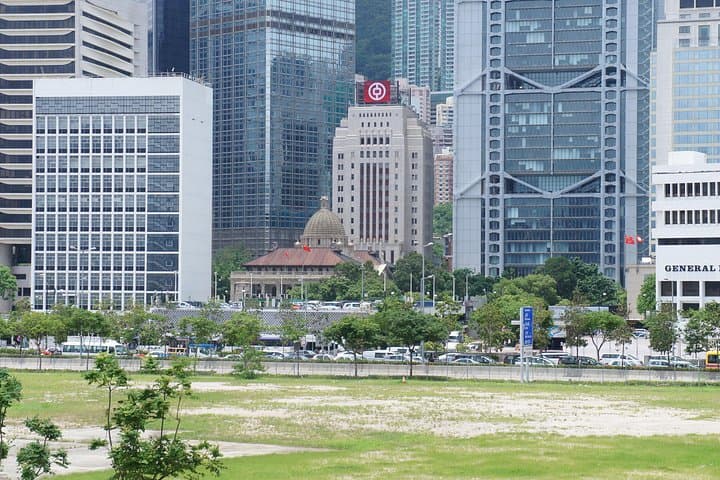
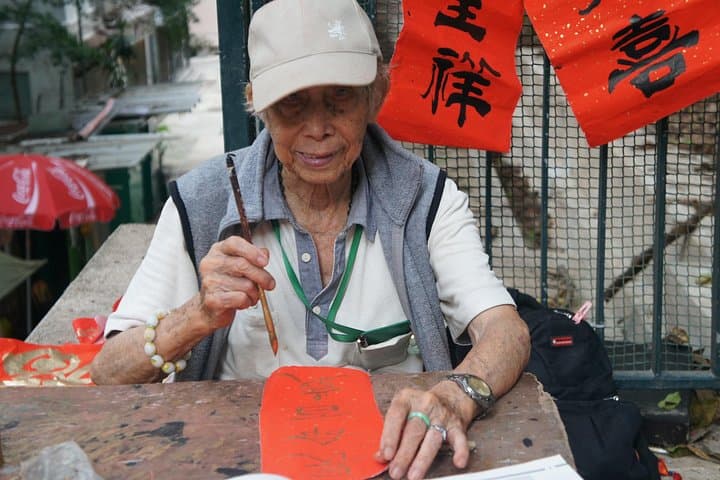
You step out of Central MTR and into a city that moves on its own timetable: trams clatter like a slow heartbeat, granite steps slope toward shuttered shops, and a white post box marks the meeting point at the General Post Office. The three-hour Heritage Walk threads through the arteries of Central—past colonial façades, narrow lanes, and a police compound reborn as a cultural hub—where each corner keeps one foot in the past and another on a reclamation map.
You step out of Central MTR and into a city that moves on its own timetable: trams clatter like a slow heartbeat, granite steps slope toward shuttered shops, and a white post box marks the meeting point at the General Post Office. The three-hour Heritage Walk threads through the arteries of Central—past colonial façades, narrow lanes, and a police compound reborn as a cultural hub—where each corner keeps one foot in the past and another on a reclamation map.
Hong Kong Island’s Central district grew rapidly after British rule began in 1841; repeated land reclamation reshaped shoreline and streets, but many pre-war buildings remain, offering a visible record of trade, law, and daily life. Geologically, the island’s granite outcrops forced early builders to stack streets and stairs; culturally, Cantonese, British, and global trade influences overlap in temples, shops, and cafes along the route.
Expect close-up looks at old streets and a Taoist temple, stories about colonial infrastructure, and a short ride on the double-decker tram—an icon that still carries commuters and history alike. The guide points out adaptive reuse projects like Tai Kwun and explains how reclamation changed the waterfront’s relationship to the city.
Practical notes: wear comfortable walking shoes, carry water, and bring a light rain layer—storms can arrive quickly. The route is mostly paved with some stairs; transport links are excellent so you can cut the tour short if needed. Mornings are cooler and quieter; evenings light up the neon and dining scene if you want to explore afterward.