THE ADVENTURE COLLECTIVE® · Independent discovery and booking for outdoor travel

Move from Ulaanbaatar into central Mongolia on an eight-day route that blends Terelj's forests, the sand-and-volcanic edges of Elsen Tasarkhai, and a two-day horse trek through the Naiman Nuur lake group. Expect ger stays, nomadic visits and a soak at Tsenkher hot spring.
Move from Ulaanbaatar into central Mongolia on an eight-day route that blends Terelj's forests, the sand-and-volcanic edges of Elsen Tasarkhai, and a two-day horse trek through the Naiman Nuur lake group. Expect ger stays, nomadic visits and a soak at Tsenkher hot spring.
Wind off the steppe first meets you on the highway out of Ulaanbaatar — a raw, cold breath that promises wide horizons. By afternoon the landscape has already changed: granite ribs and pine-sprinkled slopes of Terelj give way to long sand ridges and the high-mountain lakes of Naiman Nuur. On horseback you move at a human pace, following local guides through larch forest, across river fords and into valleys where nomadic gers dot the grassland.
Verified experiences and guided adventures in the surrounding area.
Operated by Vast Steppe Mongolia · Ulaanbaatar, Arkhangai Province (multi-region route)
Wind off the steppe first meets you on the highway out of Ulaanbaatar — a raw, cold breath that promises wide horizons. By afternoon the landscape has already changed: granite ribs and pine-sprinkled slopes of Terelj give way to long sand ridges and the high-mountain lakes of Naiman Nuur. On horseback you move at a human pace, following local guides through larch forest, across river fords and into valleys where nomadic gers dot the grassland.
This route traces longtime human corridors: seasonal herding on volcanic foothills, trade routes that fed the medieval capital of Kharhorin, and Buddhist sites like Erdene Zuu. Geologically the region shifts quickly — Hangai volcanic plateaus, glacial-cut lake basins, and semi-Gobi sand fields appear in the same day. Culturally the trip centers on family-run herding livelihoods: guests sleep in gers, share dairies and mutton stews, and watch yak and horse husbandry up close.
Practical side: expect long drives (roughly 1,700+ km over the trip), simple camp or ger accommodations, and two full days mounted across lakes and mountain passes (15–25 km riding days). Guides handle horse packing and river crossings; riders should know basic seat and rein control or be prepared for an intro lesson. Bring layered clothing for cold nights, waterproofs for sudden showers, and a small daypack for snacks and camera. Hydrate at every stop and accept that schedules shift in remote terrain — flexibility is part of the route's reward.
No — guides provide instruction and lead horses for novices, but basic comfort on a horse improves your experience and endurance over multi-day rides.
Pack light: soft duffels under 10–12 kg are standard; organizers will transfer main bags by vehicle or pack horse as arranged.
Stays vary by night — many nights are in family gers, which may be private for couples or shared in groups depending on group size and local arrangements.
Tap water in Ulaanbaatar is treated; in the field use filtered or boiled water provided by guides or carry purification tablets to be safe.
Vast Steppe Mongolia operates guided outdoor trips and adventures with an emphasis on safety, stewardship, and memorable experiences.
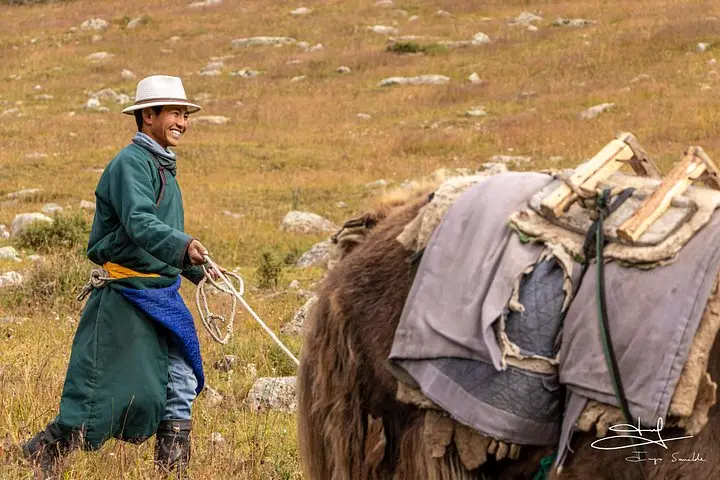
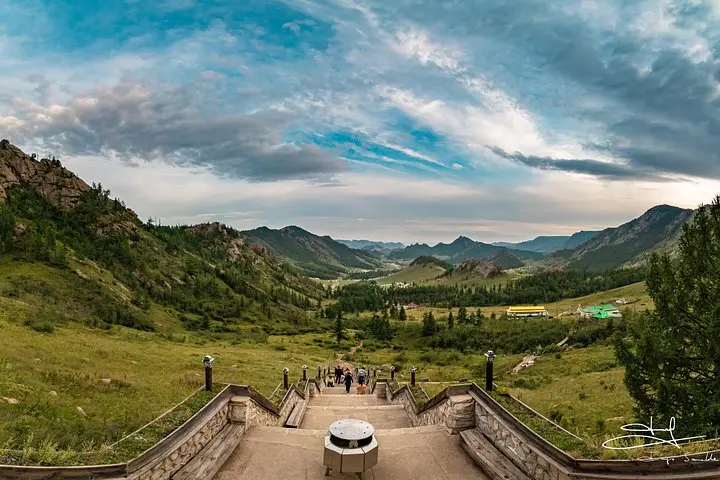
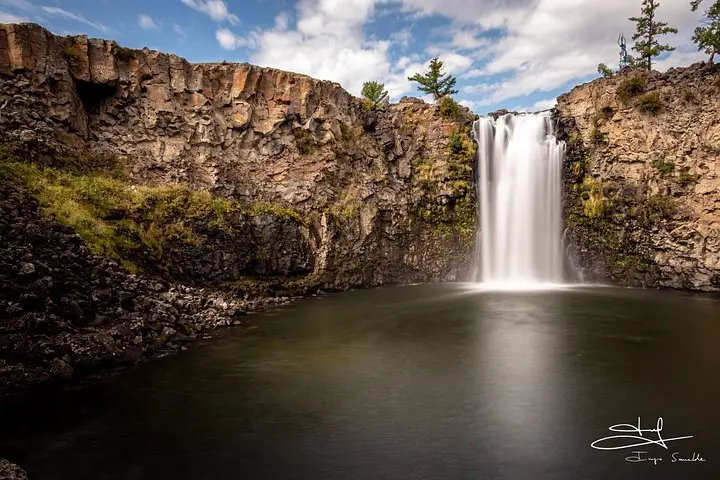
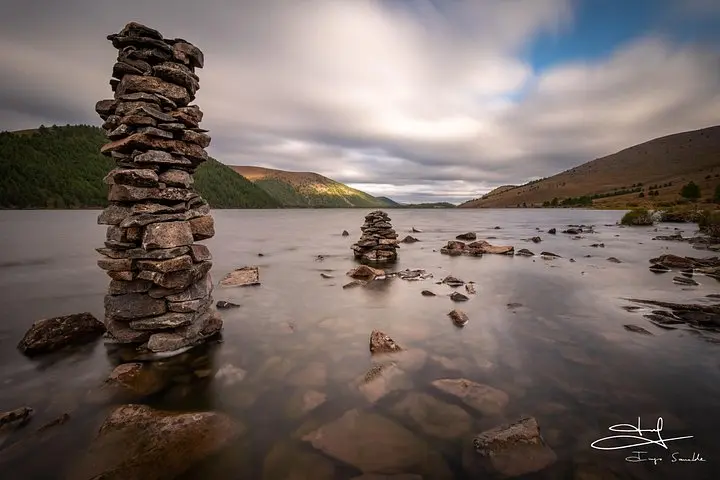
Wind off the steppe first meets you on the highway out of Ulaanbaatar — a raw, cold breath that promises wide horizons. By afternoon the landscape has already changed: granite ribs and pine-sprinkled slopes of Terelj give way to long sand ridges and the high-mountain lakes of Naiman Nuur. On horseback you move at a human pace, following local guides through larch forest, across river fords and into valleys where nomadic gers dot the grassland.
Wind off the steppe first meets you on the highway out of Ulaanbaatar — a raw, cold breath that promises wide horizons. By afternoon the landscape has already changed: granite ribs and pine-sprinkled slopes of Terelj give way to long sand ridges and the high-mountain lakes of Naiman Nuur. On horseback you move at a human pace, following local guides through larch forest, across river fords and into valleys where nomadic gers dot the grassland.
This route traces longtime human corridors: seasonal herding on volcanic foothills, trade routes that fed the medieval capital of Kharhorin, and Buddhist sites like Erdene Zuu. Geologically the region shifts quickly — Hangai volcanic plateaus, glacial-cut lake basins, and semi-Gobi sand fields appear in the same day. Culturally the trip centers on family-run herding livelihoods: guests sleep in gers, share dairies and mutton stews, and watch yak and horse husbandry up close.
Practical side: expect long drives (roughly 1,700+ km over the trip), simple camp or ger accommodations, and two full days mounted across lakes and mountain passes (15–25 km riding days). Guides handle horse packing and river crossings; riders should know basic seat and rein control or be prepared for an intro lesson. Bring layered clothing for cold nights, waterproofs for sudden showers, and a small daypack for snacks and camera. Hydrate at every stop and accept that schedules shift in remote terrain — flexibility is part of the route's reward.