THE ADVENTURE COLLECTIVE® · Independent discovery and booking for outdoor travel

Explore Central Park by night with a pro photographer—from Pulitzer Fountain to the Bethesda Terrace and skyline viewpoints. This two-hour, small-group tour teaches low-light technique and long exposures while you photograph classic NYC scenes.
Explore Central Park by night with a pro photographer—from Pulitzer Fountain to the Bethesda Terrace and skyline viewpoints. This two-hour, small-group tour teaches low-light technique and long exposures while you photograph classic NYC scenes.
You step out of the subway into a strip of late-evening light and find the Pulitzer Fountain at 59th and 5th—your meeting point—framed by the Plaza Hotel and the first crest of Central Park. The air tastes of city heat and damp earth; paths curve away into shadowed trees while the Manhattan skyline glows beyond the treetops. Over two hours, a professional photographer guides a small group across paved promenades and stone terraces, stopping at the Bethesda Fountain, a notable park bridge, and vantage points for the skyline.
Verified experiences and guided adventures in the surrounding area.
Operated by New York City Photo Safari · New York, New York
You step out of the subway into a strip of late-evening light and find the Pulitzer Fountain at 59th and 5th—your meeting point—framed by the Plaza Hotel and the first crest of Central Park. The air tastes of city heat and damp earth; paths curve away into shadowed trees while the Manhattan skyline glows beyond the treetops. Over two hours, a professional photographer guides a small group across paved promenades and stone terraces, stopping at the Bethesda Fountain, a notable park bridge, and vantage points for the skyline.
Central Park, designed by Frederick Law Olmsted and Calvert Vaux in the 1850s, was built as an engineered landscape—man-made hills, beds, and water features carved from glacial moraine that once reshaped Manhattan’s topography. At night those design moves become compositional tools: terraces become frames, lamplight sculpts arches, and reflections on Conservatory Water flirt with long exposures.
This tour favors practical technique: long exposures at low ISO, using a tripod on uneven flagstone, and composing citylight with natural foreground. Expect mostly flat walking on paved surfaces with low elevation change (roughly 1.5–2.5 miles total, minimal gain), some stairs at terraces, and well-lit stretches mixed with darker pockets.
Plan to bring a sturdy tripod, spare batteries, and a headlamp for gear changes. The guide covers settings, composition, and safety in small groups (max six). The walk ends near the Metropolitan Museum of Art, leaving you with edited-in-your-head frames of the city’s architecture and the park’s nocturnal character.
Yes—organizers specify that you must bring a tripod to participate; it’s essential for long-exposure night work.
No—the night session is not wheelchair accessible due to stairs and uneven surfaces at several photo stops.
A moderate level of fitness and basic knowledge of camera manual settings helps; the guide will teach low-light techniques but expects participants to handle their own gear.
Groups are small (up to six people) and the tour runs approximately two hours, beginning at Pulitzer Fountain and ending near the Metropolitan Museum of Art.
New York City Photo Safari operates guided outdoor trips and adventures with an emphasis on safety, stewardship, and memorable experiences.
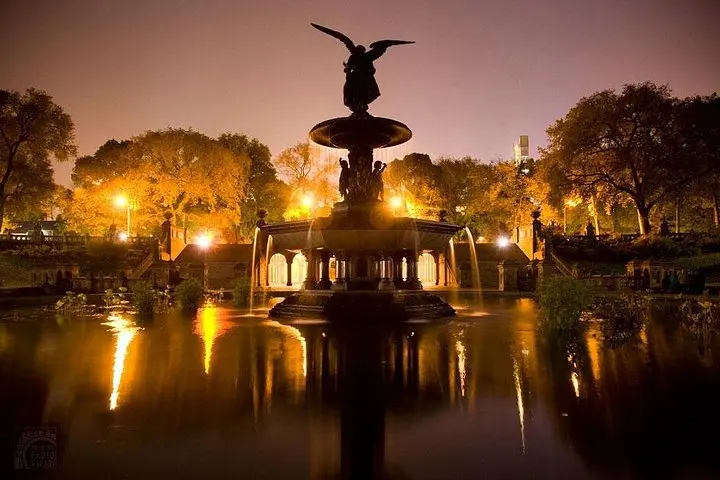
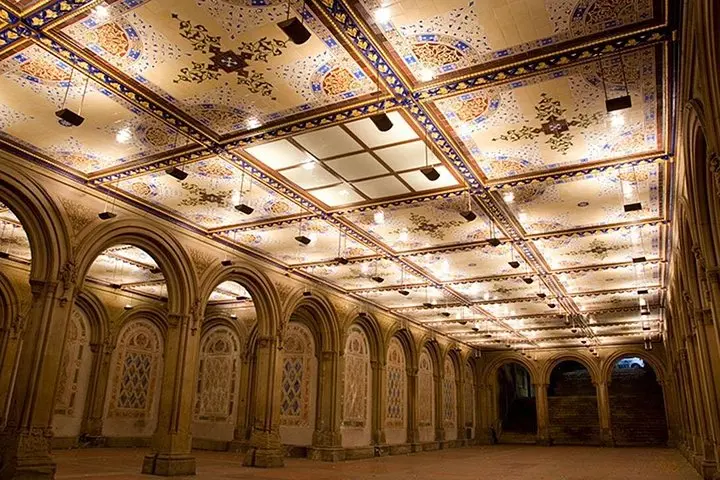
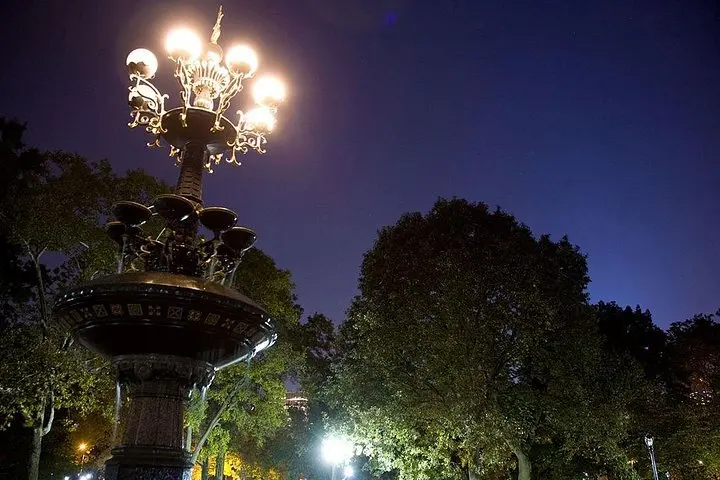
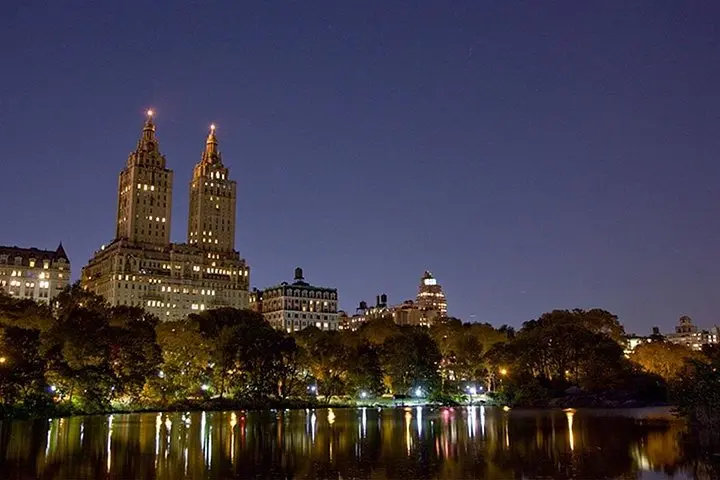
You step out of the subway into a strip of late-evening light and find the Pulitzer Fountain at 59th and 5th—your meeting point—framed by the Plaza Hotel and the first crest of Central Park. The air tastes of city heat and damp earth; paths curve away into shadowed trees while the Manhattan skyline glows beyond the treetops. Over two hours, a professional photographer guides a small group across paved promenades and stone terraces, stopping at the Bethesda Fountain, a notable park bridge, and vantage points for the skyline.
You step out of the subway into a strip of late-evening light and find the Pulitzer Fountain at 59th and 5th—your meeting point—framed by the Plaza Hotel and the first crest of Central Park. The air tastes of city heat and damp earth; paths curve away into shadowed trees while the Manhattan skyline glows beyond the treetops. Over two hours, a professional photographer guides a small group across paved promenades and stone terraces, stopping at the Bethesda Fountain, a notable park bridge, and vantage points for the skyline.
Central Park, designed by Frederick Law Olmsted and Calvert Vaux in the 1850s, was built as an engineered landscape—man-made hills, beds, and water features carved from glacial moraine that once reshaped Manhattan’s topography. At night those design moves become compositional tools: terraces become frames, lamplight sculpts arches, and reflections on Conservatory Water flirt with long exposures.
This tour favors practical technique: long exposures at low ISO, using a tripod on uneven flagstone, and composing citylight with natural foreground. Expect mostly flat walking on paved surfaces with low elevation change (roughly 1.5–2.5 miles total, minimal gain), some stairs at terraces, and well-lit stretches mixed with darker pockets.
Plan to bring a sturdy tripod, spare batteries, and a headlamp for gear changes. The guide covers settings, composition, and safety in small groups (max six). The walk ends near the Metropolitan Museum of Art, leaving you with edited-in-your-head frames of the city’s architecture and the park’s nocturnal character.