THE ADVENTURE COLLECTIVE® · Independent discovery and booking for outdoor travel

A classic 45-minute horse-drawn carriage through Central Park that pairs measured sightseeing with a peaceful pace. Pass Bethesda Terrace, Strawberry Fields, the Dakota and Balto while a professional driver narrates and pauses for photos.
A classic 45-minute horse-drawn carriage through Central Park that pairs measured sightseeing with a peaceful pace. Pass Bethesda Terrace, Strawberry Fields, the Dakota and Balto while a professional driver narrates and pauses for photos.
You step out onto Central Park South and the carriage waits—black iron, polished wood, a draft horse lifting its head as traffic hums behind you. The clip of hooves dials the city down; in forty-five minutes the drive threads past Bethesda Terrace, skirts Strawberry Fields, and passes the Dakota, each landmark framed by trees that lean in as if listening.
Verified experiences and guided adventures in the surrounding area.
Operated by Troy Carriages · New York, New York
You step out onto Central Park South and the carriage waits—black iron, polished wood, a draft horse lifting its head as traffic hums behind you. The clip of hooves dials the city down; in forty-five minutes the drive threads past Bethesda Terrace, skirts Strawberry Fields, and passes the Dakota, each landmark framed by trees that lean in as if listening.
Central Park opened in the 1850s, designed by Frederick Law Olmsted and Calvert Vaux as a democratic green space and carriage drives are a living remnant of that 19th-century plan. The park’s bedrock is Manhattan schist, sliced by old glacial action, which gives the paths their gentle rises and the viewpoints their abrupt city-to-greenroom shifts. Culturally, the ride sits at an intersection of tourism, local ritual, and urban history—Balto’s statue nods to early-20th-century civic pride while Strawberry Fields honors a modern cultural icon.
Practical details: meet at 59th St and 7th Ave (Central Park South), text your host on arrival, and expect a relaxed, mostly flat route suitable for all ages. Photo stops are included; drivers provide historical commentary and quick facts that orient the route. The operator allows strollers and service animals, and the ride is wheelchair accessible when arranged in advance.
Plan for weather: a light jacket in breezy months, sunscreen in summer, and early reservations on weekends. Respect the animals—avoid sudden noises—and tip your driver for local knowledge and safe handling. This is a gentle, accessible way to absorb Central Park’s layered history without tiring your legs.
Meet at 59th Street and 7th Avenue (Central Park South) and text the operator that you have arrived as instructed in your booking.
The operator indicates wheelchair-accessible options—contact them ahead of time to arrange accessibility needs.
Yes—infants can sit on laps and strollers are accommodated, but notify the operator during booking if you’re bringing a pram.
For a full refund cancel at least 24 hours before your scheduled departure; bookings are subject to weather cancellations.
Troy Carriages operates guided outdoor trips and adventures with an emphasis on safety, stewardship, and memorable experiences.
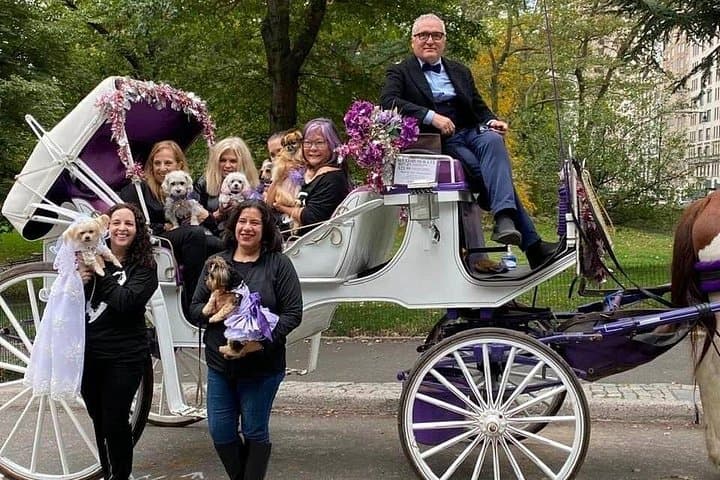
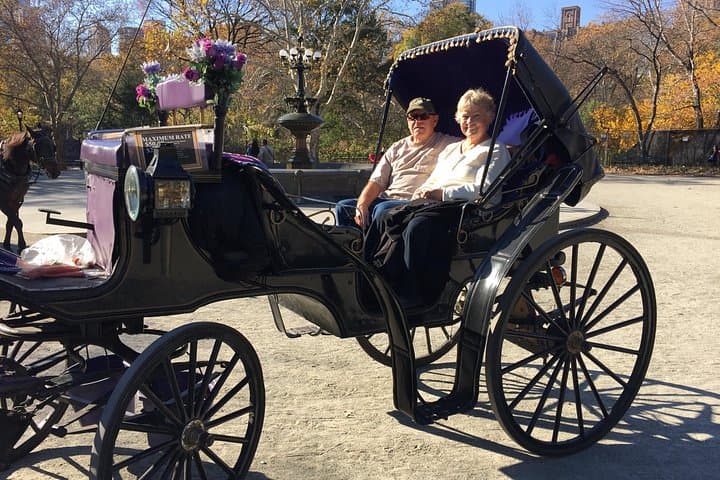
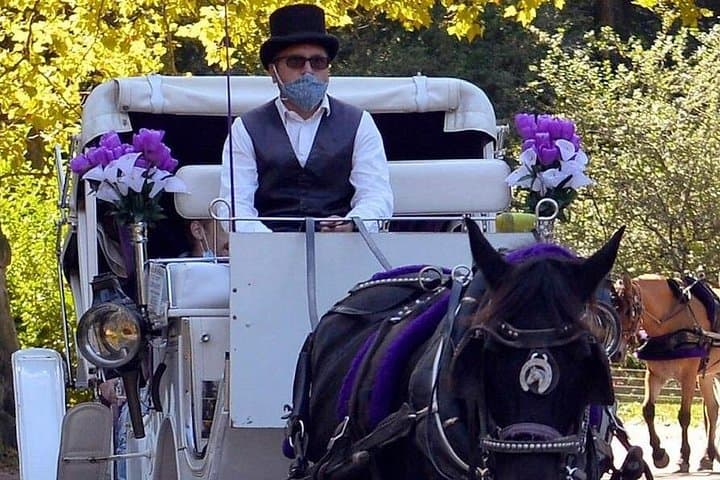
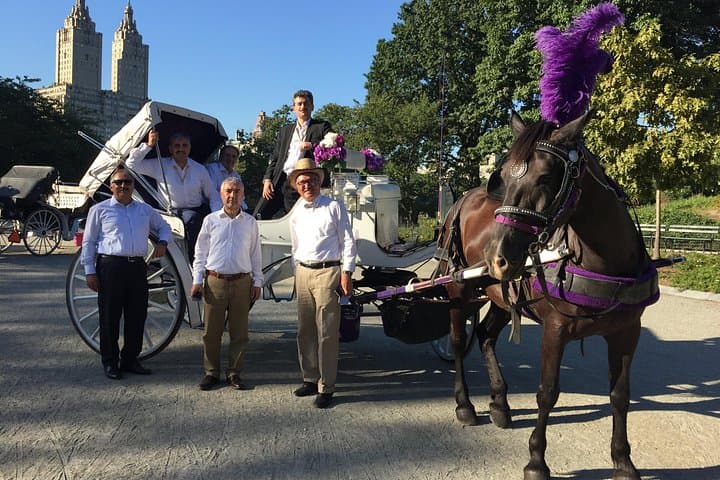
You step out onto Central Park South and the carriage waits—black iron, polished wood, a draft horse lifting its head as traffic hums behind you. The clip of hooves dials the city down; in forty-five minutes the drive threads past Bethesda Terrace, skirts Strawberry Fields, and passes the Dakota, each landmark framed by trees that lean in as if listening.
You step out onto Central Park South and the carriage waits—black iron, polished wood, a draft horse lifting its head as traffic hums behind you. The clip of hooves dials the city down; in forty-five minutes the drive threads past Bethesda Terrace, skirts Strawberry Fields, and passes the Dakota, each landmark framed by trees that lean in as if listening.
Central Park opened in the 1850s, designed by Frederick Law Olmsted and Calvert Vaux as a democratic green space and carriage drives are a living remnant of that 19th-century plan. The park’s bedrock is Manhattan schist, sliced by old glacial action, which gives the paths their gentle rises and the viewpoints their abrupt city-to-greenroom shifts. Culturally, the ride sits at an intersection of tourism, local ritual, and urban history—Balto’s statue nods to early-20th-century civic pride while Strawberry Fields honors a modern cultural icon.
Practical details: meet at 59th St and 7th Ave (Central Park South), text your host on arrival, and expect a relaxed, mostly flat route suitable for all ages. Photo stops are included; drivers provide historical commentary and quick facts that orient the route. The operator allows strollers and service animals, and the ride is wheelchair accessible when arranged in advance.
Plan for weather: a light jacket in breezy months, sunscreen in summer, and early reservations on weekends. Respect the animals—avoid sudden noises—and tip your driver for local knowledge and safe handling. This is a gentle, accessible way to absorb Central Park’s layered history without tiring your legs.