THE ADVENTURE COLLECTIVE® · Independent discovery and booking for outdoor travel

Trace Central Vietnam’s coastal spine from Da Nang’s harbor roads to Hue’s Imperial Citadel. This five-day circuit pairs the Golden Bridge and Ba Na Hills with the sacred Champa ruins at My Son and Hoi An’s old-town streets—ideal for travelers who want cultural depth with coastal scenery.
Trace Central Vietnam’s coastal spine from Da Nang’s harbor roads to Hue’s Imperial Citadel. This five-day circuit pairs the Golden Bridge and Ba Na Hills with the sacred Champa ruins at My Son and Hoi An’s old-town streets—ideal for travelers who want cultural depth with coastal scenery.
The morning opens on a coastal road where the sea seems to hurry you along—the Hai Van Pass drops and climbs, revealing Da Nang’s harbor, then folds into the green shoulders of Ba Na Hills.
Verified experiences and guided adventures in the surrounding area.
Operated by Chat Tourist · Hoi An, Quang Nam
The morning opens on a coastal road where the sea seems to hurry you along—the Hai Van Pass drops and climbs, revealing Da Nang’s harbor, then folds into the green shoulders of Ba Na Hills.
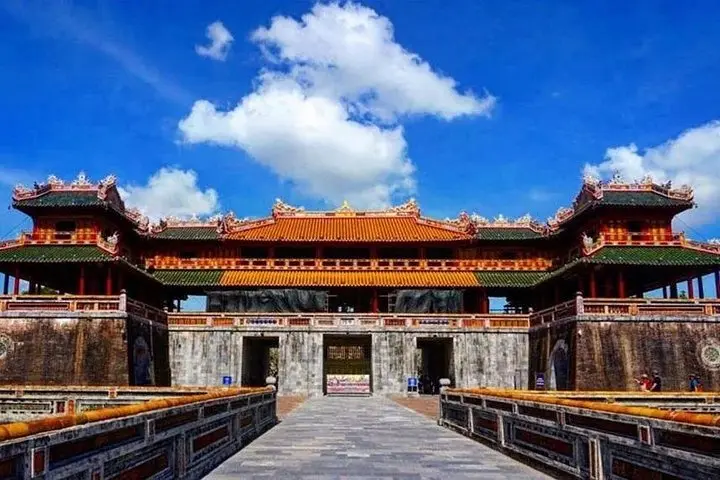
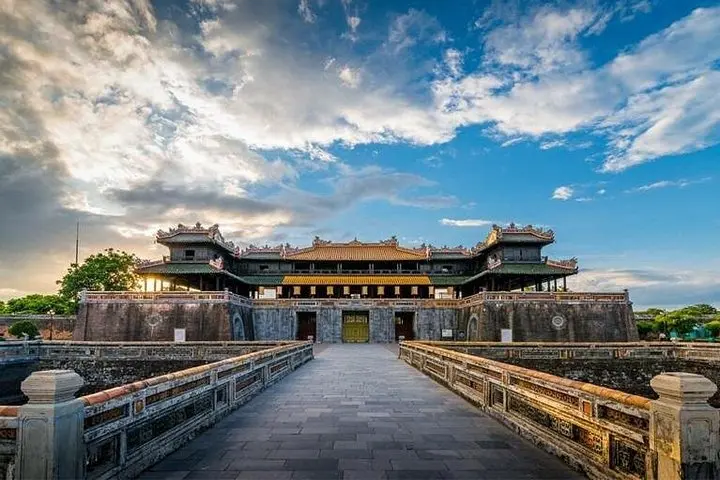
Over five days travelers move between distinct tempos: the laid-back courtyards of Hoi An, the forested cable-car climb to the Golden Bridge, the reverent stone clusters at My Son, and the imperial solemnity of Hue’s Citadel. My Son’s red-brick Cham towers date from about the 4th–13th centuries and sit in a fertile valley that hints at past trade routes and ritual life. Ba Na’s cable car ascends roughly 1,400–1,500 meters, offering a breath-stealing perspective before the Golden Bridge’s curved hands frame the sky. The Hai Van Pass, cresting near 500 meters, gives panoramic views of Lang Co Bay’s pale sand and shifting tides.
Cultural notes: Hoi An is a UNESCO-listed port town known for well-preserved wooden houses and the Japanese Covered Bridge; Hue is the Nguyễn dynasty’s former capital with ornate tombs and a riverside pagoda culture. Geologically, the Annamite Range channels monsoon moisture, feeding the region’s lush valleys and coastal plains.
Practical edge: expect multiple short drives—Da Nang to Hoi An ~30 km, Hoi An to My Son ~40 km—and many stairs at temples and tombs. Carry a light rain shell, a reusable water bottle, and comfortable walking shoes with good grip for temple steps and uneven stone. Morning light is best for My Son and Hai Van viewpoints; afternoons suit Hoi An’s lantern-lit streets. Guides typically handle tickets and most logistics; travelers should bring travel documents, local currency, and a sense of patience for traffic and crowds.
Yes—pace is generally relaxed and activities are low-impact, but the itinerary involves stairs and short walks; inform the operator of mobility needs.
Most days include 1–3 hours of walking broken into short segments—temple complexes, markets, and short hikes at viewpoints.
The tour includes listed entrance fees and three lunches and dinners as indicated in the itinerary; check the exact inclusions before booking.
An English-speaking guide is provided; request other language options in advance if needed.
Chat Tourist operates guided outdoor trips and adventures with an emphasis on safety, stewardship, and memorable experiences.
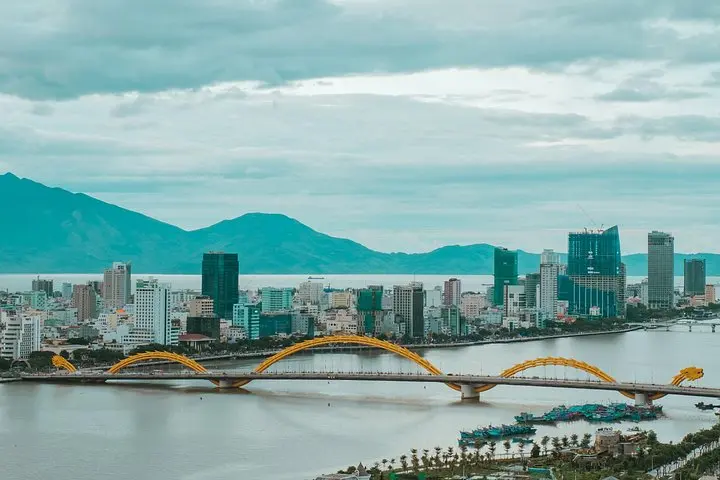

The morning opens on a coastal road where the sea seems to hurry you along—the Hai Van Pass drops and climbs, revealing Da Nang’s harbor, then folds into the green shoulders of Ba Na Hills.
The morning opens on a coastal road where the sea seems to hurry you along—the Hai Van Pass drops and climbs, revealing Da Nang’s harbor, then folds into the green shoulders of Ba Na Hills.
Over five days travelers move between distinct tempos: the laid-back courtyards of Hoi An, the forested cable-car climb to the Golden Bridge, the reverent stone clusters at My Son, and the imperial solemnity of Hue’s Citadel. My Son’s red-brick Cham towers date from about the 4th–13th centuries and sit in a fertile valley that hints at past trade routes and ritual life. Ba Na’s cable car ascends roughly 1,400–1,500 meters, offering a breath-stealing perspective before the Golden Bridge’s curved hands frame the sky. The Hai Van Pass, cresting near 500 meters, gives panoramic views of Lang Co Bay’s pale sand and shifting tides.
Cultural notes: Hoi An is a UNESCO-listed port town known for well-preserved wooden houses and the Japanese Covered Bridge; Hue is the Nguyễn dynasty’s former capital with ornate tombs and a riverside pagoda culture. Geologically, the Annamite Range channels monsoon moisture, feeding the region’s lush valleys and coastal plains.
Practical edge: expect multiple short drives—Da Nang to Hoi An ~30 km, Hoi An to My Son ~40 km—and many stairs at temples and tombs. Carry a light rain shell, a reusable water bottle, and comfortable walking shoes with good grip for temple steps and uneven stone. Morning light is best for My Son and Hai Van viewpoints; afternoons suit Hoi An’s lantern-lit streets. Guides typically handle tickets and most logistics; travelers should bring travel documents, local currency, and a sense of patience for traffic and crowds.