THE ADVENTURE COLLECTIVE® · Independent discovery and booking for outdoor travel

A compact three-day circuit from Da Nang takes you from the Golden Bridge’s misty heights to Hoi An’s lanterned streets and Hue’s imperial riverfront. Expect cable cars, coastal passes, and royal tombs with mostly easy walking.
A compact three-day circuit from Da Nang takes you from the Golden Bridge’s misty heights to Hoi An’s lanterned streets and Hue’s imperial riverfront. Expect cable cars, coastal passes, and royal tombs with mostly easy walking.
You arrive in Da Nang with the sea-scented air and a low ribbon of mountains rising inland; by afternoon you’re climbing in a cable car as fog unspools beneath the Golden Bridge’s stone hands. Hoi An’s lantern-lit streets hum with bicycles and silk merchants, while Hue’s citadel and tombs line the Perfume River, which seems to steer history along its current.
Verified experiences and guided adventures in the surrounding area.
Operated by Chat Tourist · Da Nang, Da Nang
You arrive in Da Nang with the sea-scented air and a low ribbon of mountains rising inland; by afternoon you’re climbing in a cable car as fog unspools beneath the Golden Bridge’s stone hands. Hoi An’s lantern-lit streets hum with bicycles and silk merchants, while Hue’s citadel and tombs line the Perfume River, which seems to steer history along its current.
Central Vietnam sits where the Annamite Range meets the South China Sea—rocky passes, wide coastal plains and weathered limestone shaping routes used for centuries. Cham artisans once traded here; later the Nguyen emperors built Hue as a ceremonial capital, leaving tombs and pagodas that frame Vietnam’s imperial past. Hoi An’s port culture fused Chinese, Japanese and European influences into its architecture and cuisine.
This three-day loop pairs high-elevation spectacle at Ba Na Hills (cable car access and a pedestrian Golden Bridge) with lowland cultural immersion: a walking tour in Hoi An, a scenic drive over the Hai Van Pass, and Hue’s Imperial Citadel with a dragon-boat ride on the Perfume River.
Expect mostly easy walking with stairs at temples and uneven cobbles in old towns. Weather shifts quickly—sun can be intense; late-afternoon rain is common in monsoon months. Practical tips: start outdoor excursions early to avoid crowds and heat, bring a light rain layer, and carry local currency for small purchases. The trip is sightseeing-focused rather than strenuous, but good walking shoes, sun protection, and a daypack will keep your days comfortable as you move between mountain mist, river slow-motion, and riverside lantern light.
Yes—this tour includes entrance fees for listed sites, Ba Na Hills cable car and meals specified in the itinerary (3 lunches, 2 dinners, breakfasts at hotels).
No; it’s rated easy with mostly walking, short climbs and stairs. It’s not suitable for those requiring wheelchair access.
Yes—operators generally accept vegetarian, vegan and gluten-free requests if advised at booking.
Driving the Da Nang–Hoi An–Hue corridor includes a scenic Hai Van Pass; expect 2–4 hours of road time between key stops depending on traffic and stops.
Chat Tourist operates guided outdoor trips and adventures with an emphasis on safety, stewardship, and memorable experiences.


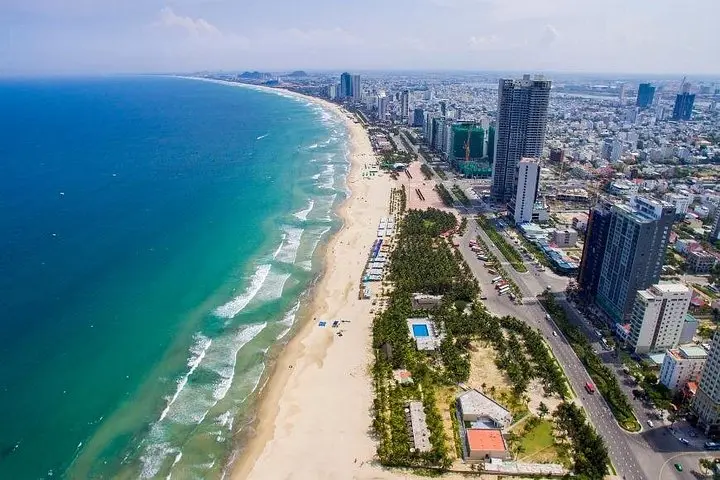
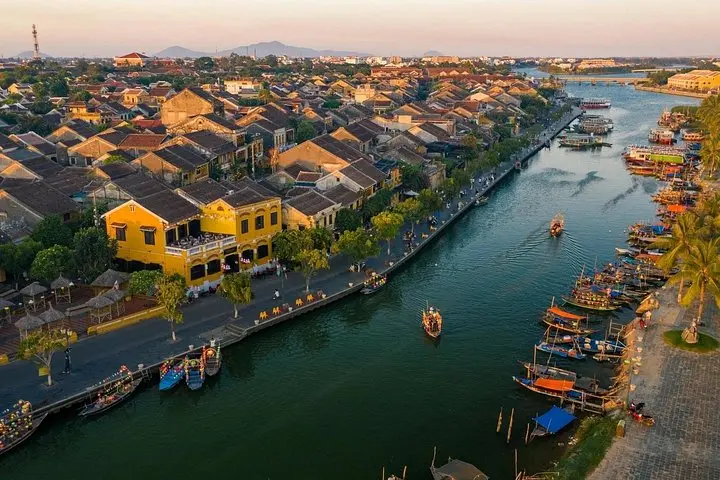
You arrive in Da Nang with the sea-scented air and a low ribbon of mountains rising inland; by afternoon you’re climbing in a cable car as fog unspools beneath the Golden Bridge’s stone hands. Hoi An’s lantern-lit streets hum with bicycles and silk merchants, while Hue’s citadel and tombs line the Perfume River, which seems to steer history along its current.
You arrive in Da Nang with the sea-scented air and a low ribbon of mountains rising inland; by afternoon you’re climbing in a cable car as fog unspools beneath the Golden Bridge’s stone hands. Hoi An’s lantern-lit streets hum with bicycles and silk merchants, while Hue’s citadel and tombs line the Perfume River, which seems to steer history along its current.
Central Vietnam sits where the Annamite Range meets the South China Sea—rocky passes, wide coastal plains and weathered limestone shaping routes used for centuries. Cham artisans once traded here; later the Nguyen emperors built Hue as a ceremonial capital, leaving tombs and pagodas that frame Vietnam’s imperial past. Hoi An’s port culture fused Chinese, Japanese and European influences into its architecture and cuisine.
This three-day loop pairs high-elevation spectacle at Ba Na Hills (cable car access and a pedestrian Golden Bridge) with lowland cultural immersion: a walking tour in Hoi An, a scenic drive over the Hai Van Pass, and Hue’s Imperial Citadel with a dragon-boat ride on the Perfume River.
Expect mostly easy walking with stairs at temples and uneven cobbles in old towns. Weather shifts quickly—sun can be intense; late-afternoon rain is common in monsoon months. Practical tips: start outdoor excursions early to avoid crowds and heat, bring a light rain layer, and carry local currency for small purchases. The trip is sightseeing-focused rather than strenuous, but good walking shoes, sun protection, and a daypack will keep your days comfortable as you move between mountain mist, river slow-motion, and riverside lantern light.