THE ADVENTURE COLLECTIVE® · Independent discovery and booking for outdoor travel

A full‑day guided loop through Central Zagori that pairs dramatic Vikos Gorge viewpoints with centuries‑old stone bridges, traditional villages, and the Vradeto stone steps. Practical for travelers who want culture, geology, and short hikes in one accessible package.
A full‑day guided loop through Central Zagori that pairs dramatic Vikos Gorge viewpoints with centuries‑old stone bridges, traditional villages, and the Vradeto stone steps. Practical for travelers who want culture, geology, and short hikes in one accessible package.
You step out of an air-conditioned van onto a slate‑stone square and the mountain air seems to pull at your shoulders like a patient guide. Streams dare you closer as they thread under single‑arch bridges; a cliff‑side monastery watches over the gorge with painted icons weathered by wind and time.
Verified experiences and guided adventures in the surrounding area.
Operated by Epirus Traveller · Ioannina, Epirus
You step out of an air-conditioned van onto a slate‑stone square and the mountain air seems to pull at your shoulders like a patient guide. Streams dare you closer as they thread under single‑arch bridges; a cliff‑side monastery watches over the gorge with painted icons weathered by wind and time.
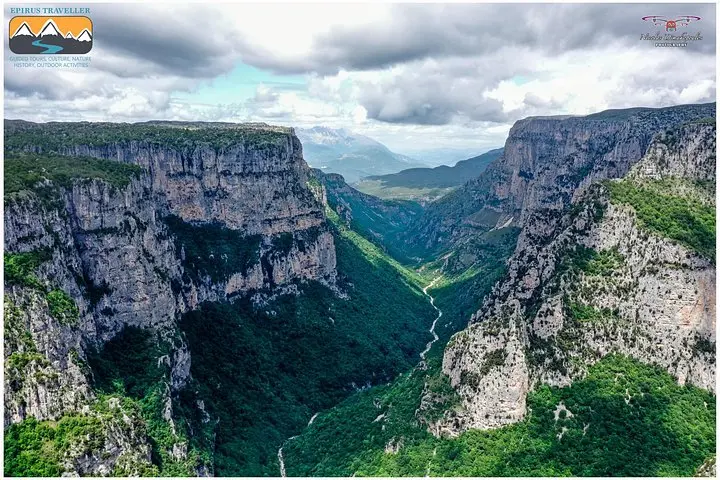
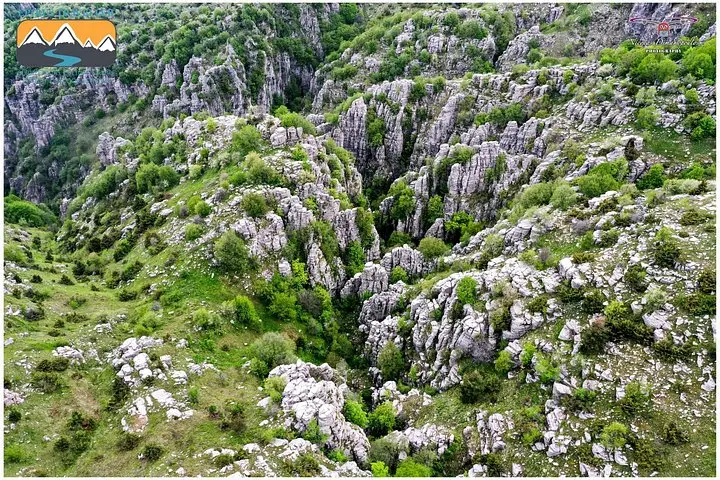
This full‑day route threads the cultural veins of Central Zagori: Ottoman‑era stone bridges (some built in the 18th and early 19th centuries), compact stone villages like Koukouli and Kipoi, and the Vradeto Steps — roughly 1,350 carved stones and about 25 hairpin turns that once were the only link between hamlets. Geologically, the Vikos Gorge is a limestone and schist incision cut deep by water and time, its walls plunging toward a river that pushes and polishes rock into sheer faces and narrow chasms.
Local life still centers on shared recipes — giant beans, Zagorian pies, slow‑roasted lamb — and small craft schools preserve weaving and woodwork. Expect short guided walks, viewpoint stops, and a chance to see traditional looms and chapel frescoes.
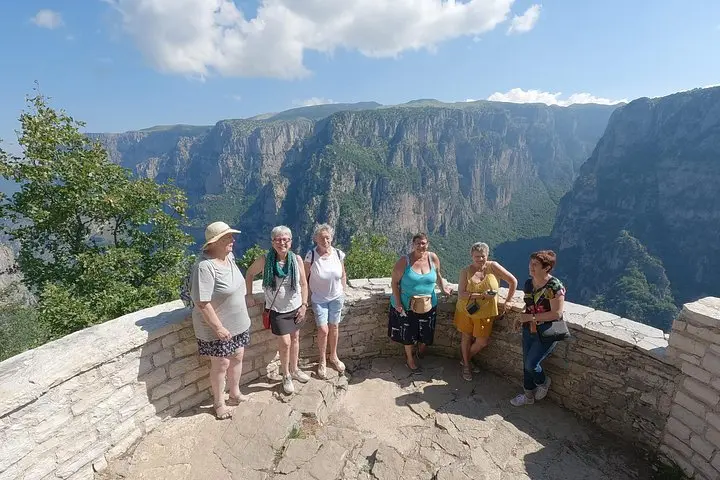
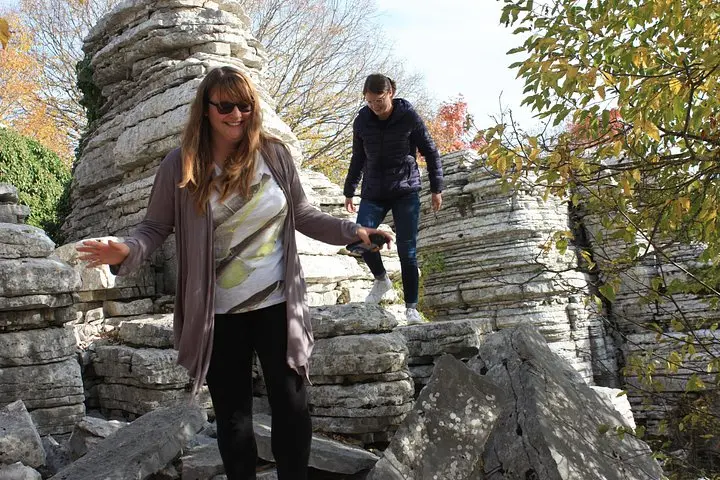
Practical edge: the day runs 6–10 hours with vehicle transfers between points; bottled water and photo/video are included. Wear grippy footwear for stone steps and bridges, carry layers for sudden mountain winds, and bring a camera with a wide lens for gorge panoramas. Start early to catch softer light at viewpoints and leave time to enjoy a village taverna. Respect narrow paths and private yards — Zagori’s villages are lived‑in places, not museum displays.
Expect several short walks of 15–60 minutes at stops and up to a longer 60‑minute village walk; the Vradeto Steps are a steeper optional section.
Bottled water is included and the itinerary usually includes a stop at a local tavern to sample regional dishes—confirm specifics with the operator at booking.
The tour notes stroller accessibility for short transfers, but stone steps and narrow village lanes make some sections unsuitable for strollers—plan to carry infants on stairs.
Yes—small village shops, craft sellers, and tavernas often prefer cash for purchases and tips.
Epirus Traveller operates guided outdoor trips and adventures with an emphasis on safety, stewardship, and memorable experiences.
You step out of an air-conditioned van onto a slate‑stone square and the mountain air seems to pull at your shoulders like a patient guide. Streams dare you closer as they thread under single‑arch bridges; a cliff‑side monastery watches over the gorge with painted icons weathered by wind and time.
You step out of an air-conditioned van onto a slate‑stone square and the mountain air seems to pull at your shoulders like a patient guide. Streams dare you closer as they thread under single‑arch bridges; a cliff‑side monastery watches over the gorge with painted icons weathered by wind and time.
This full‑day route threads the cultural veins of Central Zagori: Ottoman‑era stone bridges (some built in the 18th and early 19th centuries), compact stone villages like Koukouli and Kipoi, and the Vradeto Steps — roughly 1,350 carved stones and about 25 hairpin turns that once were the only link between hamlets. Geologically, the Vikos Gorge is a limestone and schist incision cut deep by water and time, its walls plunging toward a river that pushes and polishes rock into sheer faces and narrow chasms.
Local life still centers on shared recipes — giant beans, Zagorian pies, slow‑roasted lamb — and small craft schools preserve weaving and woodwork. Expect short guided walks, viewpoint stops, and a chance to see traditional looms and chapel frescoes.
Practical edge: the day runs 6–10 hours with vehicle transfers between points; bottled water and photo/video are included. Wear grippy footwear for stone steps and bridges, carry layers for sudden mountain winds, and bring a camera with a wide lens for gorge panoramas. Start early to catch softer light at viewpoints and leave time to enjoy a village taverna. Respect narrow paths and private yards — Zagori’s villages are lived‑in places, not museum displays.