THE ADVENTURE COLLECTIVE® · Independent discovery and booking for outdoor travel

Join a guided ascent to Cerro de la Estrella to stand where the Aztecs performed the New Fire Ceremony, paired with a local breakfast and a neighborhood metro ride. This half-day tour combines archaeology, skyline views, and authentic Mexican food.
Join a guided ascent to Cerro de la Estrella to stand where the Aztecs performed the New Fire Ceremony, paired with a local breakfast and a neighborhood metro ride. This half-day tour combines archaeology, skyline views, and authentic Mexican food.
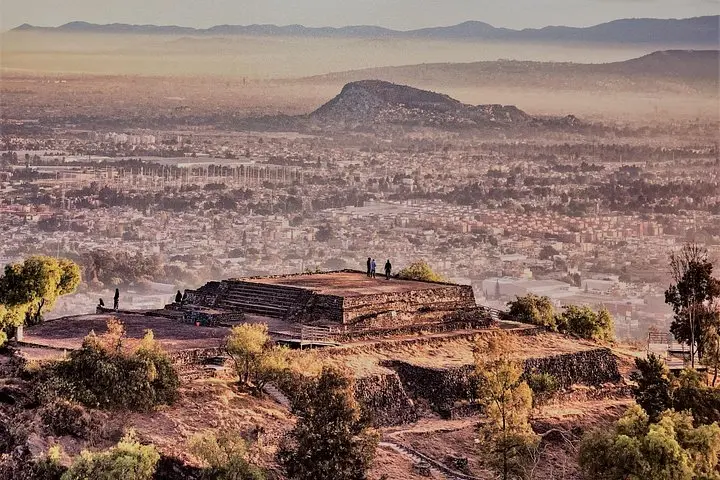
Morning light slices across the Mexico City valley as you step out at Palacio de Bellas Artes and move with a small group through the city’s pulse. The tour unfolds like a short pilgrimage: a full breakfast near Alameda, a metro ride that threads neighborhoods, then the slow upward walk to Cerro de la Estrella where the New Fire Pyramid crowns the hill.
Verified experiences and guided adventures in the surrounding area.
Operated by Casa Xilonen · Mexico City, Ciudad de México
Morning light slices across the Mexico City valley as you step out at Palacio de Bellas Artes and move with a small group through the city’s pulse. The tour unfolds like a short pilgrimage: a full breakfast near Alameda, a metro ride that threads neighborhoods, then the slow upward walk to Cerro de la Estrella where the New Fire Pyramid crowns the hill.
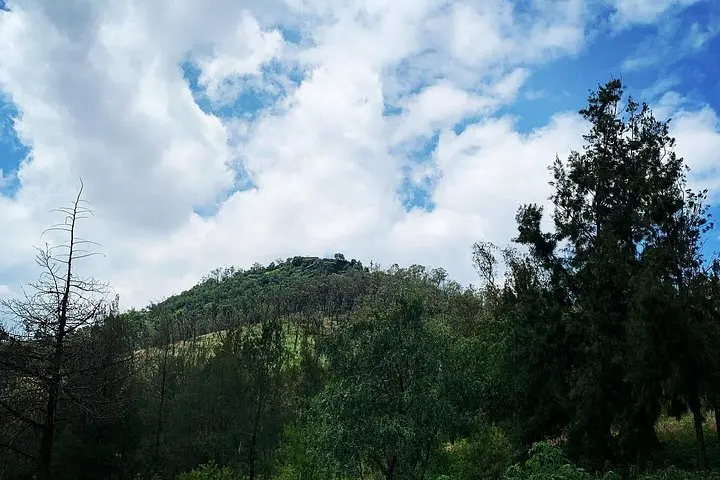
Cerro de la Estrella was a ritual focal point in pre-Hispanic times — the site of the Xiuhmolpilli, the New Fire Ceremony held every 52 years to renew the world’s cycle. Geologically, the hill is a volcanic outcrop rising above the lacustrine plain of the Basin of Mexico; from the summit you can read the city’s expansion in terraces, roads, and distant peaks.
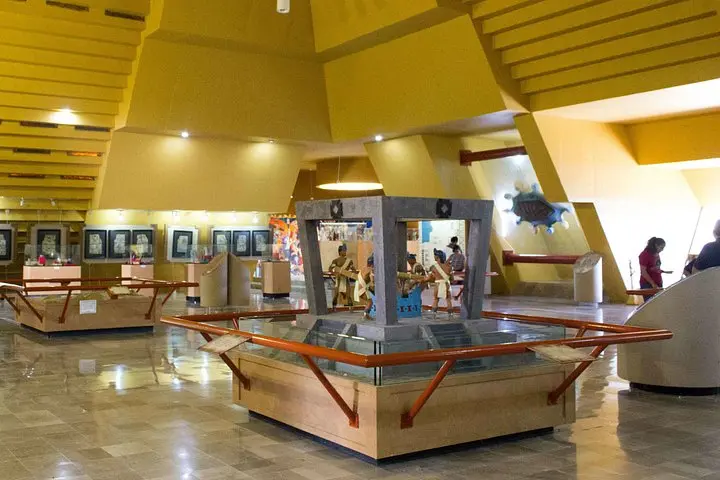
Culturally the place is less polished than the big museums, populated by local vendors, community murals, and an on-site museum that stages artifacts and interactive displays to make the ceremony tangible. The walk to the pyramid follows paved, moderately steep paths that demand steady footing but reward with broad, low-angle views.
Practical guidance: expect 60–90 minutes of uphill walking on paved trail; bring sun protection, a refillable bottle, and comfortable shoes. Public transport is included; the group size is small, and the museum portion offers seated interpretation if you need it. The experience pairs archaeology with neighborhood life and food — a compact day that connects Mexico City’s living culture to an ancient civic rite.
The meeting point is Palacio de Bellas Artes in central Mexico City; the tour returns to the same area at the end.
The path is paved but involves sustained uphill walking of about 60–90 minutes; visitors with mobility issues may opt to join only the museum portion.
Yes — a full authentic Mexican breakfast and snacks are included, and the guide explains each dish’s traditions.
Public transport (metro) is included in the tour; expect a 30–40 minute metro ride from central areas to the Cerro de la Estrella station.
Casa Xilonen operates guided outdoor trips and adventures with an emphasis on safety, stewardship, and memorable experiences.

Morning light slices across the Mexico City valley as you step out at Palacio de Bellas Artes and move with a small group through the city’s pulse. The tour unfolds like a short pilgrimage: a full breakfast near Alameda, a metro ride that threads neighborhoods, then the slow upward walk to Cerro de la Estrella where the New Fire Pyramid crowns the hill.
Morning light slices across the Mexico City valley as you step out at Palacio de Bellas Artes and move with a small group through the city’s pulse. The tour unfolds like a short pilgrimage: a full breakfast near Alameda, a metro ride that threads neighborhoods, then the slow upward walk to Cerro de la Estrella where the New Fire Pyramid crowns the hill.
Cerro de la Estrella was a ritual focal point in pre-Hispanic times — the site of the Xiuhmolpilli, the New Fire Ceremony held every 52 years to renew the world’s cycle. Geologically, the hill is a volcanic outcrop rising above the lacustrine plain of the Basin of Mexico; from the summit you can read the city’s expansion in terraces, roads, and distant peaks.
Culturally the place is less polished than the big museums, populated by local vendors, community murals, and an on-site museum that stages artifacts and interactive displays to make the ceremony tangible. The walk to the pyramid follows paved, moderately steep paths that demand steady footing but reward with broad, low-angle views.
Practical guidance: expect 60–90 minutes of uphill walking on paved trail; bring sun protection, a refillable bottle, and comfortable shoes. Public transport is included; the group size is small, and the museum portion offers seated interpretation if you need it. The experience pairs archaeology with neighborhood life and food — a compact day that connects Mexico City’s living culture to an ancient civic rite.