THE ADVENTURE COLLECTIVE® · Independent discovery and booking for outdoor travel

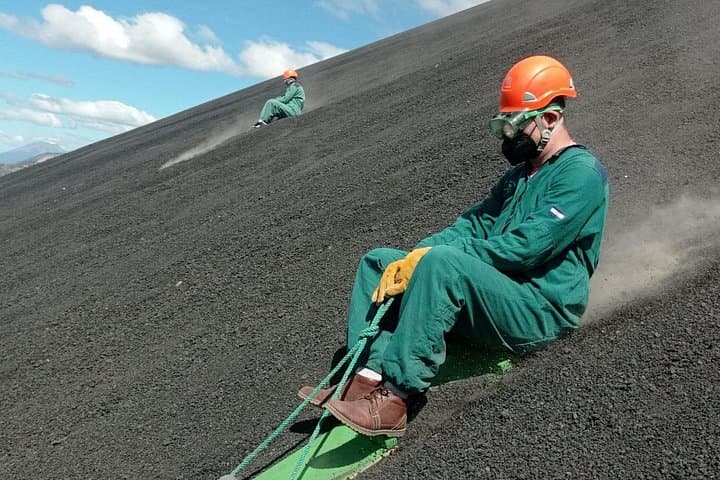
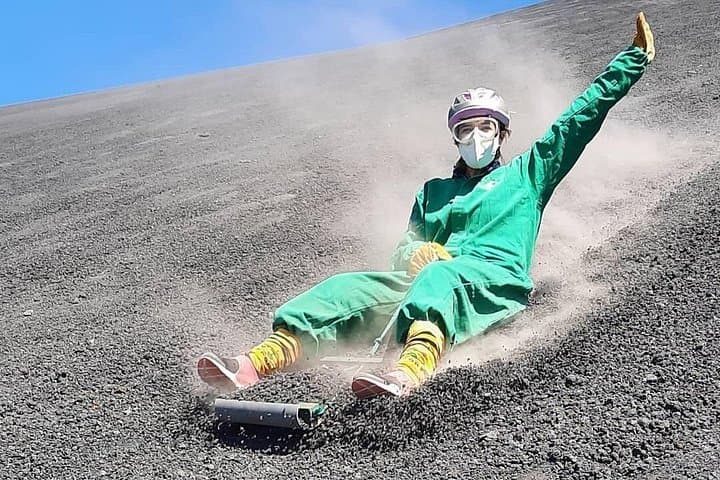
Launch from the rim of Cerro Negro and slide down black volcanic ash at speed. This accessible, short adventure combines a steep hike, local culture, and a five-minute high-adrenaline descent back to the base.
Launch from the rim of Cerro Negro and slide down black volcanic ash at speed. This accessible, short adventure combines a steep hike, local culture, and a five-minute high-adrenaline descent back to the base.
The black flank of Cerro Negro leans away beneath your boots, a raw slope of volcanic ash and cinder that seems to want you to let go. Wind cuts across the crater rim; the air smells of iron and dust. A 50-minute transfer from León moves you through tobacco fields and rural homesteads until sandy roads give way to the volcano’s base at roughly 300 meters.
Verified experiences and guided adventures in the surrounding area.
Operated by Fun ''N'' Sun Travels · León, León
The black flank of Cerro Negro leans away beneath your boots, a raw slope of volcanic ash and cinder that seems to want you to let go. Wind cuts across the crater rim; the air smells of iron and dust. A 50-minute transfer from León moves you through tobacco fields and rural homesteads until sandy roads give way to the volcano’s base at roughly 300 meters.
Cerro Negro is the youngest volcano in Nicaragua, born in the mid-19th century and known for frequent, relatively small eruptions that pile fresh cinder into steep slopes. Geologically the ride is simple: loose basaltic ash over compacted cinder creates a slick surface that allows boards to pick up surprising speed. The surrounding countryside is agricultural, and local guides and porters are part of the economy—expect friendly, practical interaction rather than tourism polish.
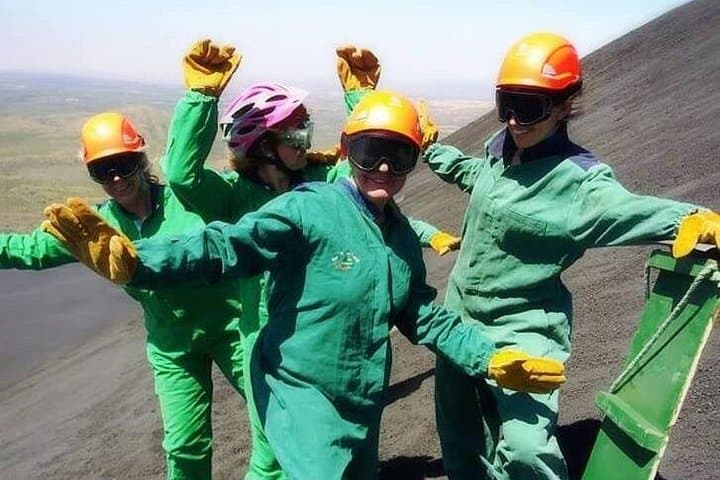
Practically, the tour includes a short but steep hour-long hike from base to rim (top ≈726 m). Guides or porters can carry boards for a small fee; descents take about five minutes but require attention to balance and posture. Bring long pants, closed-toe shoes, eye protection, and enough water; sunscreen and a hat matter more than you’d think under reflected ash.
This experience is quick, intense, and accessible for most fit travelers, but it’s not for those with spinal, heart, or pregnancy restrictions. Weather and ash conditions control safety—operators cancel in rain or high winds. When done right, volcano boarding is a compact, high-adrenaline way to read a living landscape from top to bottom.
From the base at ~300 m the hike is typically about one hour on a steep, rocky trail with roughly 400–450 m of elevation gain.
No advanced skills required—guides give basic instruction—but good balance and willingness to follow safety briefing are important.
Operators supply boards and basic protective gear; confirm goggles and gloves availability and bring your own if you prefer a precise fit.
The dry season (roughly December–April) offers firm ash and clearer weather; rainy months make slopes slippery and tours may be canceled.
Fun ''N'' Sun Travels operates guided outdoor trips and adventures with an emphasis on safety, stewardship, and memorable experiences.
The black flank of Cerro Negro leans away beneath your boots, a raw slope of volcanic ash and cinder that seems to want you to let go. Wind cuts across the crater rim; the air smells of iron and dust. A 50-minute transfer from León moves you through tobacco fields and rural homesteads until sandy roads give way to the volcano’s base at roughly 300 meters.
The black flank of Cerro Negro leans away beneath your boots, a raw slope of volcanic ash and cinder that seems to want you to let go. Wind cuts across the crater rim; the air smells of iron and dust. A 50-minute transfer from León moves you through tobacco fields and rural homesteads until sandy roads give way to the volcano’s base at roughly 300 meters.
Cerro Negro is the youngest volcano in Nicaragua, born in the mid-19th century and known for frequent, relatively small eruptions that pile fresh cinder into steep slopes. Geologically the ride is simple: loose basaltic ash over compacted cinder creates a slick surface that allows boards to pick up surprising speed. The surrounding countryside is agricultural, and local guides and porters are part of the economy—expect friendly, practical interaction rather than tourism polish.
Practically, the tour includes a short but steep hour-long hike from base to rim (top ≈726 m). Guides or porters can carry boards for a small fee; descents take about five minutes but require attention to balance and posture. Bring long pants, closed-toe shoes, eye protection, and enough water; sunscreen and a hat matter more than you’d think under reflected ash.
This experience is quick, intense, and accessible for most fit travelers, but it’s not for those with spinal, heart, or pregnancy restrictions. Weather and ash conditions control safety—operators cancel in rain or high winds. When done right, volcano boarding is a compact, high-adrenaline way to read a living landscape from top to bottom.