THE ADVENTURE COLLECTIVE® · Independent discovery and booking for outdoor travel

Short, steep and rich with wildlife, the Cerro Tortuguero Trail reaches the Caribbean coast’s highest point in a 2–3 hour guided walk. Expect dense rainforest, coastal views, and expert local interpretation.
Short, steep and rich with wildlife, the Cerro Tortuguero Trail reaches the Caribbean coast’s highest point in a 2–3 hour guided walk. Expect dense rainforest, coastal views, and expert local interpretation.
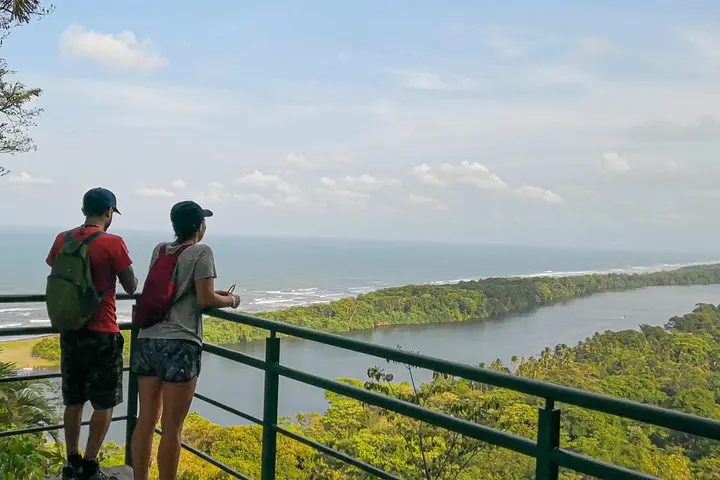
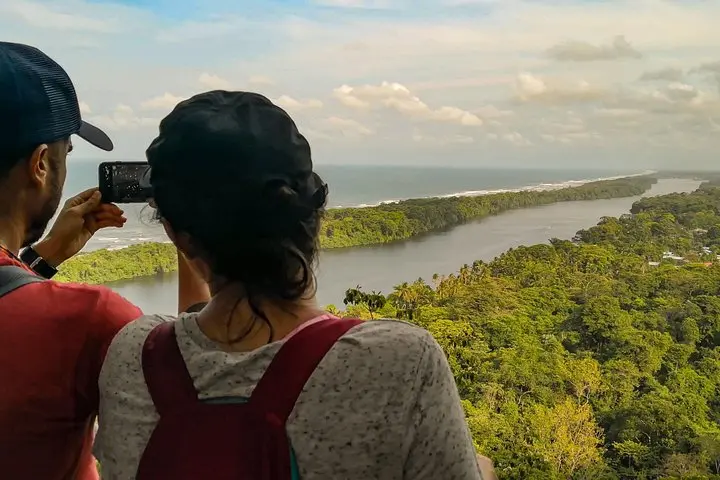
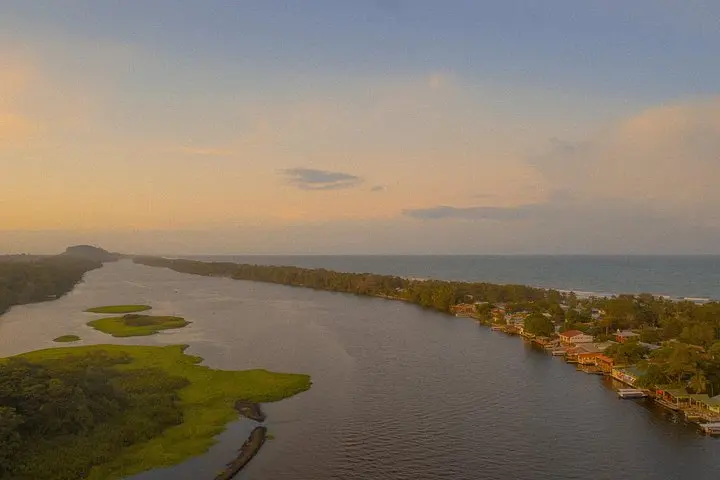
A ragged green ridge rises from the lowland mangroves and dares you to climb: Cerro Tortuguero’s short flank of rainforest rewards every step with changing light and sudden views of the Caribbean beyond.
Verified experiences and guided adventures in the surrounding area.
Operated by Tortuguero Adventures · Tortuguero, Limón
A ragged green ridge rises from the lowland mangroves and dares you to climb: Cerro Tortuguero’s short flank of rainforest rewards every step with changing light and sudden views of the Caribbean beyond.
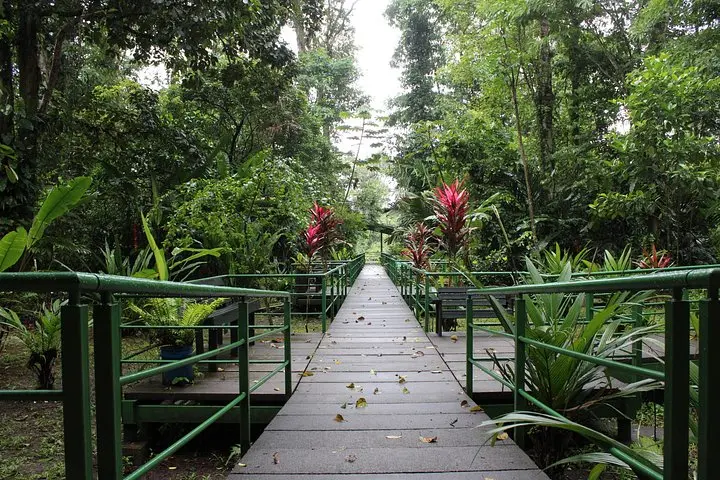
The trail follows clear, compacted steps and root-strewn switchbacks through secondary and primary forest. At roughly 390 feet (119 m) the summit is modest in elevation but dramatic in context — the highest point along this stretch of Costa Rica’s Caribbean coast. The outcrop is an ancient, inactive volcanic formation; geologic layers here speak to long-lived tropical weathering and river-cut plains below.
Local guides lead groups along a marked route, pausing to point out heliconia, strangler figs and epiphytes, and to pick out toucans, howler monkeys and the occasional sloth. Tortuguero village culture is tied to river and sea — fishing and turtle conservation shape daily life — and guides often share stories about seasonal nesting and the area’s Afro-Caribbean heritage.
Practically speaking, the trail is a 2–3 hour loop on a well-maintained path with modest elevation gain. Expect muddy sections during the rainy months and firm, shaded walking in the dry season. Bring a lightweight rain shell, closed-toe shoes with traction, 1–2 liters of water, and insect repellent. Guided groups are small and interpretive; binoculars and a camera are worth the extra weight.
Timing a morning walk avoids heat and mosquitoes; late afternoon light gives long views back over the coast. The experience is compact but immersive — a short hike that concentrates forest, geology and coastal panorama into a single, accessible outing.
The guided route is typically 2–3 hours round-trip with about 119 m (390 ft) of ascent; it’s classified easy with short steep stretches but no technical moves.
Guides may offer rubber boots if conditions are muddy, but guests should bring their own sturdy, closed-toe shoes and a rain jacket.
Yes — the trail is suitable for most ages and fitness levels, though those with mobility or serious back/heart conditions should avoid it.
Expect to see canopy birds like toucans, howler monkeys, tree frogs and possibly sloths; sightings depend on season and time of day.
Tortuguero Adventures operates guided outdoor trips and adventures with an emphasis on safety, stewardship, and memorable experiences.
A ragged green ridge rises from the lowland mangroves and dares you to climb: Cerro Tortuguero’s short flank of rainforest rewards every step with changing light and sudden views of the Caribbean beyond.
A ragged green ridge rises from the lowland mangroves and dares you to climb: Cerro Tortuguero’s short flank of rainforest rewards every step with changing light and sudden views of the Caribbean beyond.
The trail follows clear, compacted steps and root-strewn switchbacks through secondary and primary forest. At roughly 390 feet (119 m) the summit is modest in elevation but dramatic in context — the highest point along this stretch of Costa Rica’s Caribbean coast. The outcrop is an ancient, inactive volcanic formation; geologic layers here speak to long-lived tropical weathering and river-cut plains below.
Local guides lead groups along a marked route, pausing to point out heliconia, strangler figs and epiphytes, and to pick out toucans, howler monkeys and the occasional sloth. Tortuguero village culture is tied to river and sea — fishing and turtle conservation shape daily life — and guides often share stories about seasonal nesting and the area’s Afro-Caribbean heritage.
Practically speaking, the trail is a 2–3 hour loop on a well-maintained path with modest elevation gain. Expect muddy sections during the rainy months and firm, shaded walking in the dry season. Bring a lightweight rain shell, closed-toe shoes with traction, 1–2 liters of water, and insect repellent. Guided groups are small and interpretive; binoculars and a camera are worth the extra weight.
Timing a morning walk avoids heat and mosquitoes; late afternoon light gives long views back over the coast. The experience is compact but immersive — a short hike that concentrates forest, geology and coastal panorama into a single, accessible outing.